Approach
Penser la relation dedans-dehors
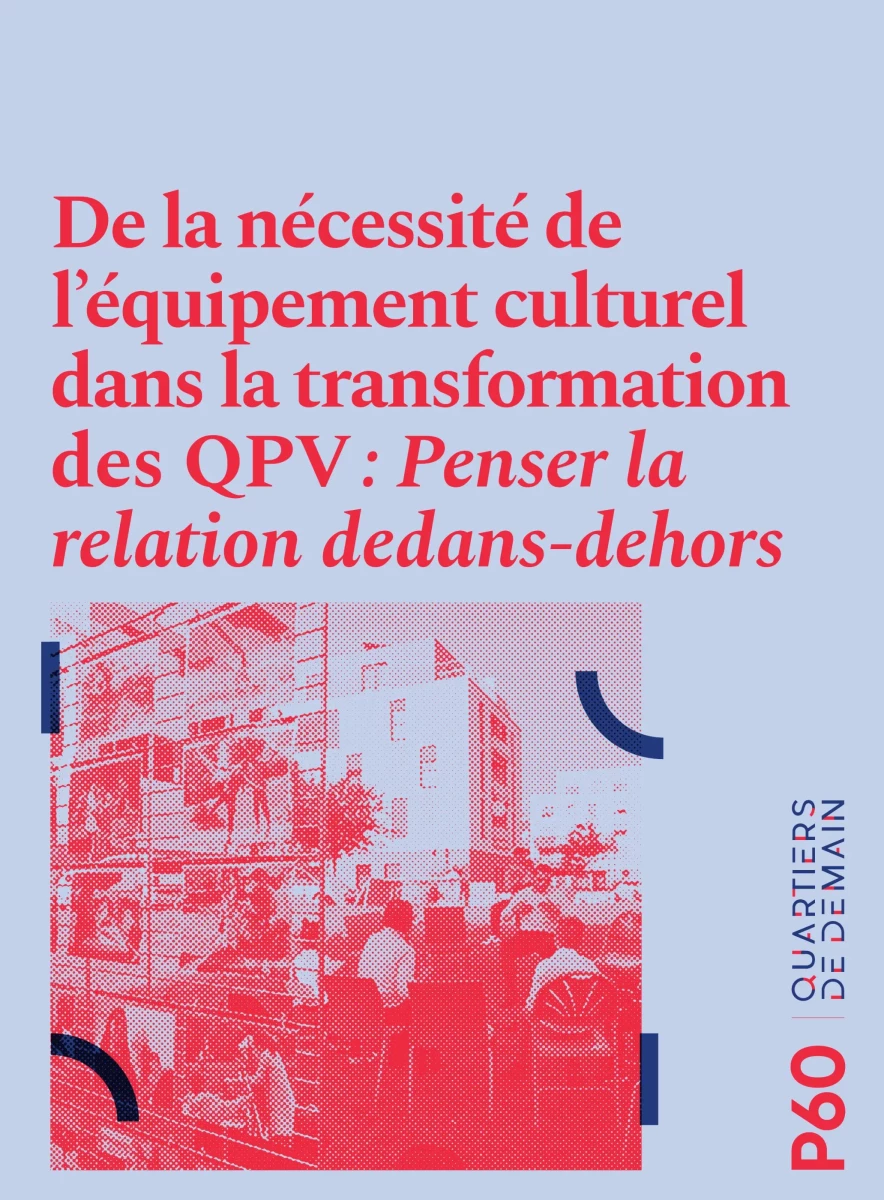
En 2025, l’agence dd.a a participé à la consultation internationale Quartiers de demain. Ce laboratoire inédit d’expérimentation et de prospective a ouvert des voies concrètes et singulières pour imaginer d’autres trajectoires urbaines. Dans ce cadre, deux « Perspectives » ont été rédigées, avec pour fil directeur la dialectique dedans–dehors.
Workshop
Office at Venice
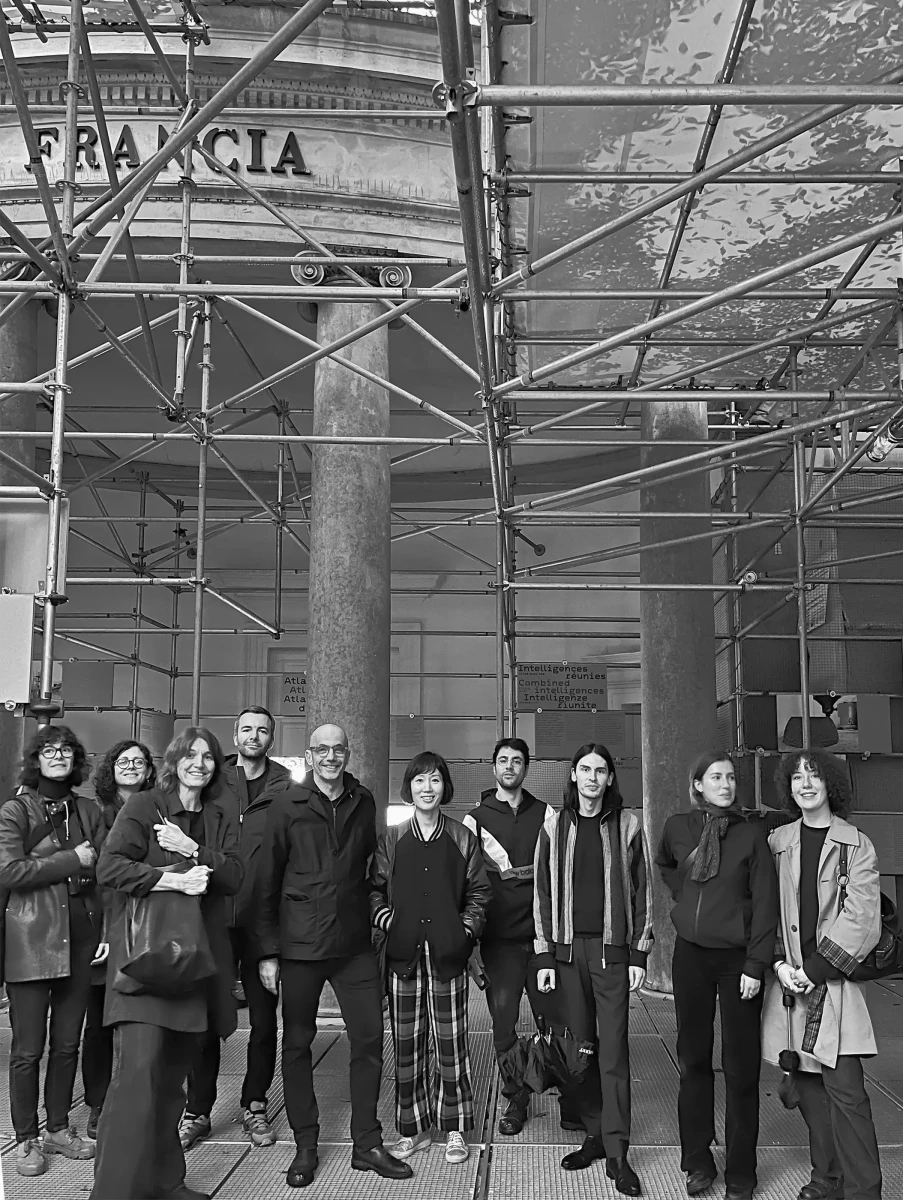
On the occasion of the agency’s annual seminar, the team traveled to the Venice Biennale in October 2025. This visit provided an opportunity for dialogue among colleagues around the themes explored by the Biennale—curated this year by architect and engineer Carlo Ratti —under the title Intelligens: natural. artificial. collective.
Approach
Nature
Thinking about the existing also means considering the system formed by building and void, by interior and exterior. The qualities of the inside depend on those of the outside, and vice versa: it is the connection between the rehabilitated site and its outdoor spaces, circulation paths, and thresholds that transforms it into a truly living place.
Teaching
Claudia Devaux joins the EPFL
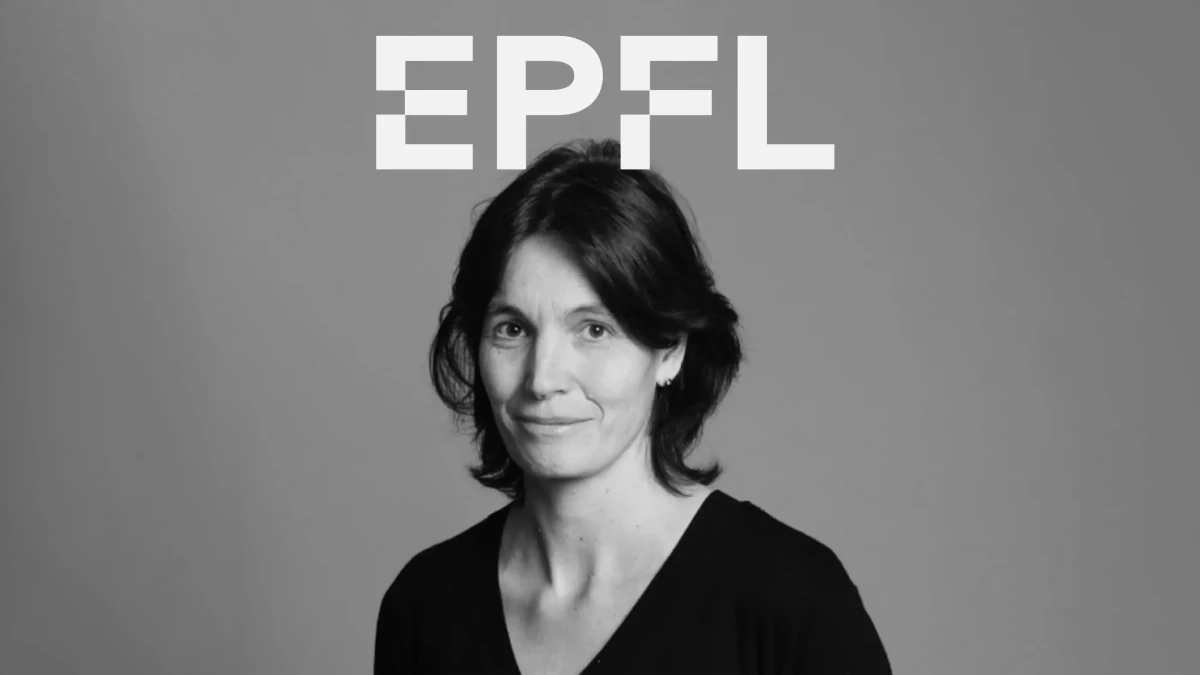
Claudia Devaux, heritage architect, has been appointed Professor of Practice at the École Polytechnique Fédérale de Lausanne (EPFL). She has been teaching within the School of Architecture, Civil and Environmental Engineering (ENAC) since spring 2025.
Approach
Dd.atlas
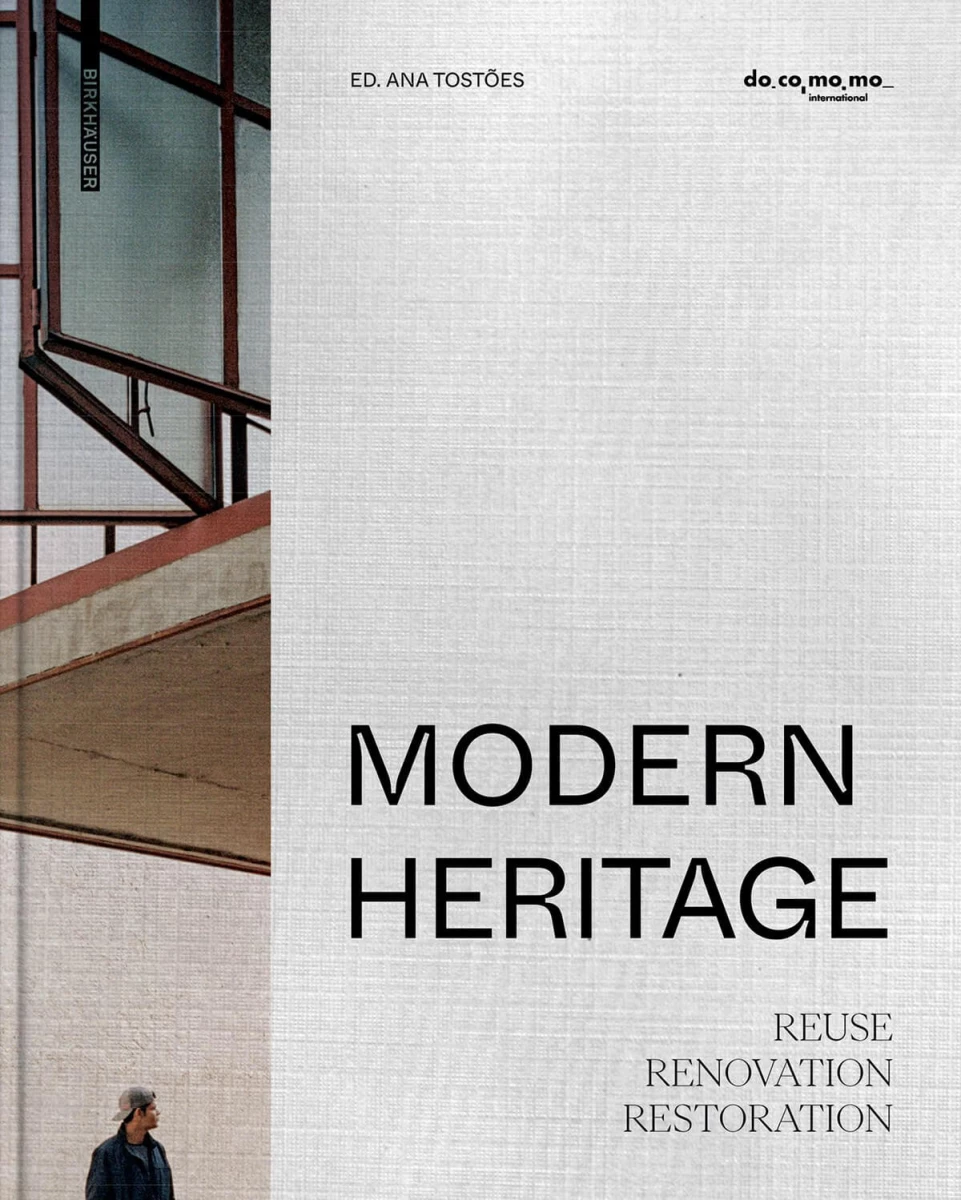
The agency’s practice is informed by key reference works — theoretical, inspiring, and thought-provoking. Through these books, often cited during workshops, architects, practitioners, theorists, and philosophers invite us to think differently.
Approach
Programming Beyond
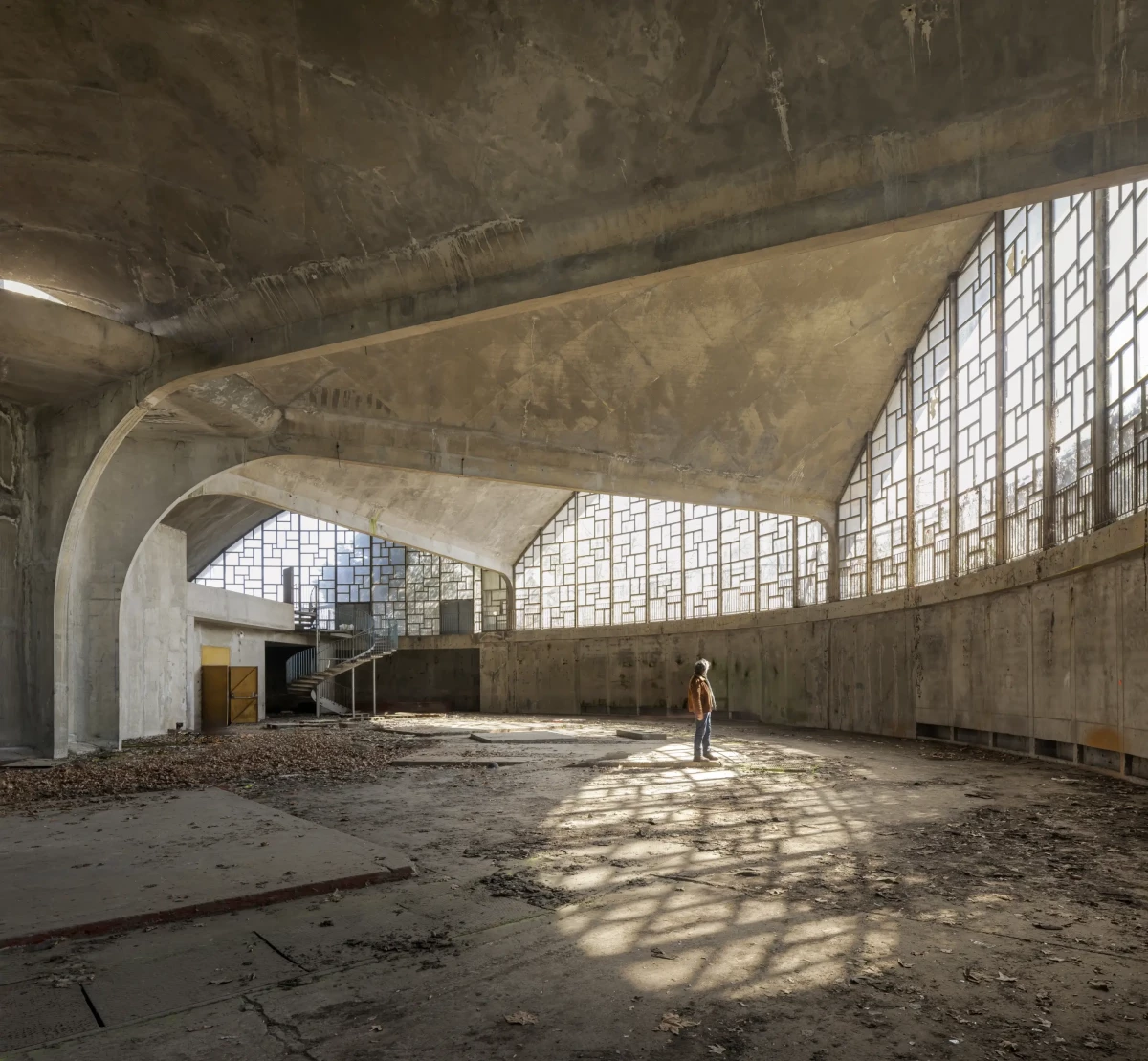
Our work is guided by an ethics of transformation: turning diagnosis into a driver for project and programme, and architecture into a platform for future—open and shared—uses. In a context where uses evolve rapidly, architectural programming can no longer be a simple functional plan; it becomes a tool for foresight and adaptability within an open logic—designing not to freeze, but to enable.
Workshop
Architect : what role?
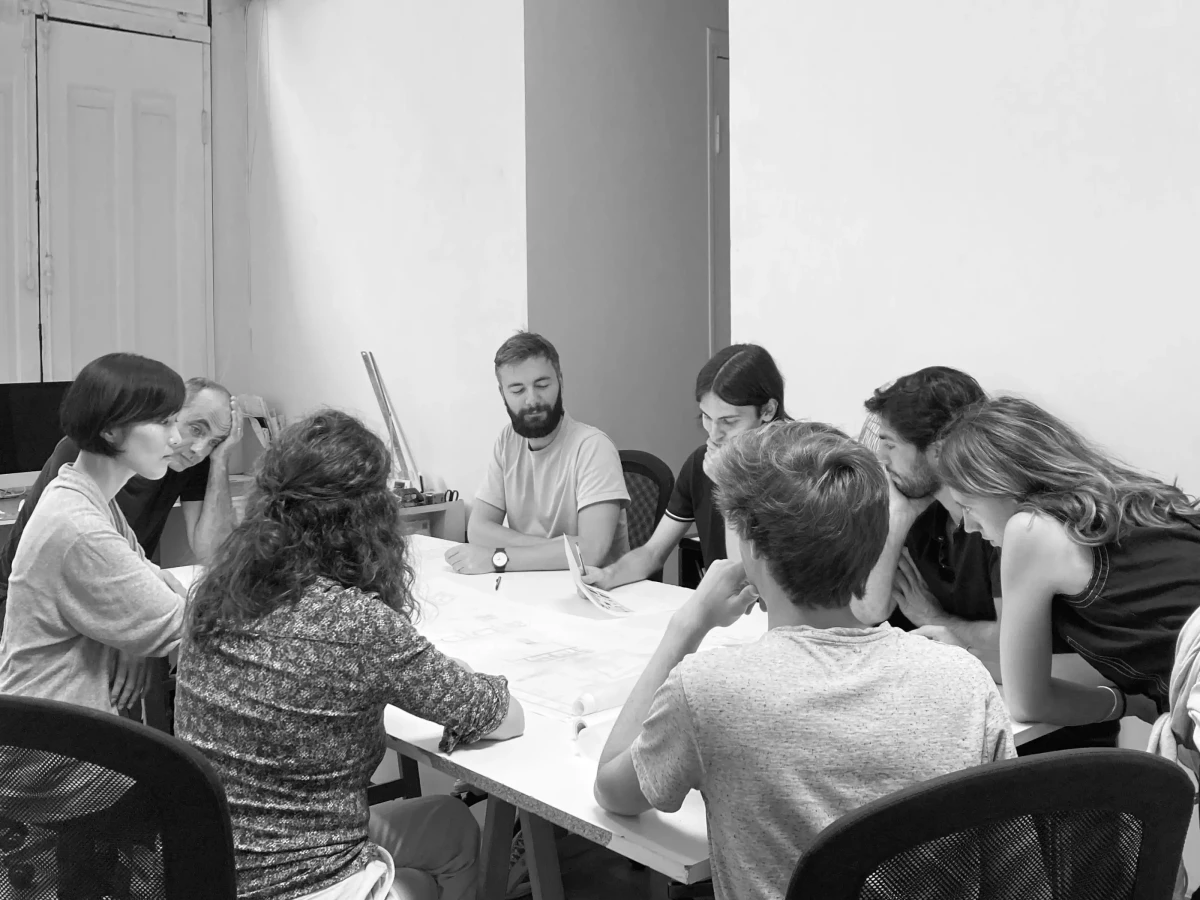
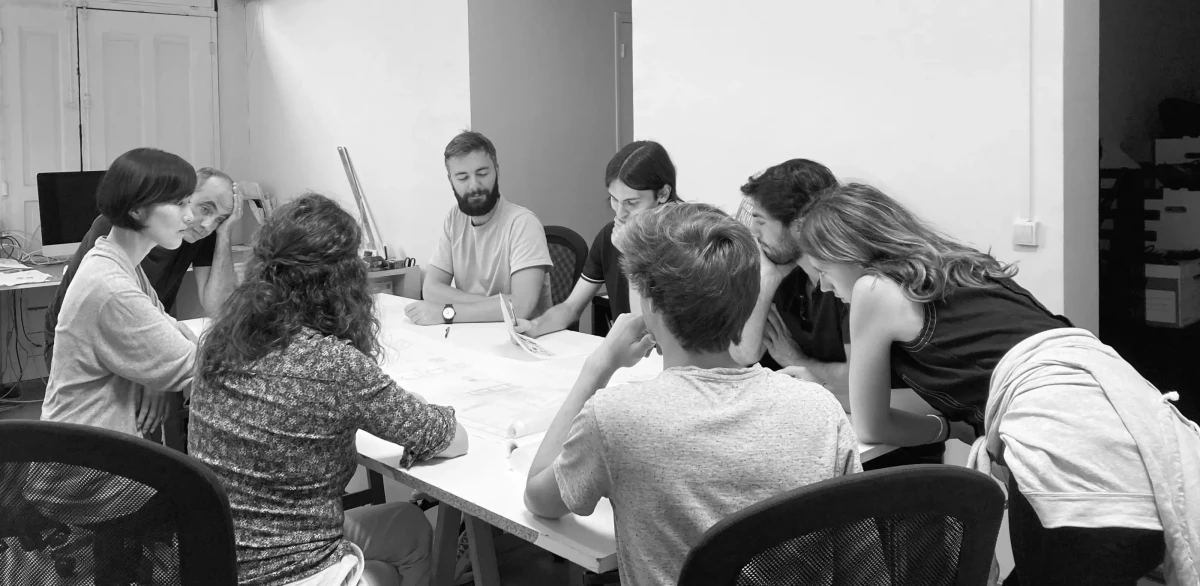
Since September 2022, twenty-five weekly workshops and two agency seminars have, over nine months, helped define the contours of dd.a’s approach for the future, informed by past and ongoing projects, external contributions, readings, presentations, exhibitions, conferences, and debates.
Workshop
Bringing needs to light
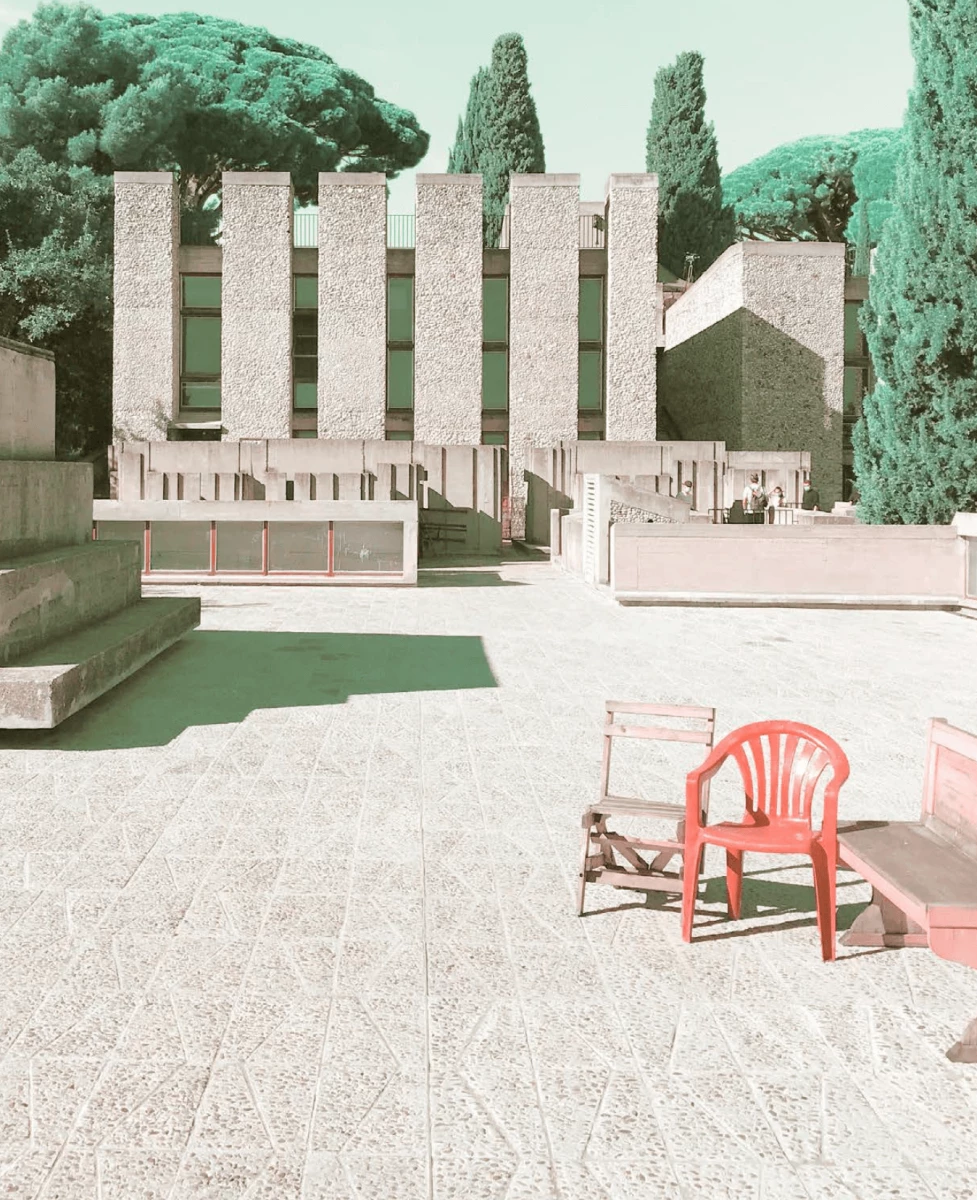
In 2023, dd.a was commissioned to carry out the heritage assessment and masterplan for the Villa Arson. For the agency’s 38th workshop, Caroline Couraud, Managing Director of le troisième pôle, a cultural engineering agency, spoke about the benefits of integrating her practice into the masterplan process. dd.a and le troisième pôle have had opportunities to work together, notably on the Kepler project in Nice.
Site
Natura 2000
Natura 2000 forms the extensive European network dedicated to biodiversity preservation. It brings together over 27K terrestrial and marine sites, selected for the richness of their habitats and species, listed under the “Birds” and “Habitats-Fauna-Flora” directives.
Approach
Culture in Communities
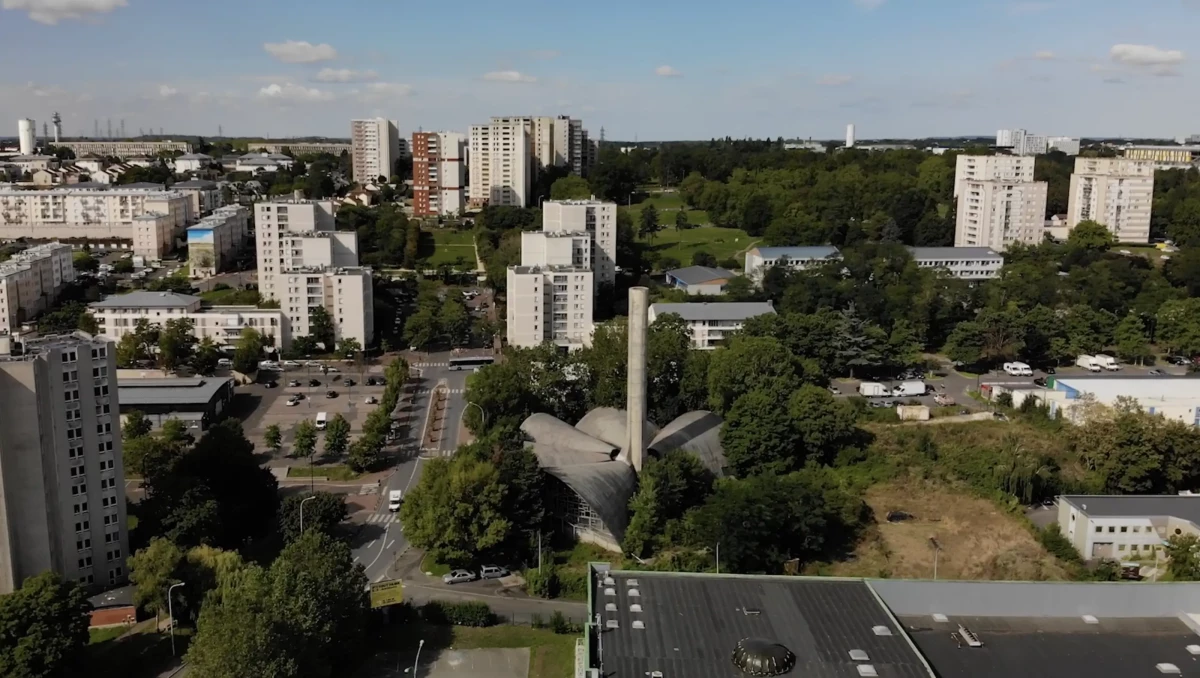
Our projects located in contexts specific to Priority Urban Policy Districts (QPV) have led us to conceive public facilities as powerful levers for transformation. We advocate for these spaces as essential social infrastructures, capable of profoundly reshaping neighborhoods and the lives of their inhabitants.
Workshop
Let’s shift to a li(v)able world
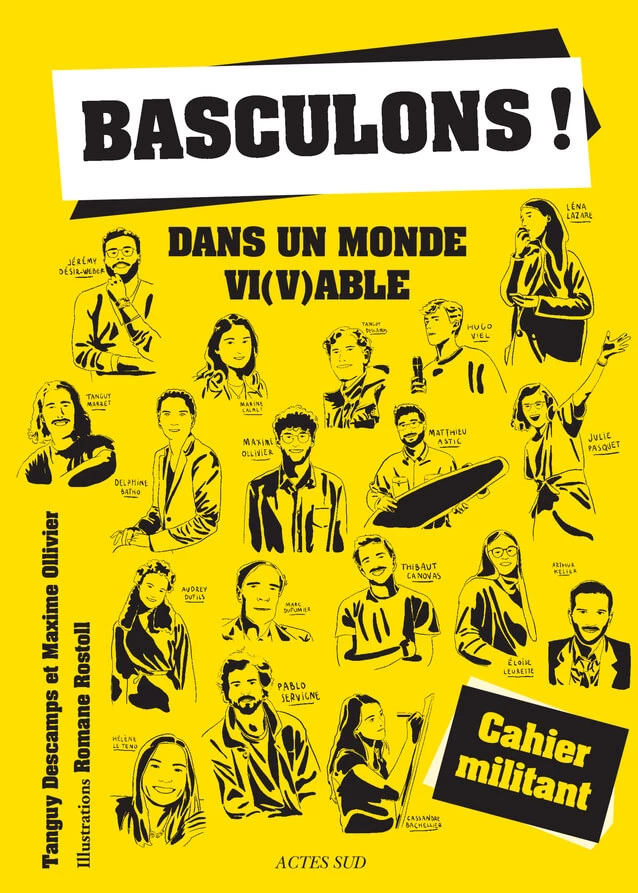
The twenty-sixth workshop focused on Tanguy Descamps’ approach to ecological commitment, through the study of his book Basculons ! Dans un monde vi(v)able. Exploring this work provided valuable input to strengthen the agency team’s own engagement and to continue sketching, collectively, the pathways towards ensuring a liveable world.
Workshop
The Otium
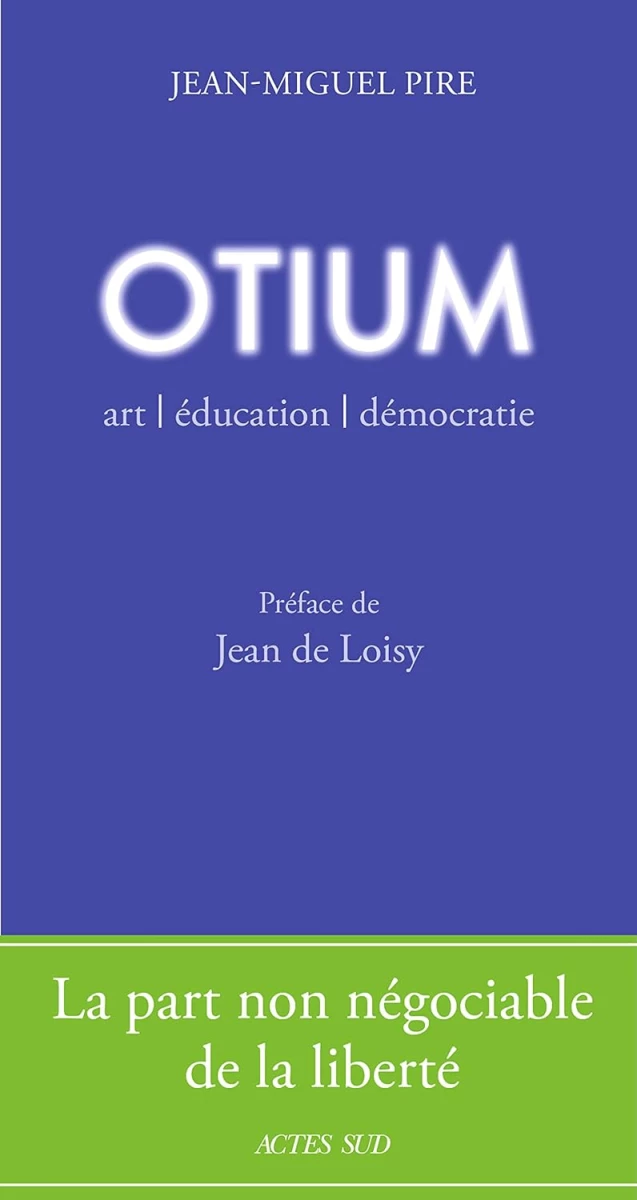
For the agency’s twentieth workshop, the sociologist and historian Jean-Miguel Pire spoke about the notion of free time, fruitful time, otium. Through the concept of otium, the specialist sought to explore and reconsider the choices made in restoration approaches — choices often reduced to technical considerations — by reframing them through a philosophical perspective.
Approach
Transform, transform, transform
Our practice of rehabilitation prompts us to rethink our methods of intervention on the built environment. Our approach builds on methodologies developed for historic monuments while extending them to ordinary heritage, which makes up the vast majority of our building stock and forms the everyday living environment of the population.
Teaching
Architecture située
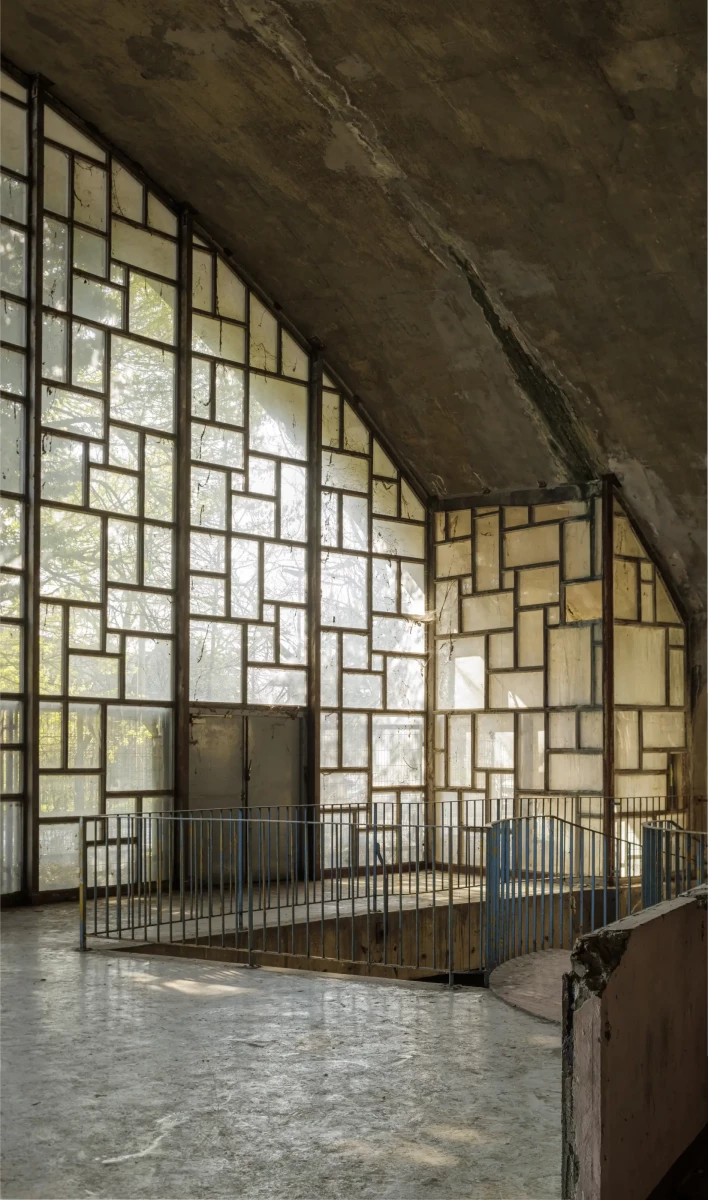
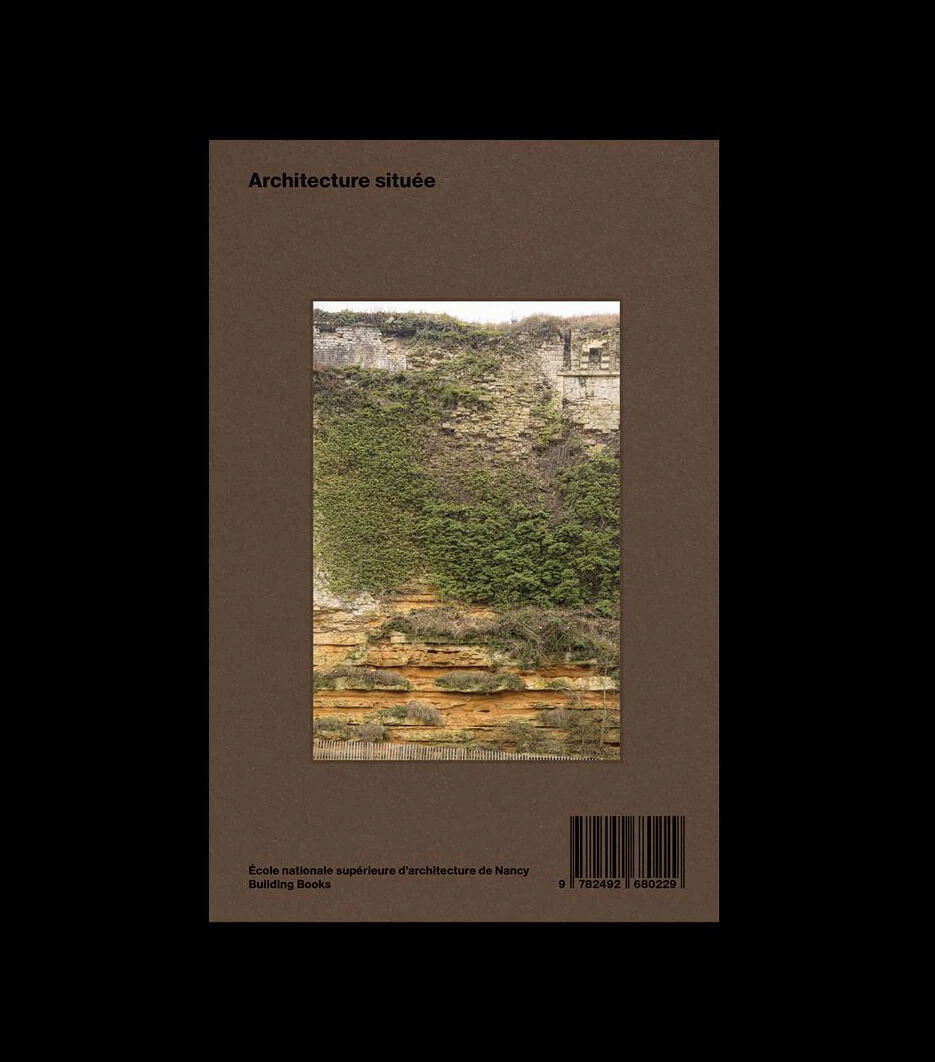
Twenty years after the creation of Architecture and Heritage Week, dedicated to contemporary architectural work within existing structures, the ambition of the book is to take stock of these experiences and to offer a broader, forward-looking vision of the many issues surrounding heritage and its teaching. These questions are explored through interviews with seven patron architects committed to a situated approach to architecture. Claudia Devaux, the 2021 patron, contributed to the publication.
Site
Twentieth-Century Heritage
Launched by the Ministry of Culture and Communication in 1999, the “20th Century Heritage” label identifies and highlights to the public protected sites whose architectural and urban significance warrants their preservation for future generations as integral elements of 20th-century heritage.
Workshop
dd.a extramuros
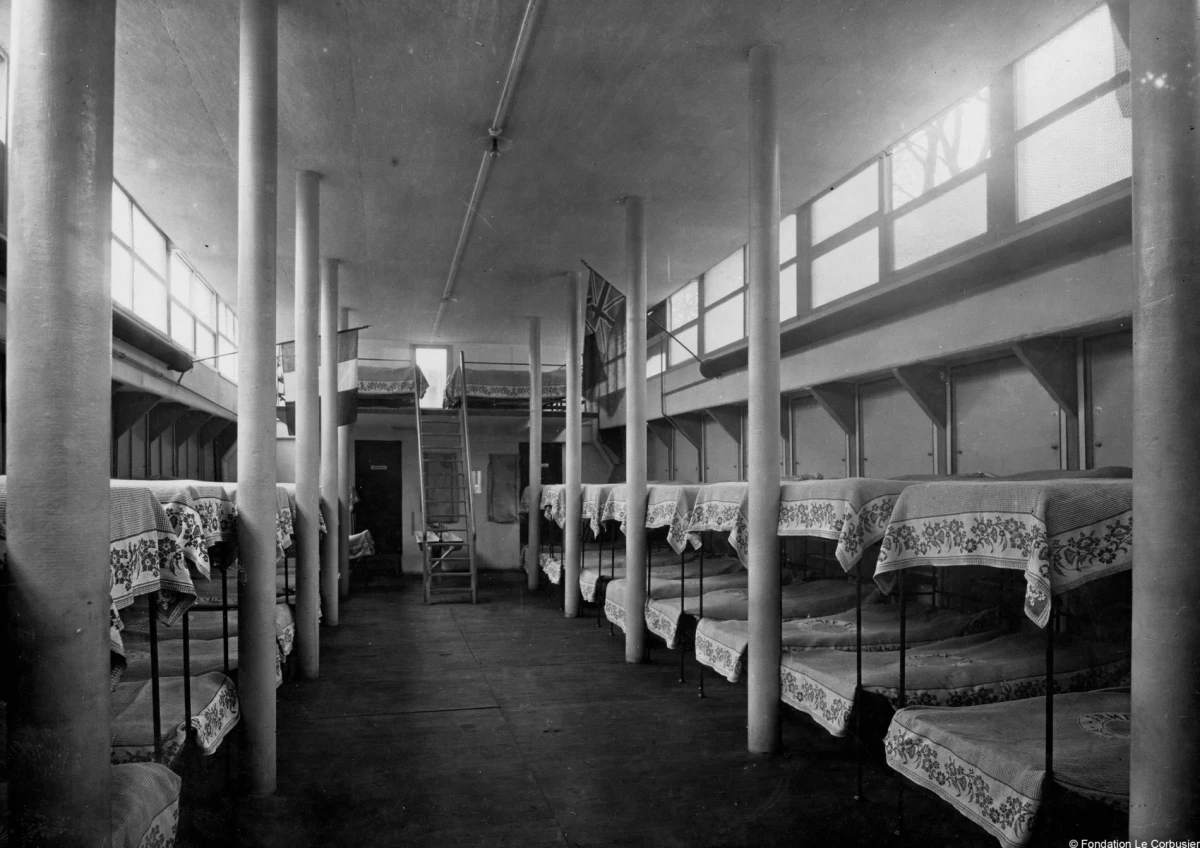
Annual checkpoints following the collective reflections developed through weekly workshop series, the study trips help foster new practices, explore additional fields of experimentation, and—most importantly—share a collective ambition.
Site
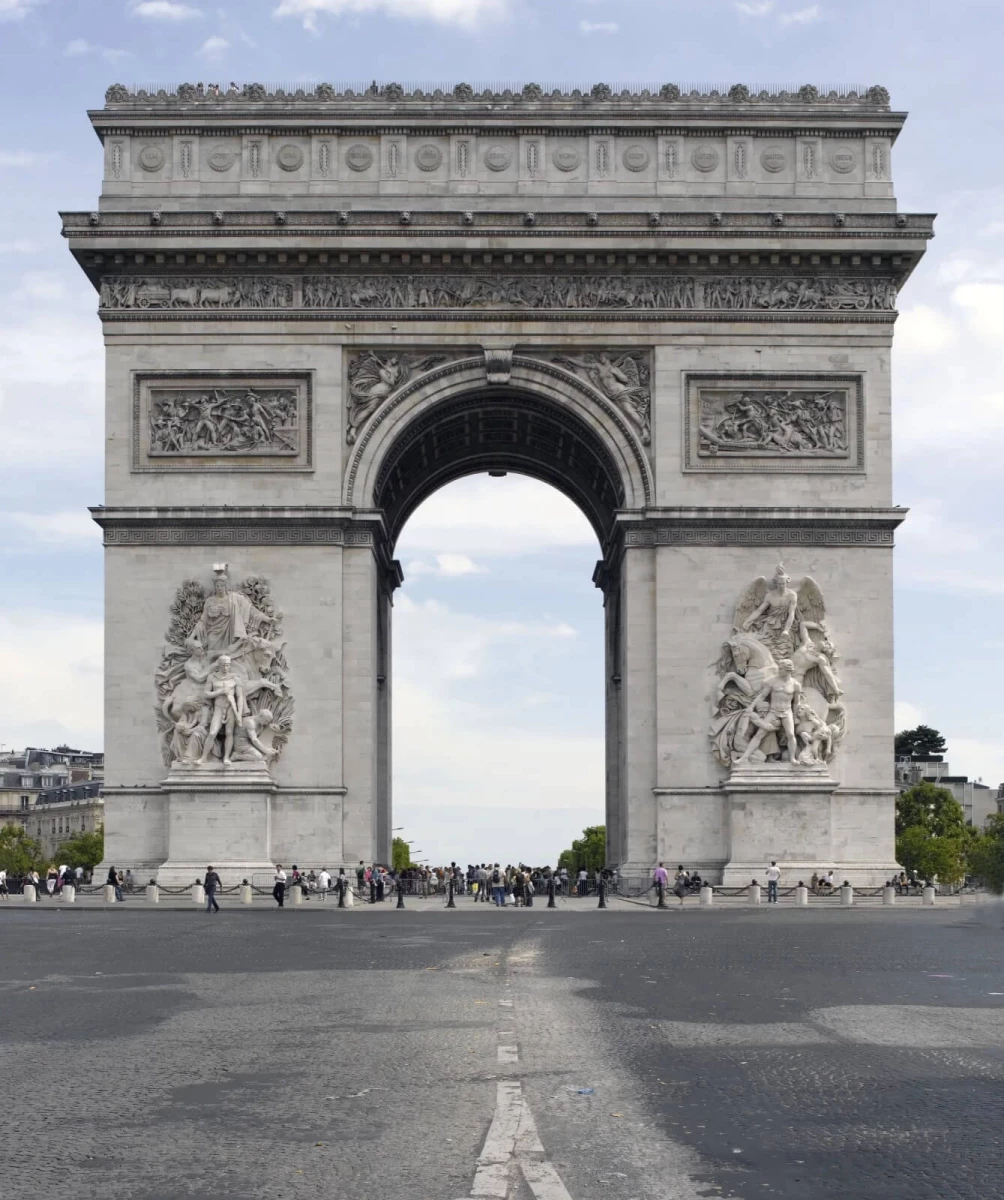
National Monuments
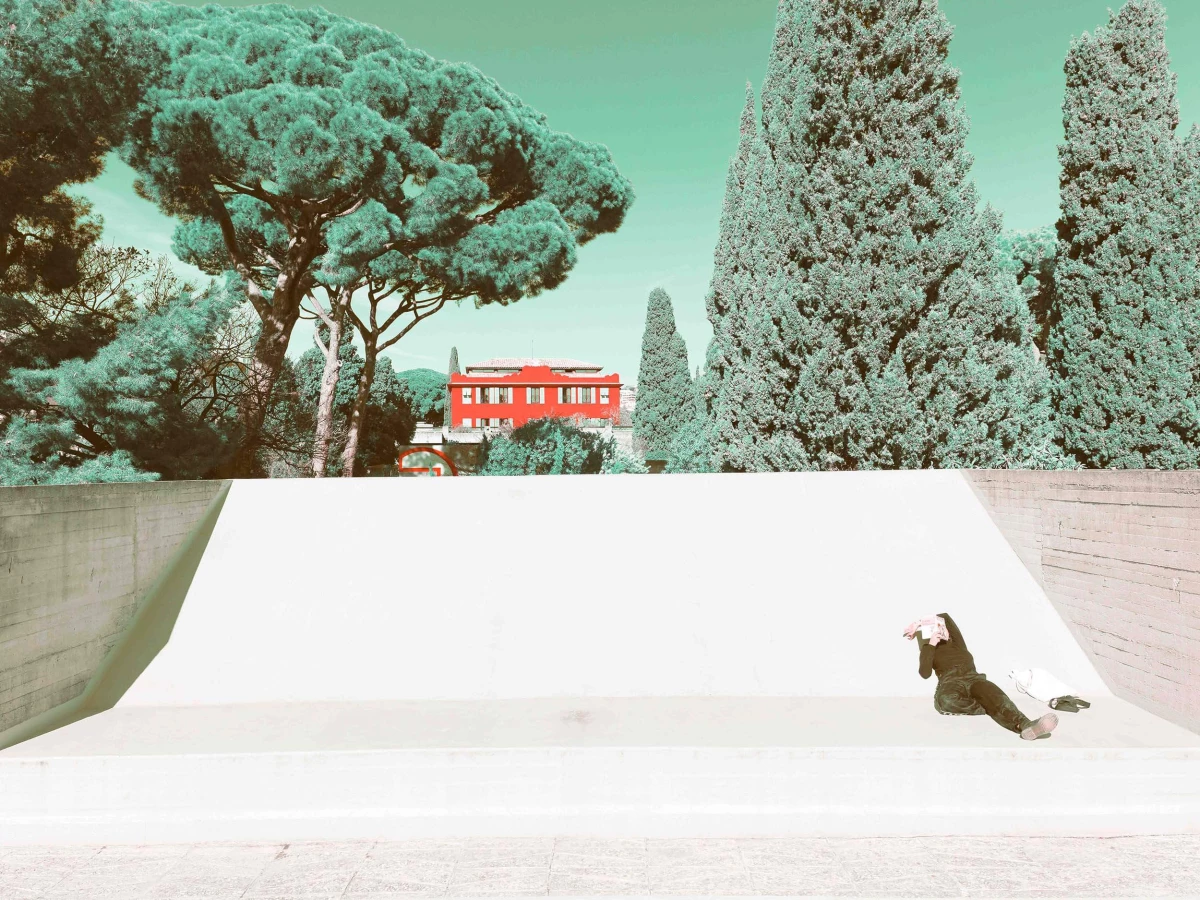
Created in 1914, the Centre des Monuments Nationaux is a public institution under the supervision of the Ministry of Culture, managing over a hundred monuments dating from Prehistory to the 20th century, around twenty of which are listed as UNESCO World Heritage sites.
Teaching
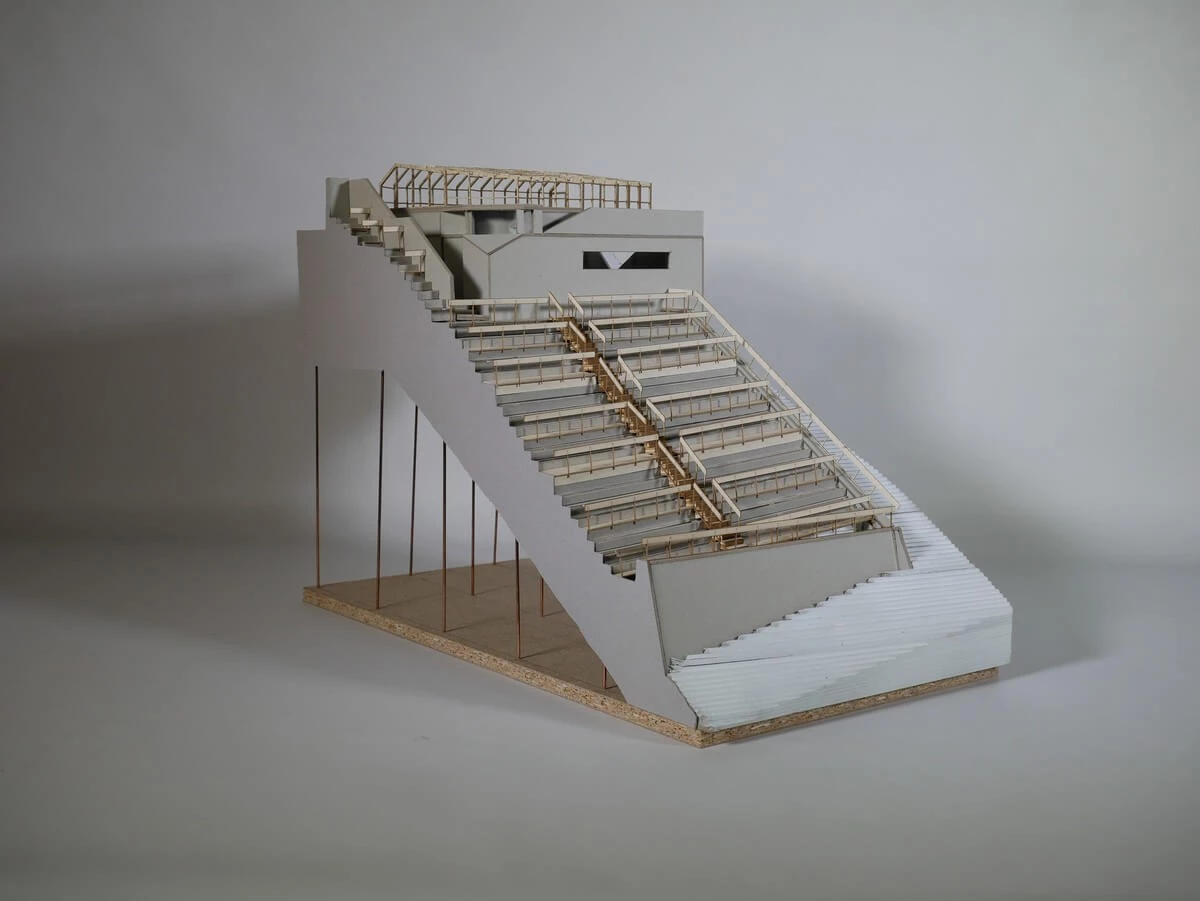
White Elephants Studio
Existing buildings are a resource for architecture. The studio seeks to reveal the potential of what is already there. By developing and refining analytical and design methods and tools, the transformative capacity of heritage can be brought to light.
Site
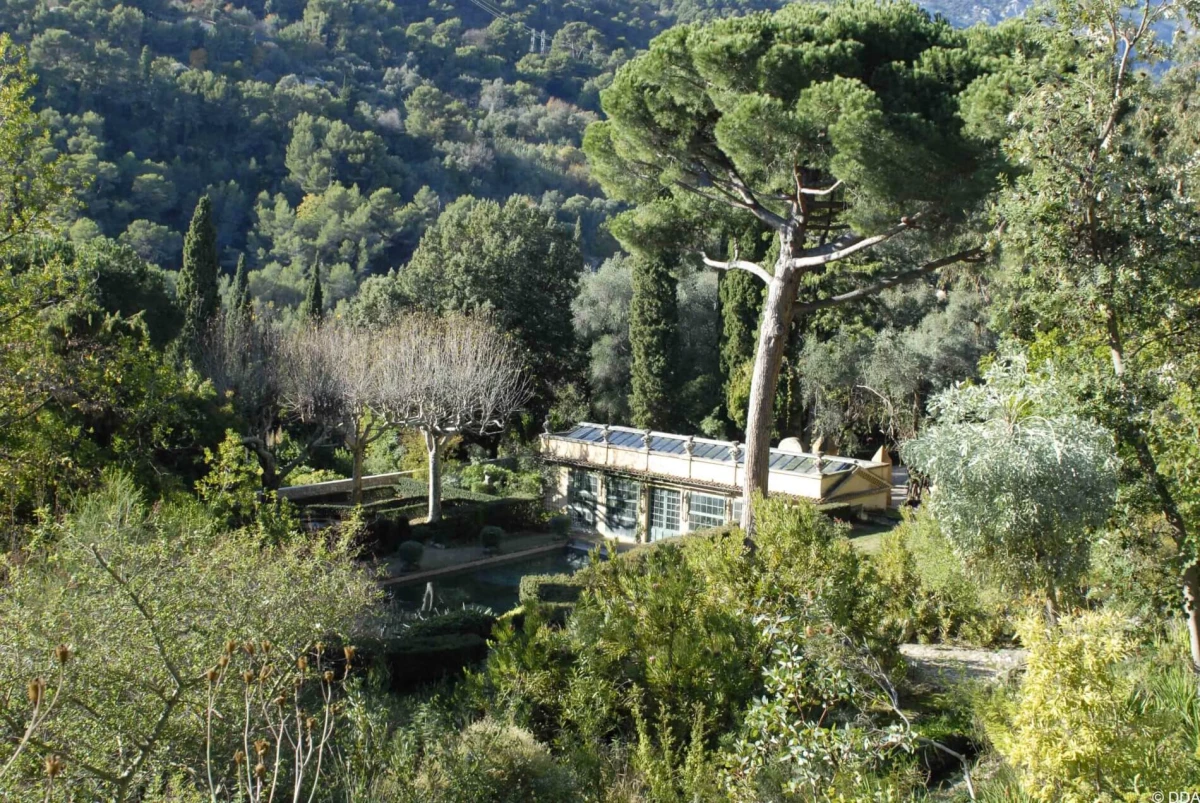
Remarkable Garden
Created in 2004 at the proposal of the National Council of Parks and Gardens, the “Jardin Remarquable” label recognises parks and gardens — public or private — that hold cultural, historical, aesthetic, or botanical interest.
Workshop
Inventory
The weekly workshops form collective bodies of knowledge within the agency. Conceived as moments of internal exchange, this shared process helps give meaning to each person’s practice.