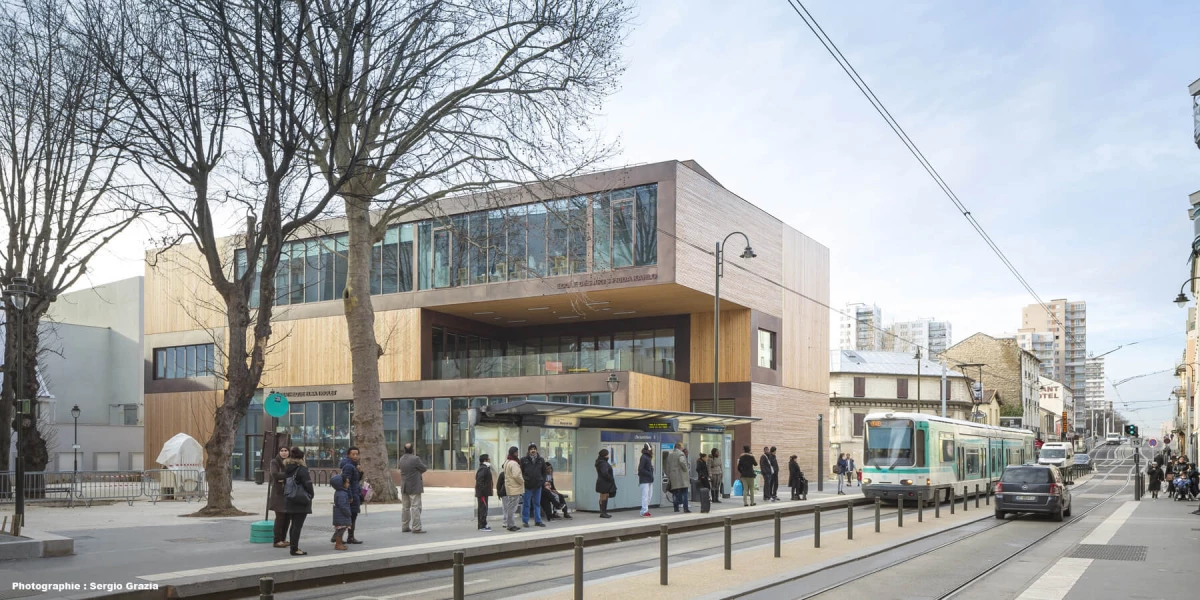
The Quartiers Prioritaires de la Politique de la Ville (Priority Urban Policy Districts) are marked by social, economic, and urban vulnerabilities that often fuel feelings of isolation, injustice, and marginalization. In this context, cultural facilities emerge as powerful levers for transformation. Yet it is essential to move beyond an aesthetic or merely symbolic vision of culture: the issue is not to “create beauty” as a decorative layer but to generate a deep social impact on collective life, anchoring cultural action within the realm of the common good.
Over the decades, the urban development trajectory of QPV has followed several phases: large-scale housing construction, the occasional addition of public facilities, residential extensions, urban renewal operations (ANRU), and now a pressing question: what comes next? At a time when cultural budgets are shrinking, when some neighborhoods remain entirely without facilities, and when inequality is widening (only 2.5% of cultural facilities are located in QPV, even though they are home to 8% of the population), rethinking their role and long-term viability has become critical.
The guiding thread we propose is the inside–outside dialectic. The inside refers to the facilities themselves—enclosed, secure spaces conducive to self-discovery and encounters with others. The outside is the public realm: the neighborhood, the wider city, but also the broader social, cultural, and symbolic circulations. One cannot thrive without the other: a facility turned inward withers, while a public space lacking institutional anchoring is weakened. The challenge lies in weaving a fluid, living continuum between the two that resonates with residents.
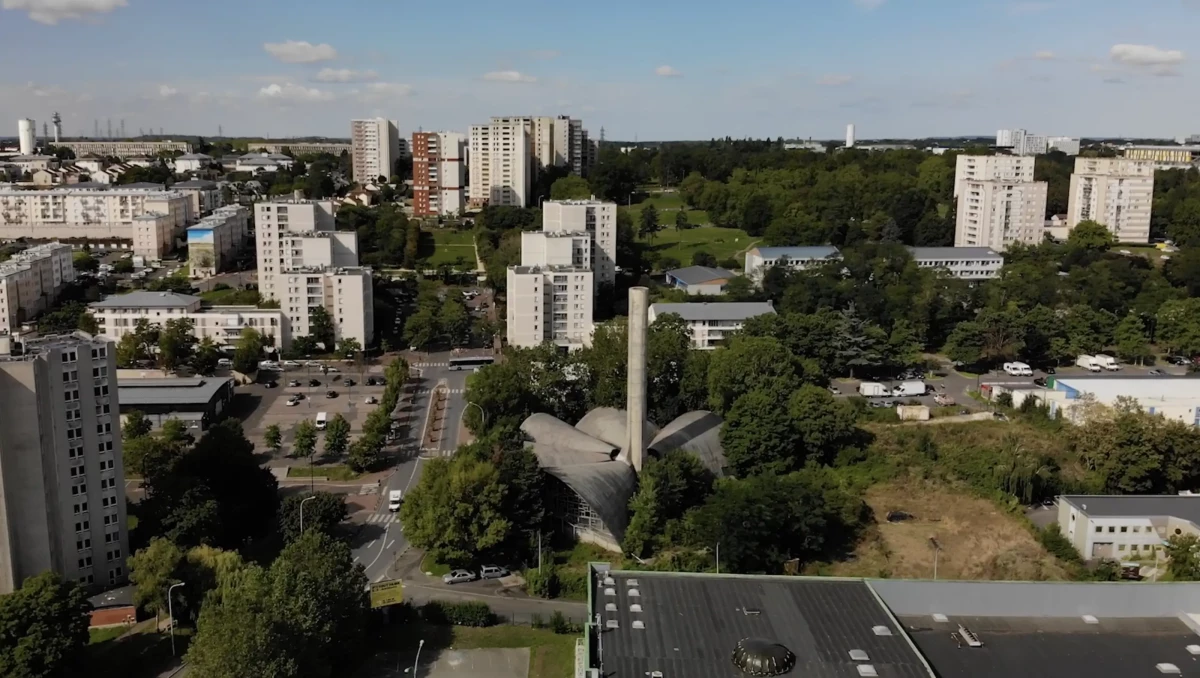
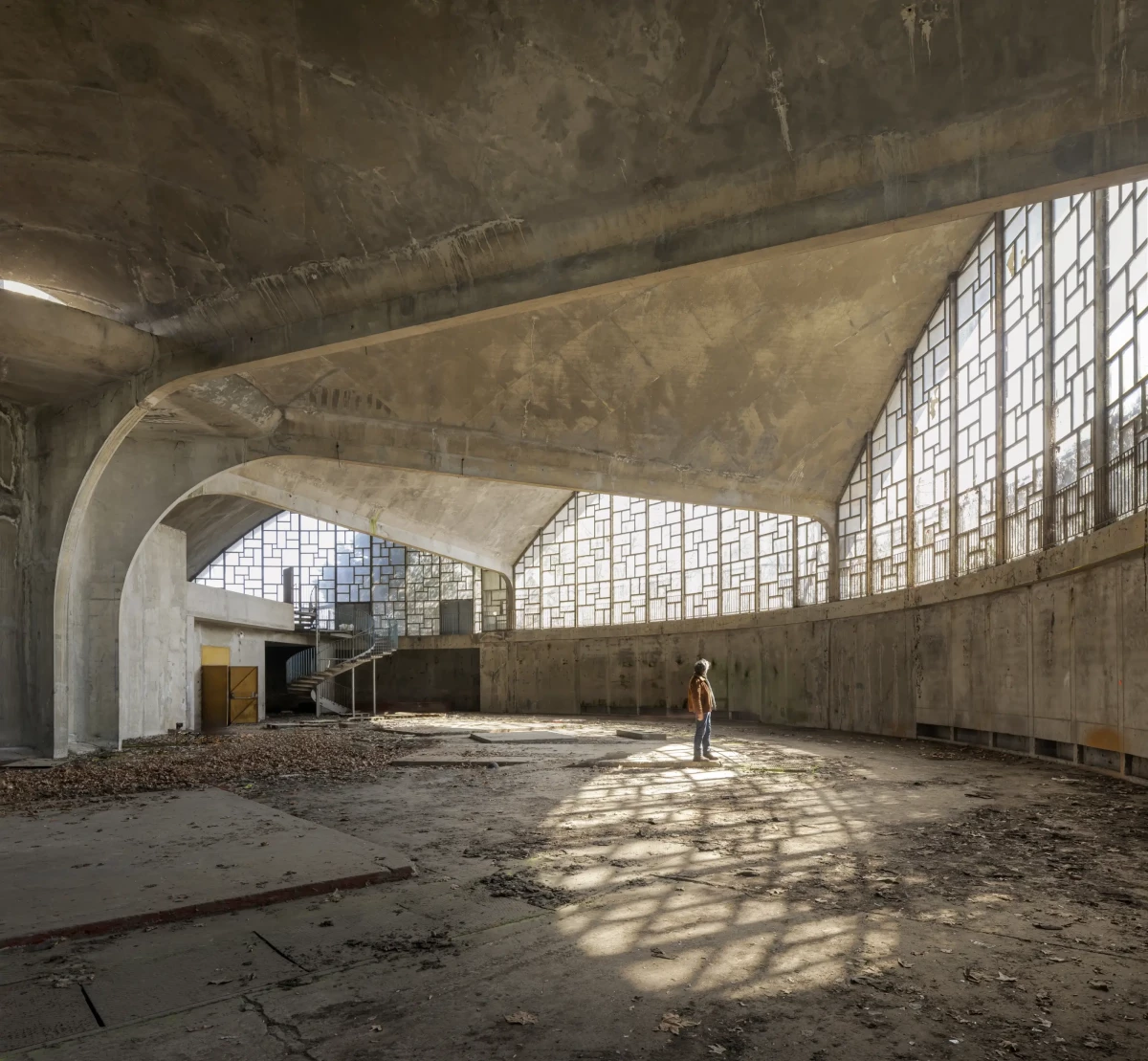
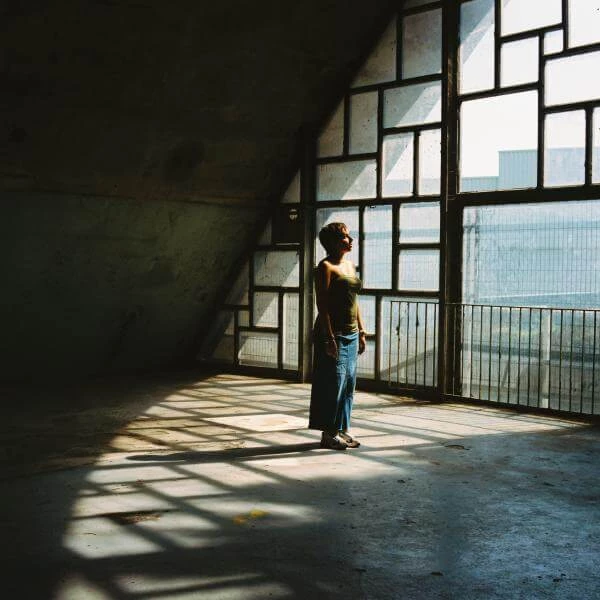
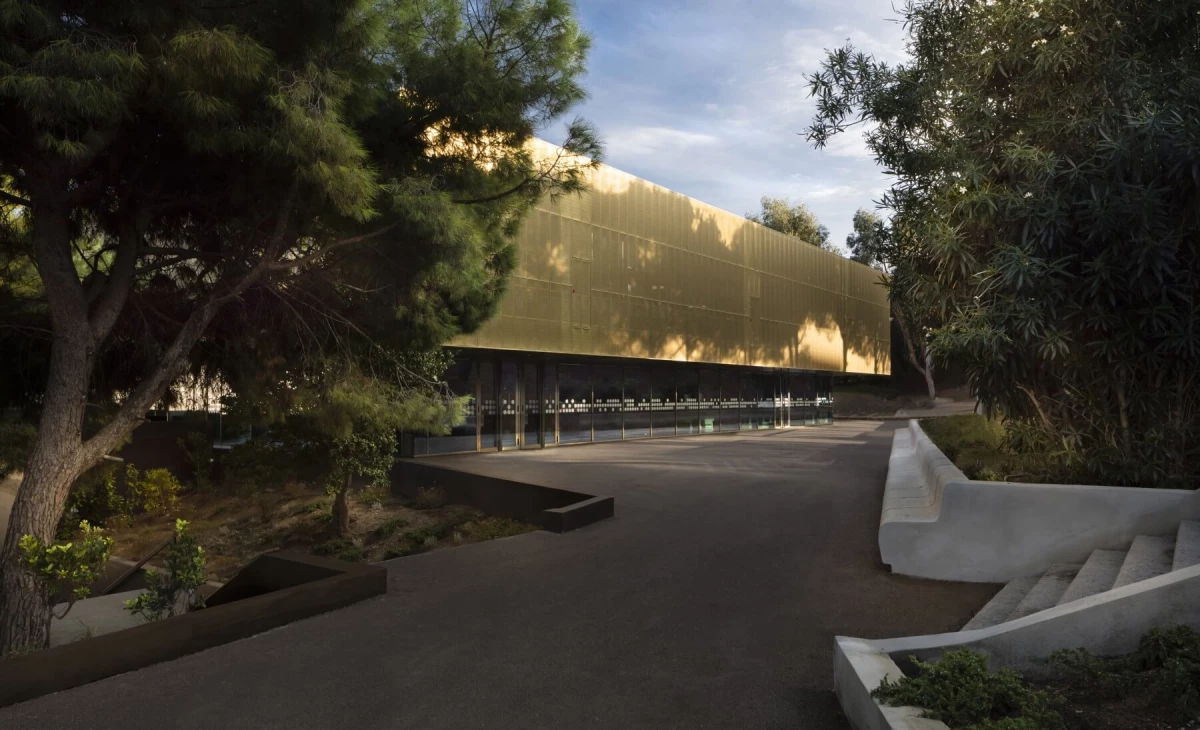
This approach is illustrated through the rehabilitation of the Tarteret boiler house into a cultural facility for the Quartier de Demain competitive dialogue and through the Alb’Oru cultural center in Bastia. Both located in neighborhoods undergoing urban renewal, the creation of these cultural spaces was conceived as the development of living environments where inside and outside inform and enrich one another. We advocate for these places as essential social infrastructures capable of profoundly transforming neighborhoods and their inhabitants.
Written as part of the competitive dialogue for the Quartiers de Demain, the manifesto “De la nécessité de l’équipement culturel dans la transformation des QPVs : penser la relation dedans–dehors” articulates our approach.
The Quartiers Prioritaires de la Politique de la Ville (Priority Urban Policy Districts) are marked by social, economic, and urban vulnerabilities that often fuel feelings of isolation, injustice, and marginalization. In this context, cultural facilities emerge as powerful levers for transformation. Yet it is essential to move beyond an aesthetic or merely symbolic vision of culture: the issue is not to “create beauty” as a decorative layer but to generate a deep social impact on collective life, anchoring cultural action within the realm of the common good.
Over the decades, the urban development trajectory of QPV has followed several phases: large-scale housing construction, the occasional addition of public facilities, residential extensions, urban renewal operations (ANRU), and now a pressing question: what comes next? At a time when cultural budgets are shrinking, when some neighborhoods remain entirely without facilities, and when inequality is widening (only 2.5% of cultural facilities are located in QPV, even though they are home to 8% of the population), rethinking their role and long-term viability has become critical.
The guiding thread we propose is the inside–outside dialectic. The inside refers to the facilities themselves—enclosed, secure spaces conducive to self-discovery and encounters with others. The outside is the public realm: the neighborhood, the wider city, but also the broader social, cultural, and symbolic circulations. One cannot thrive without the other: a facility turned inward withers, while a public space lacking institutional anchoring is weakened. The challenge lies in weaving a fluid, living continuum between the two that resonates with residents.
This approach is illustrated through the rehabilitation of the Tarteret boiler house into a cultural facility for the Quartier de Demain competitive dialogue and through the Alb’Oru cultural center in Bastia. Both located in neighborhoods undergoing urban renewal, the creation of these cultural spaces was conceived as the development of living environments where inside and outside inform and enrich one another. We advocate for these places as essential social infrastructures capable of profoundly transforming neighborhoods and their inhabitants.
Written as part of the competitive dialogue for the Quartiers de Demain, the manifesto “De la nécessité de l’équipement culturel dans la transformation des QPVs : penser la relation dedans–dehors” articulates our approach.