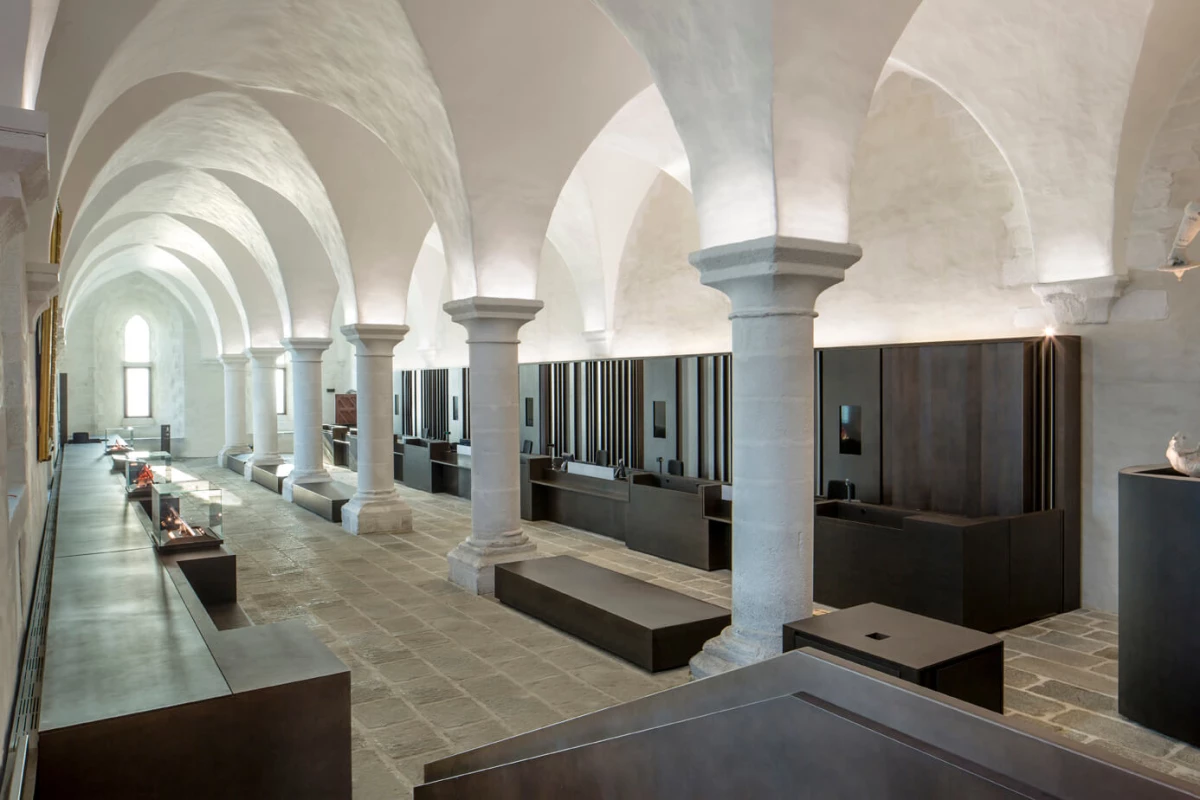
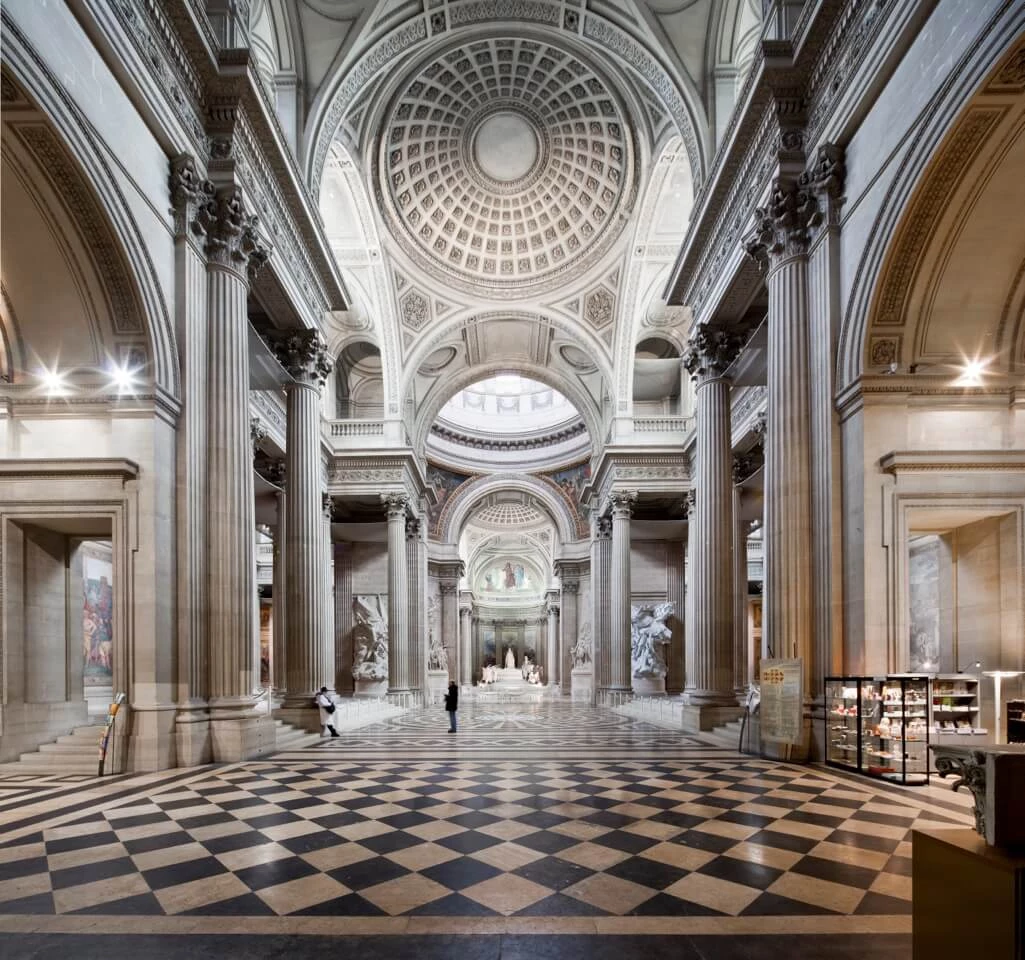
Created in 1914, the Centre des Monuments Nationaux is a public institution under the supervision of the Ministry of Culture, managing over a hundred monuments dating from Prehistory to the 20th century, around twenty of which are listed as UNESCO World Heritage sites. Its primary missions include the conservation, restoration, and maintenance of these monuments, carrying out operations to prevent their degradation and ensure their transmission to future generations. The agency dd.a is authorised to work on significant heritage buildings, notably Historic Monuments. Its projects focus on public reception areas and the related facilities required for their proper functioning. These spaces may be located within the monument itself or nearby, depending on the case. Each situation creates specific relationships between the existing architecture, valued for its heritage significance, and the installations necessary for public access. In all instances, particular attention is paid to safeguarding and highlighting the heritage while optimising visitors’ perception and understanding of the spaces offered.
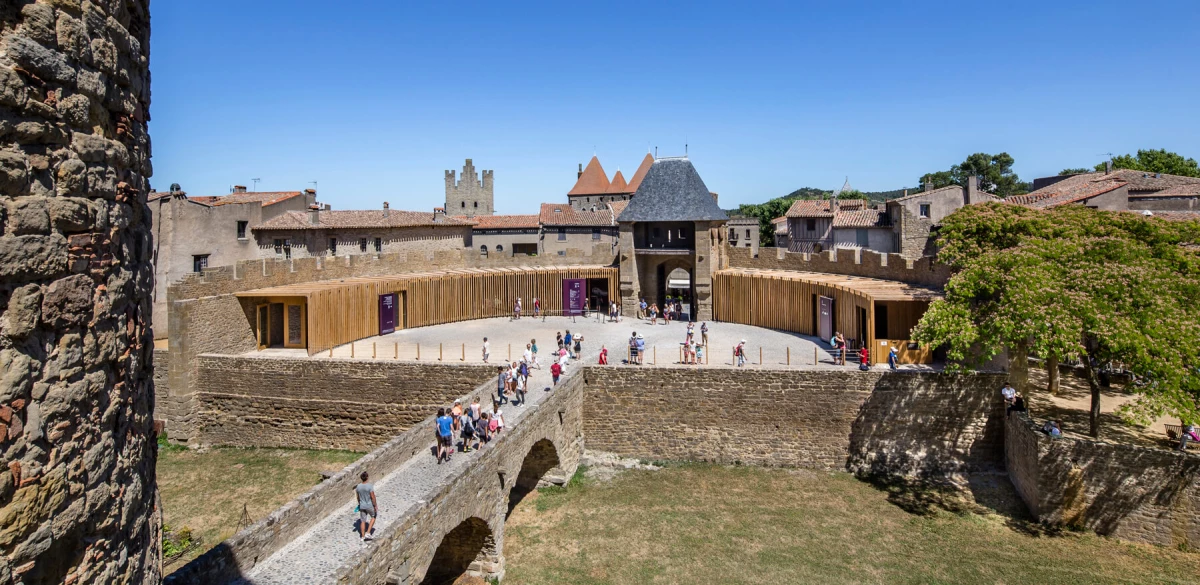
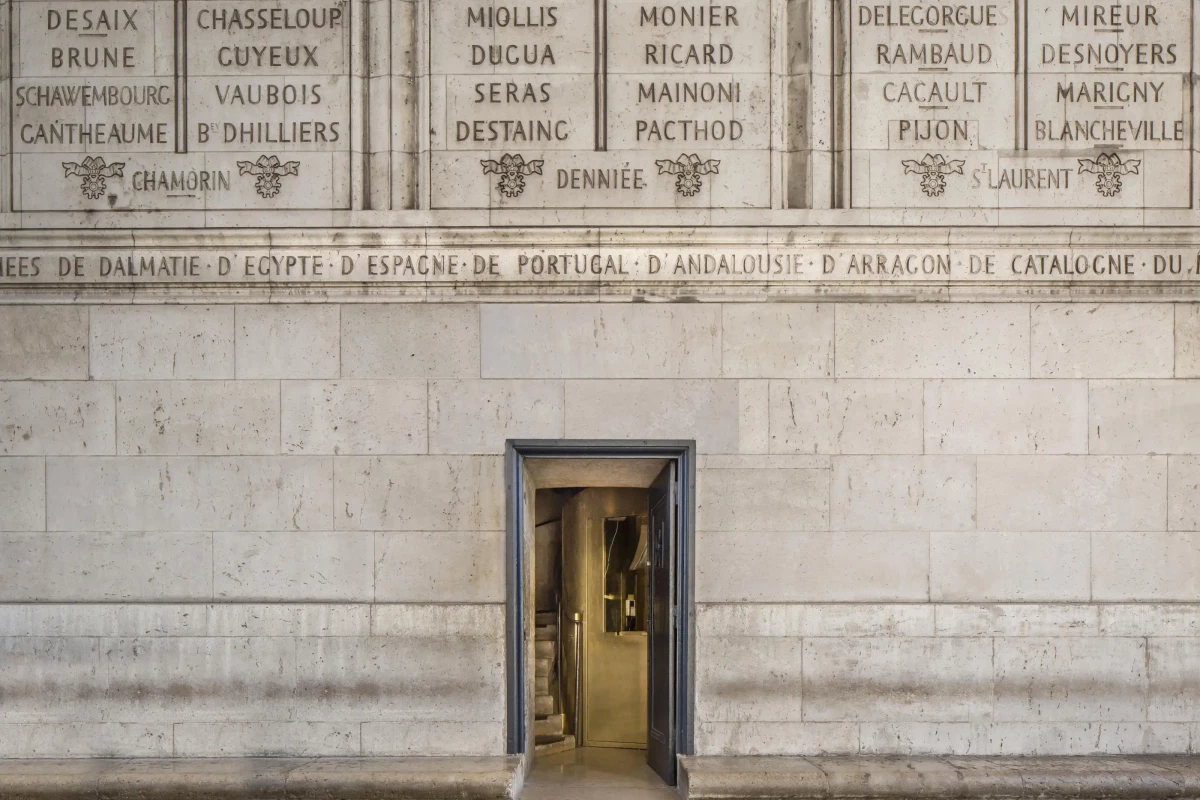
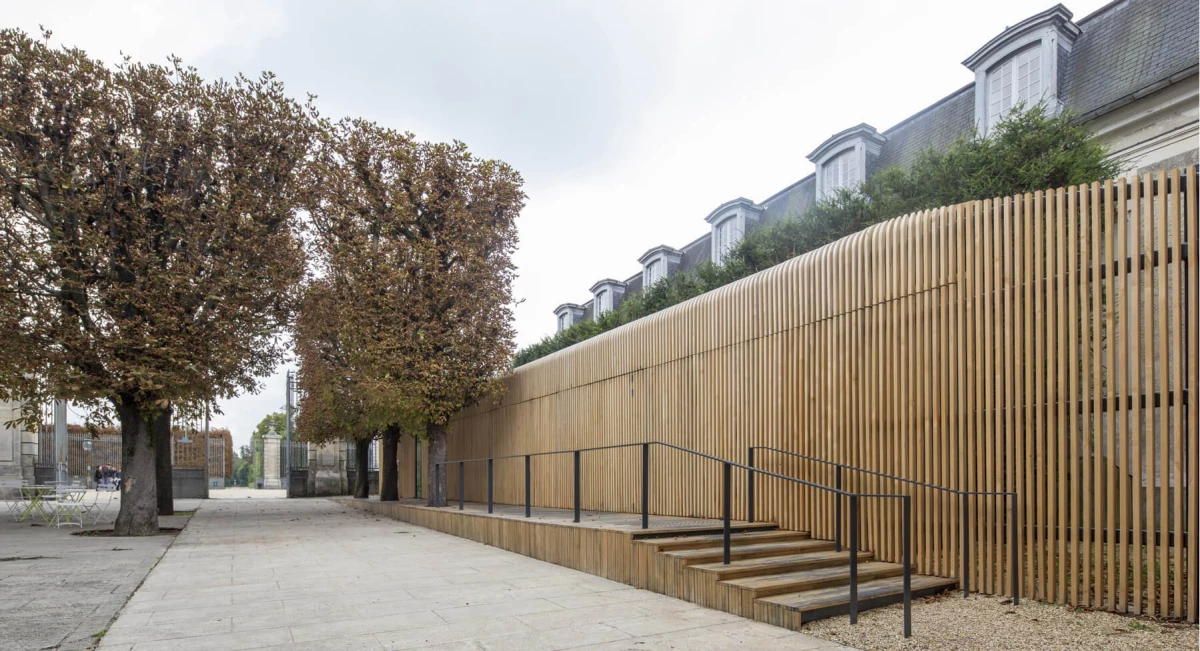
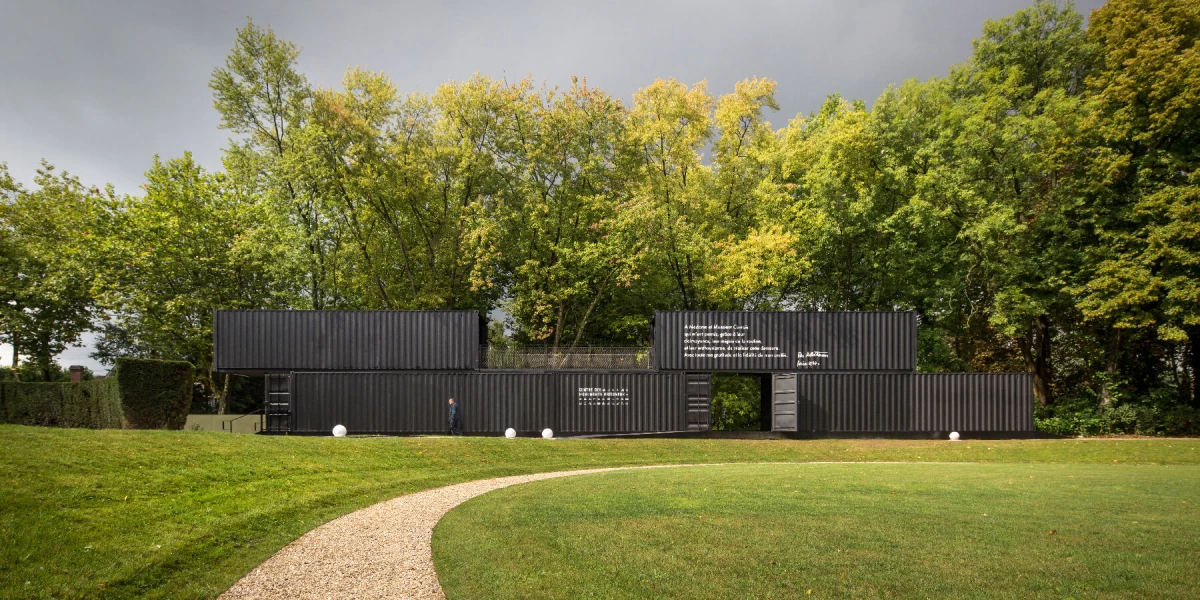
Among its projects, dd.a has designed the visitor facilities at the Arc de Triomphe, including a prototype control post fitted into the ground floor of the monument’s spiral staircase; the public reception area and shop at Mont-Saint-Michel; a new visitor centre at Carcassonne Castle; the restoration of the Eileen Gray – Étoile de mer – Le Corbusier site; the public welcome spaces at Villa Cavrois; and the restoration of Le Corbusier’s Louise-Catherine Barge, among others. The public reception installations proposed by dd.a are sober, pure, and rational, with one essential goal: to avoid disrupting the legibility of the monument through the design of visitor facilities. The placement and integration of signage are carefully reconsidered to facilitate orientation and information. Beyond visitor reception and retail, these areas serve as workspaces for the staff of the Centre des Monuments Nationaux. Interventions aim to improve comfort, addressing factors such as lighting, temperature, and draughts. The entire approach to designing public reception spaces is conducted by a multidisciplinary team, bringing together architects, designers, engineers, and construction economists.
Created in 1914, the Centre des Monuments Nationaux is a public institution under the supervision of the Ministry of Culture, managing over a hundred monuments dating from Prehistory to the 20th century, around twenty of which are listed as UNESCO World Heritage sites. Its primary missions include the conservation, restoration, and maintenance of these monuments, carrying out operations to prevent their degradation and ensure their transmission to future generations. The agency dd.a is authorised to work on significant heritage buildings, notably Historic Monuments. Its projects focus on public reception areas and the related facilities required for their proper functioning. These spaces may be located within the monument itself or nearby, depending on the case. Each situation creates specific relationships between the existing architecture, valued for its heritage significance, and the installations necessary for public access. In all instances, particular attention is paid to safeguarding and highlighting the heritage while optimising visitors’ perception and understanding of the spaces offered.
Among its projects, dd.a has designed the visitor facilities at the Arc de Triomphe, including a prototype control post fitted into the ground floor of the monument’s spiral staircase; the public reception area and shop at Mont-Saint-Michel; a new visitor centre at Carcassonne Castle; the restoration of the Eileen Gray – Étoile de mer – Le Corbusier site; the public welcome spaces at Villa Cavrois; and the restoration of Le Corbusier’s Louise-Catherine Barge, among others. The public reception installations proposed by dd.a are sober, pure, and rational, with one essential goal: to avoid disrupting the legibility of the monument through the design of visitor facilities. The placement and integration of signage are carefully reconsidered to facilitate orientation and information. Beyond visitor reception and retail, these areas serve as workspaces for the staff of the Centre des Monuments Nationaux. Interventions aim to improve comfort, addressing factors such as lighting, temperature, and draughts. The entire approach to designing public reception spaces is conducted by a multidisciplinary team, bringing together architects, designers, engineers, and construction economists.