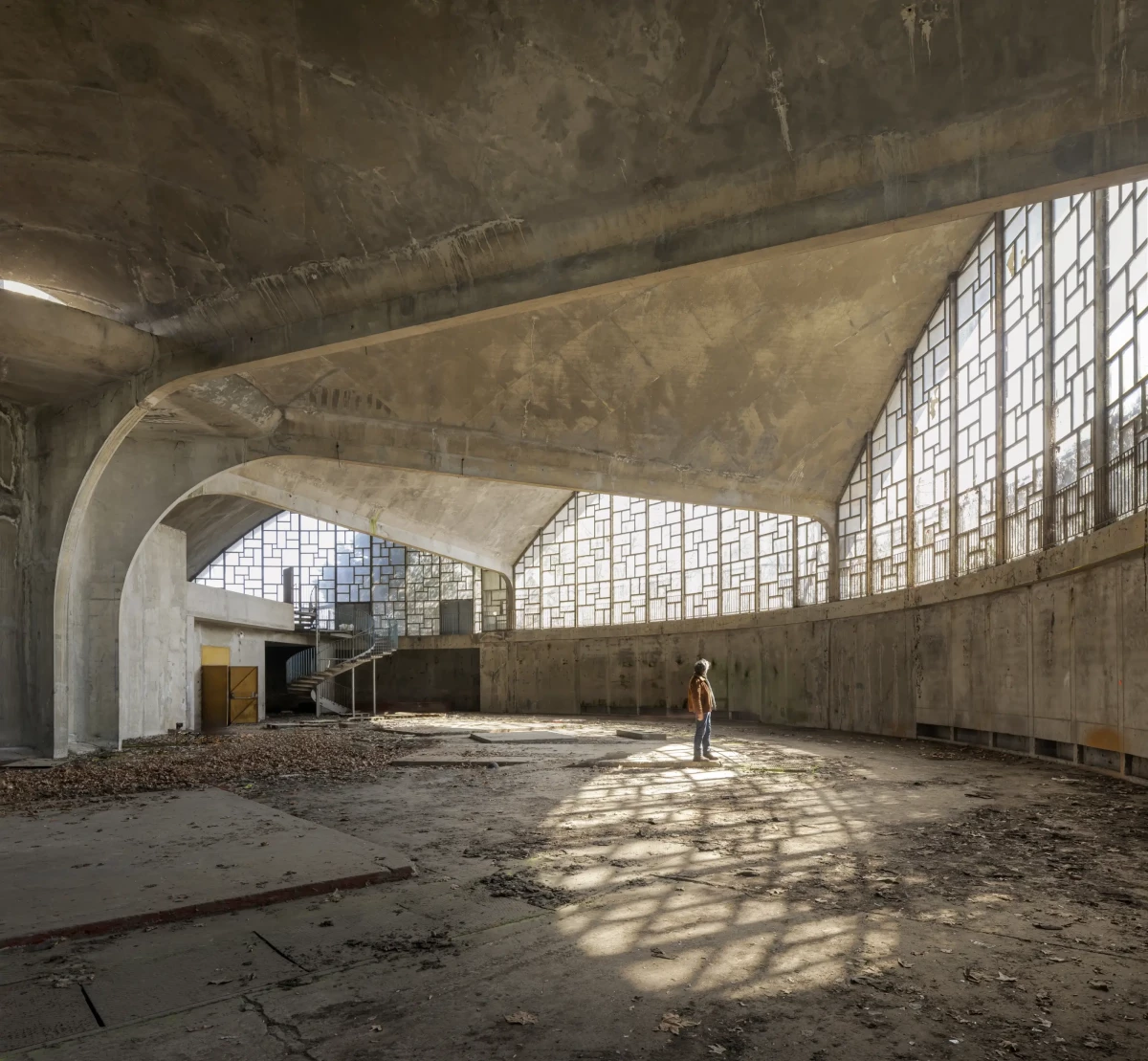
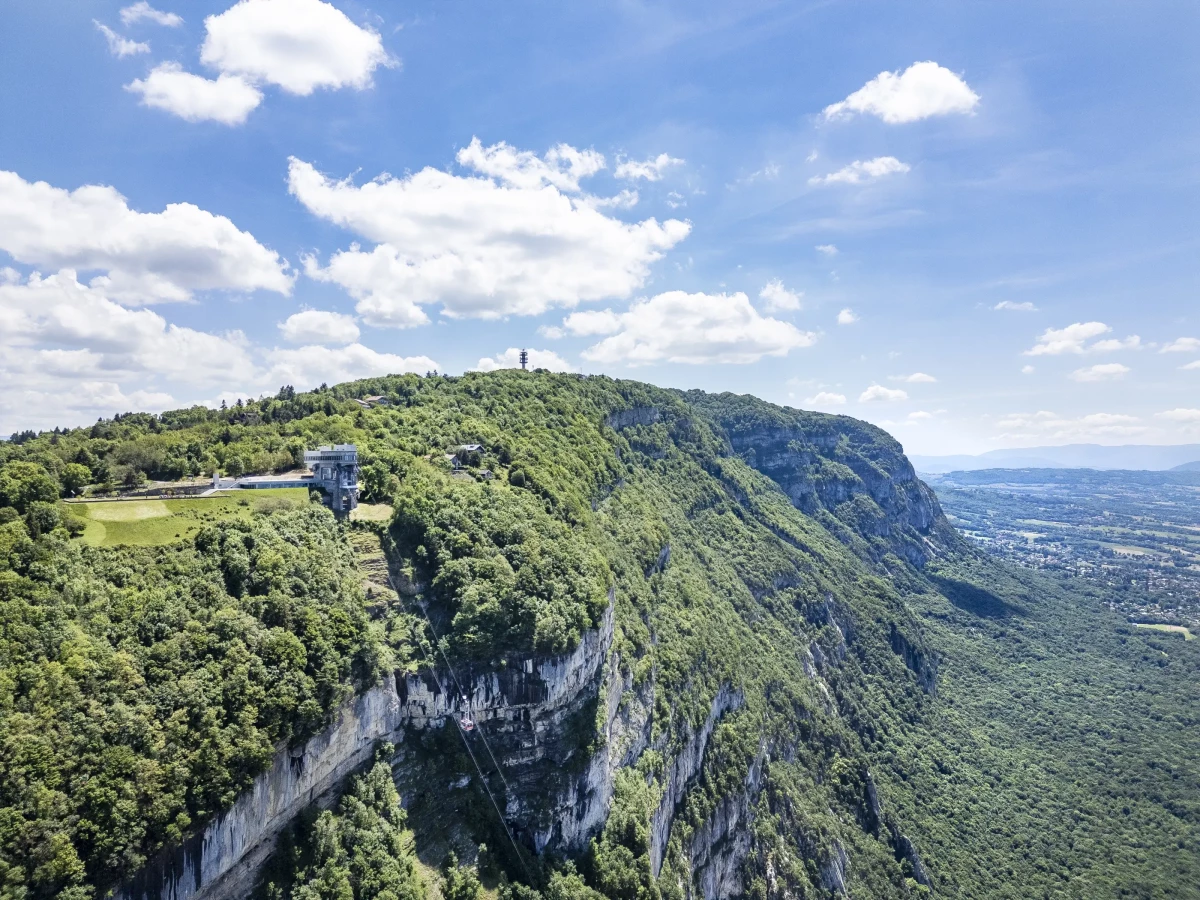
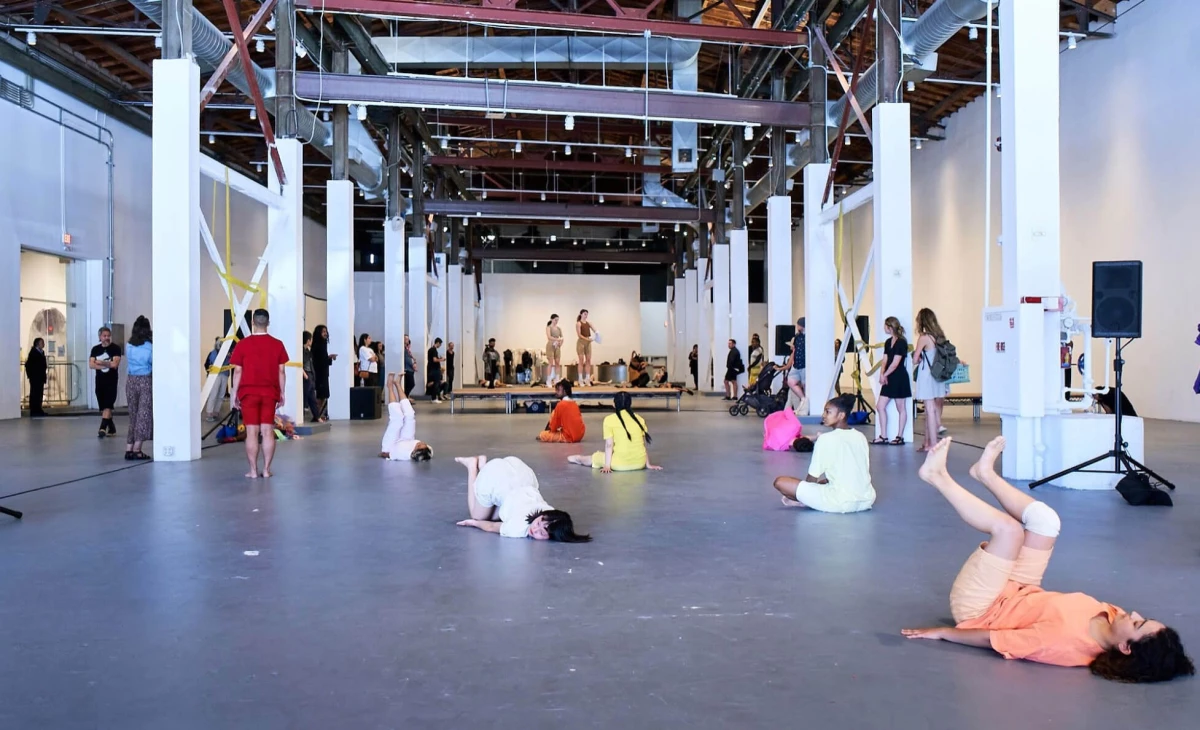
Our work is grounded in an ethics of transformation: turning diagnosis into a driver for both project and programme, and making architecture a framework for future uses—open and shared. In a context where patterns of use evolve rapidly, architectural programming can no longer be a matter of simple functional planning: it becomes a tool for foresight and adaptability within an open logic—designing not to fix, but to enable.
We advocate for an evolving programming approach, based on careful observation of current real-world use and the capacity to accommodate the unforeseen. This “modesty” reflects a belief in the potential of collective experimentation, working alongside residents, associations, and local stakeholders to construct a living programme that resonates with its territory. Programming should therefore be conceived as a collaborative process rather than a fixed stage. In this respect, we see it as running parallel to architectural diagnosis, allowing continuous adaptation between an existing site and potential, emergent, or confirmed needs.
This approach aligns with our conviction that all sites are already inhabited, and that transformation is first and foremost about revealing—starting from what exists to embed uses that are compatible with the existing infrastructure, site, and its spirit. Function adapts to place, not the other way around. Programming thus becomes both a tool for constructive restraint, social cohesion, and innovation. By placing users and architects at the heart of the process, it becomes a means of collective appropriation, strengthening the bond between inhabitants and their environment.
Our work is grounded in an ethics of transformation: turning diagnosis into a driver for both project and programme, and making architecture a framework for future uses—open and shared. In a context where patterns of use evolve rapidly, architectural programming can no longer be a matter of simple functional planning: it becomes a tool for foresight and adaptability within an open logic—designing not to fix, but to enable.
We advocate for an evolving programming approach, based on careful observation of current real-world use and the capacity to accommodate the unforeseen. This “modesty” reflects a belief in the potential of collective experimentation, working alongside residents, associations, and local stakeholders to construct a living programme that resonates with its territory. Programming should therefore be conceived as a collaborative process rather than a fixed stage. In this respect, we see it as running parallel to architectural diagnosis, allowing continuous adaptation between an existing site and potential, emergent, or confirmed needs.
This approach aligns with our conviction that all sites are already inhabited, and that transformation is first and foremost about revealing—starting from what exists to embed uses that are compatible with the existing infrastructure, site, and its spirit. Function adapts to place, not the other way around. Programming thus becomes both a tool for constructive restraint, social cohesion, and innovation. By placing users and architects at the heart of the process, it becomes a means of collective appropriation, strengthening the bond between inhabitants and their environment.