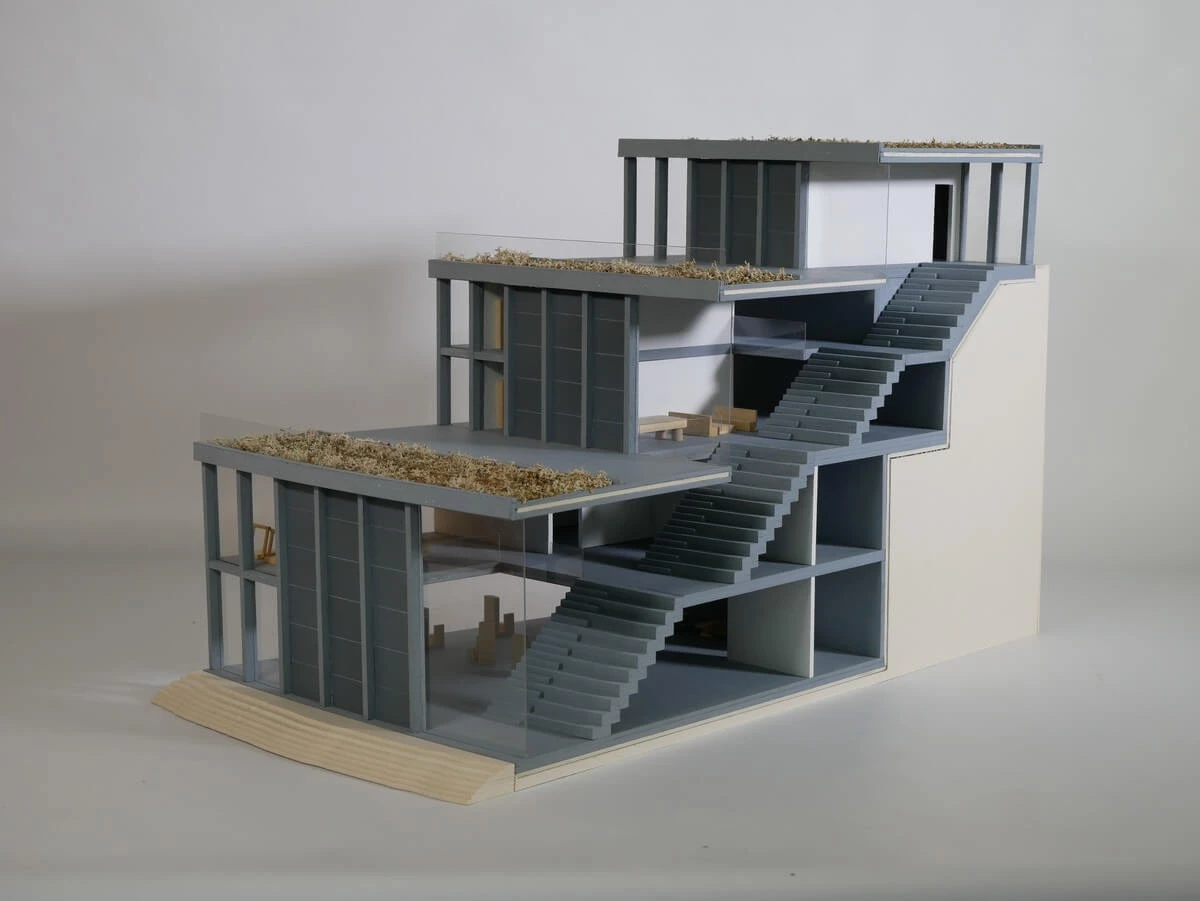
Existing buildings are a resource for architecture. The studio aims to reveal the potential of what is already there. Through the development and exploration of analytical and design methods and tools, the capacity of heritage to be transformed can be brought to light. Between restoration, creation and transformation, the moment calls for new modes of intervention — sober, hybrid, multidisciplinary and contextual. Today, much of the heritage we inherit comes from modernity. Demolition is no longer an option. We must work with this body of buildings, sometimes dilapidated, poorly insulated or obsolete in programmatic and functional terms. This field of inquiry ranges from the restoration of concrete structures to adapting existing buildings to new uses, particularly through a reflection on their energy performance.
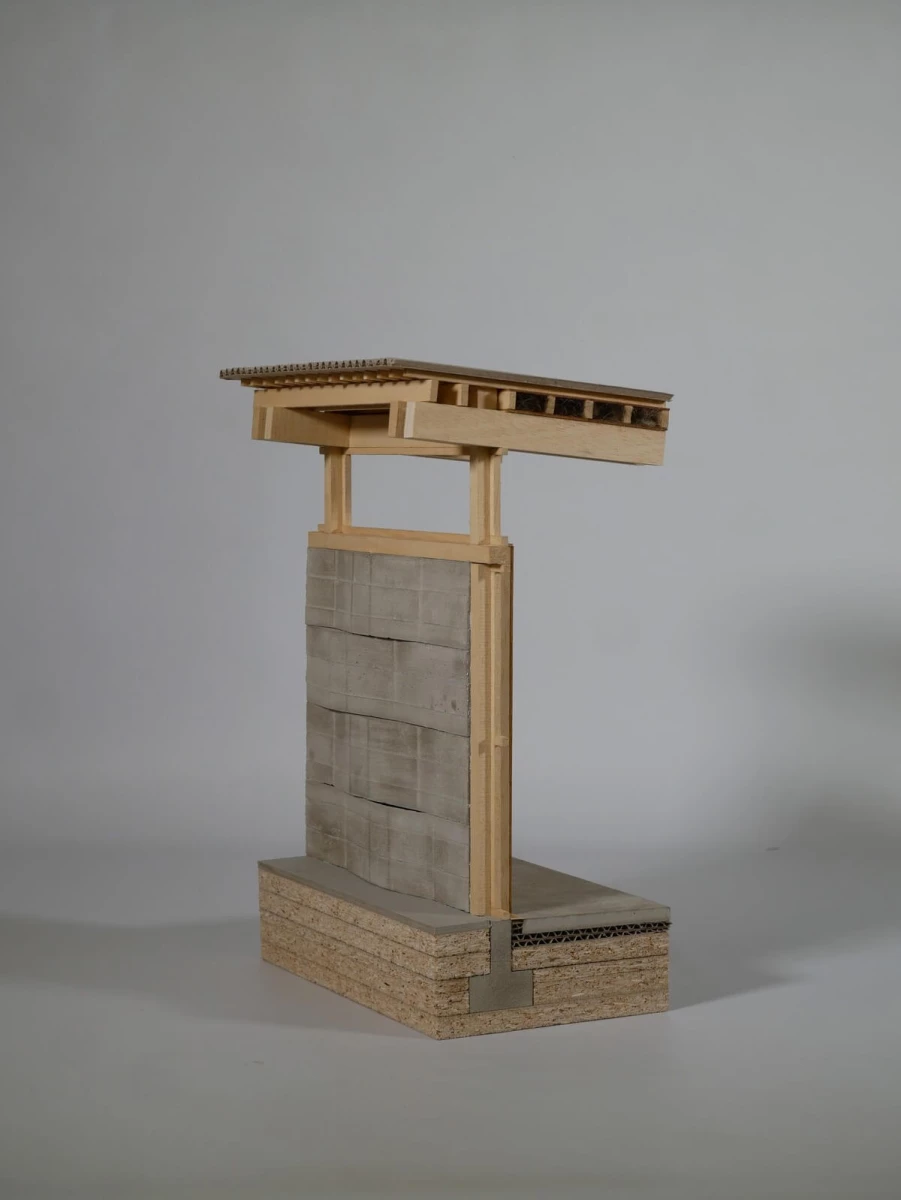
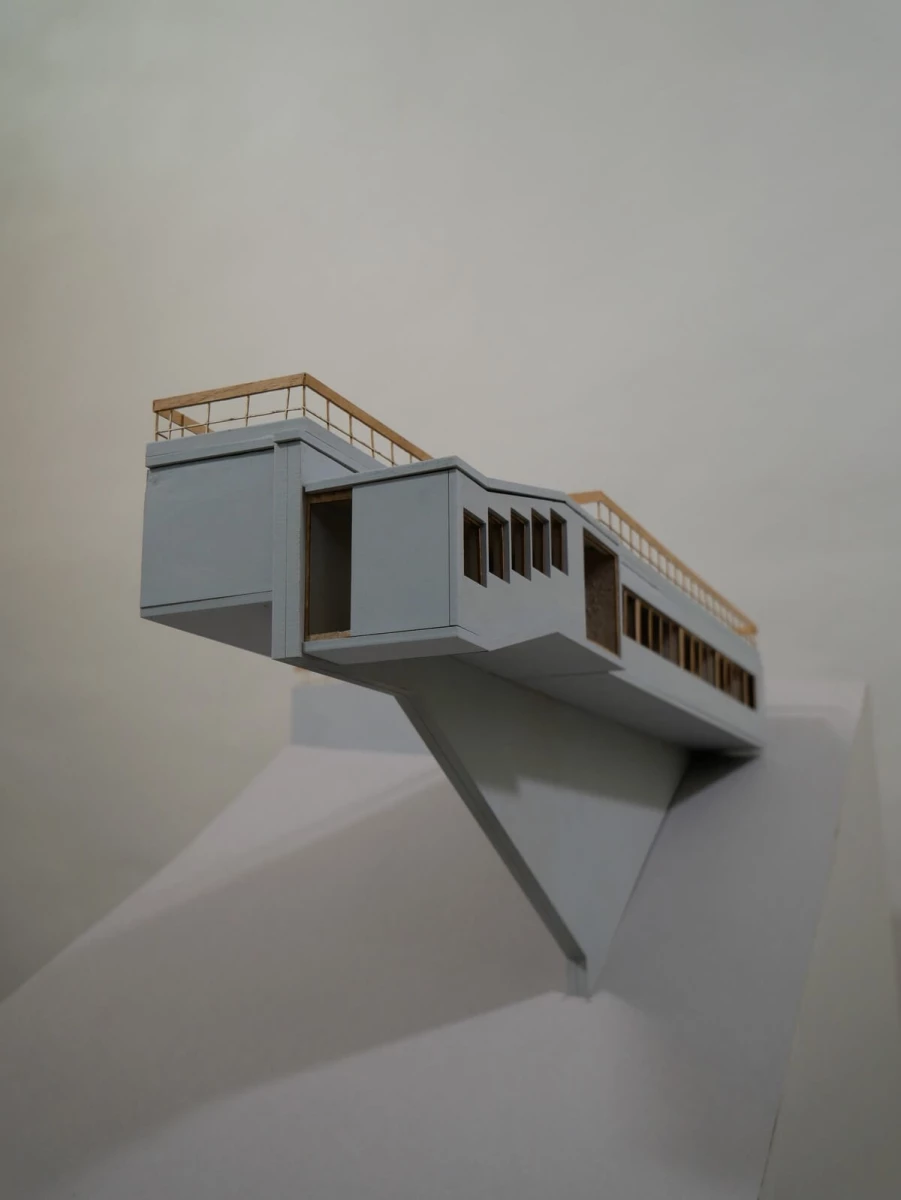
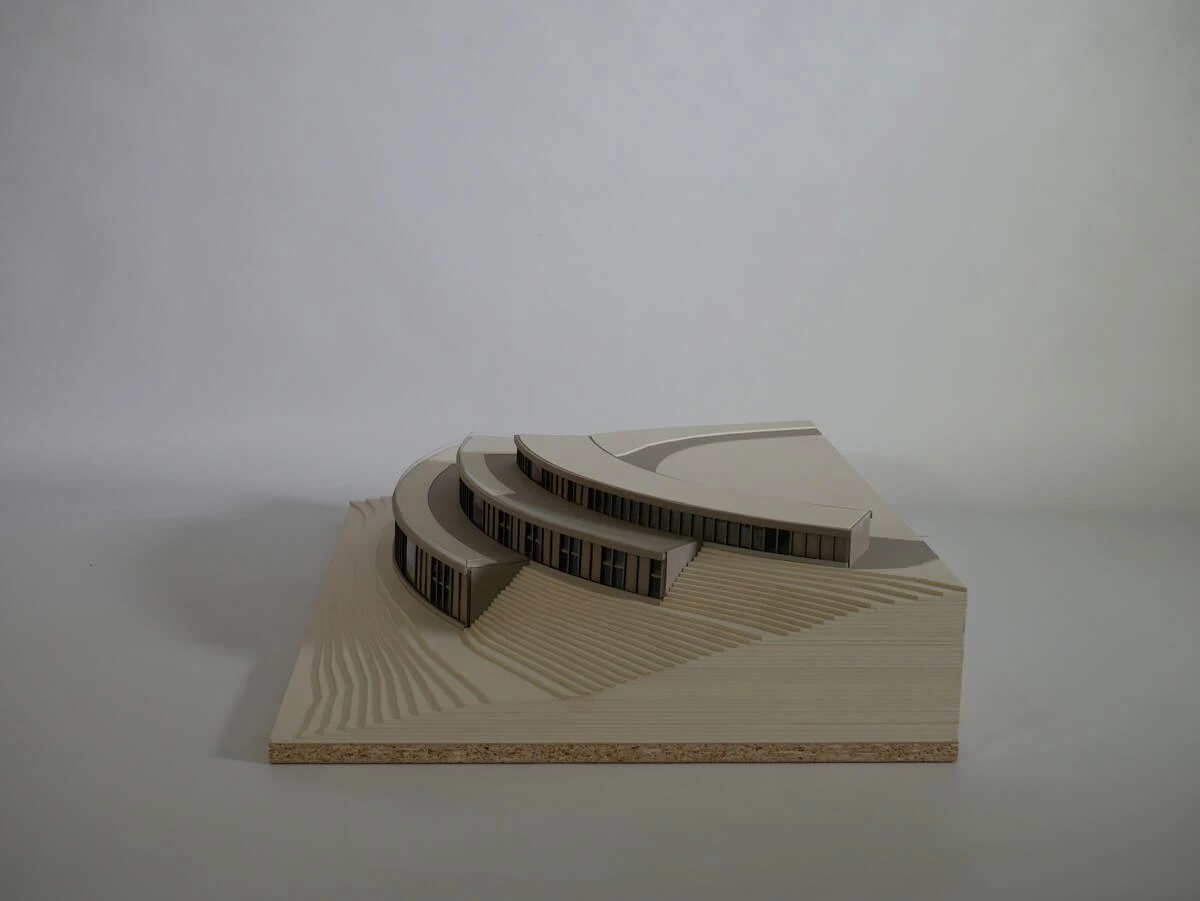
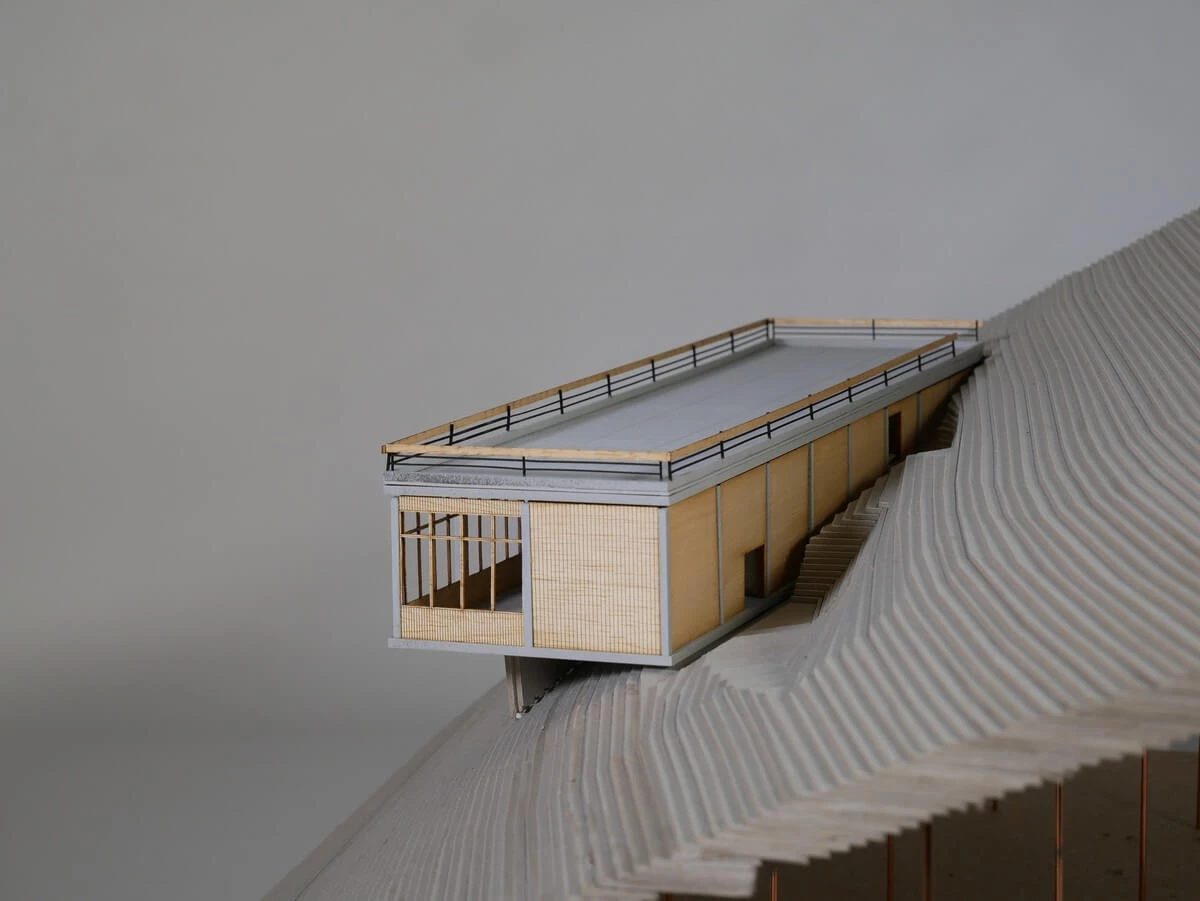
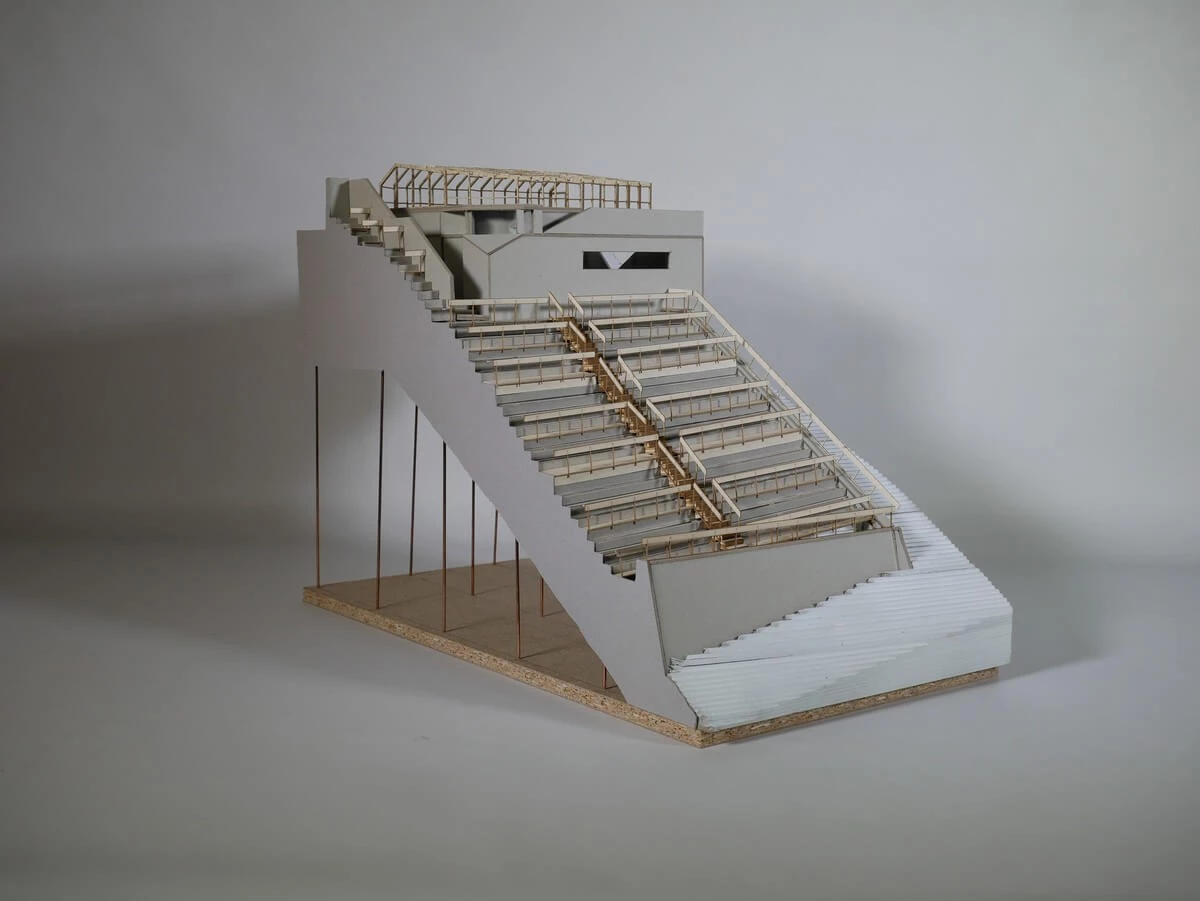
The studio focuses on the transformation of the Saint-Nizier-du-Moucherotte Olympic ski jump, an emblematic remnant of the 1968 Winter Games, now abandoned. Both a piece of technical engineering and a poetic landmark in the Grenoble landscape, the site raises questions about the very notion of heritage: does it belong to those who built it, to those who abandoned it, or to a generation seeking to reclaim its mountains? Through a full heritage study — surveys, historical analysis, diagnostic work and an assessment of authenticity — students learn to understand what remains, what has disappeared and what can be reactivated. The aim is to propose a rehabilitation that restores meaning to the place — whether as a sports, cultural or tourist hub — while embracing the ambivalence of the ski jump, both an engineering feat and an “absurd monument” towering over the city.
The studio explores different ways of intervening in the existing fabric, rooted in a powerful landscape context and in contemporary issues of territory, social appropriation and environmental responsibility. The goal is to breathe new life into a fallen emblem while revealing its critical, almost mythical relationship with both the city and the mountain.
Existing buildings are a resource for architecture. The studio aims to reveal the potential of what is already there. Through the development and exploration of analytical and design methods and tools, the capacity of heritage to be transformed can be brought to light. Between restoration, creation and transformation, the moment calls for new modes of intervention — sober, hybrid, multidisciplinary and contextual. Today, much of the heritage we inherit comes from modernity. Demolition is no longer an option. We must work with this body of buildings, sometimes dilapidated, poorly insulated or obsolete in programmatic and functional terms. This field of inquiry ranges from the restoration of concrete structures to adapting existing buildings to new uses, particularly through a reflection on their energy performance.
The studio focuses on the transformation of the Saint-Nizier-du-Moucherotte Olympic ski jump, an emblematic remnant of the 1968 Winter Games, now abandoned. Both a piece of technical engineering and a poetic landmark in the Grenoble landscape, the site raises questions about the very notion of heritage: does it belong to those who built it, to those who abandoned it, or to a generation seeking to reclaim its mountains? Through a full heritage study — surveys, historical analysis, diagnostic work and an assessment of authenticity — students learn to understand what remains, what has disappeared and what can be reactivated. The aim is to propose a rehabilitation that restores meaning to the place — whether as a sports, cultural or tourist hub — while embracing the ambivalence of the ski jump, both an engineering feat and an “absurd monument” towering over the city.
The studio explores different ways of intervening in the existing fabric, rooted in a powerful landscape context and in contemporary issues of territory, social appropriation and environmental responsibility. The goal is to breathe new life into a fallen emblem while revealing its critical, almost mythical relationship with both the city and the mountain.
Martin Lichtig