Our approach builds on methodologies developed for listed historic monuments, while extending them to ordinary heritage, which constitutes the vast majority of our built environment and forms the everyday living framework of the population. Ordinary buildings are not merely assemblies of materials: they are places of collective memory, sociability, and habit. They host daily lives, modest uses, and invisible histories. Demolishing them without thoughtful consideration is also to erase the social and cultural bonds woven into them over time.
In a context of dwindling resources, climate crisis, and the imperative to reduce carbon emissions, these structures represent a substantial material and energy reservoir. They also constitute a form of social capital—a fabric of habitability that shapes spatial practices and human relationships. Each building concentrates a significant quantity of embodied energy—extracted, transformed, transported, assembled—but also an immaterial energy composed of uses, memories, and connections. This perspective aligns with our conviction: preserving the existing built environment means safeguarding an ecological resource and a shared living framework.
Preserving the built fabric, whether prestigious or modest, thus rests on a threefold rationale;
— heritage-based, when it carries historical, architectural, or cultural value;
— ecological and energy-based, as a reservoir of materials and embodied energy that would be wasteful to discard;
— social, as a support for uses, relationships, and collective life.
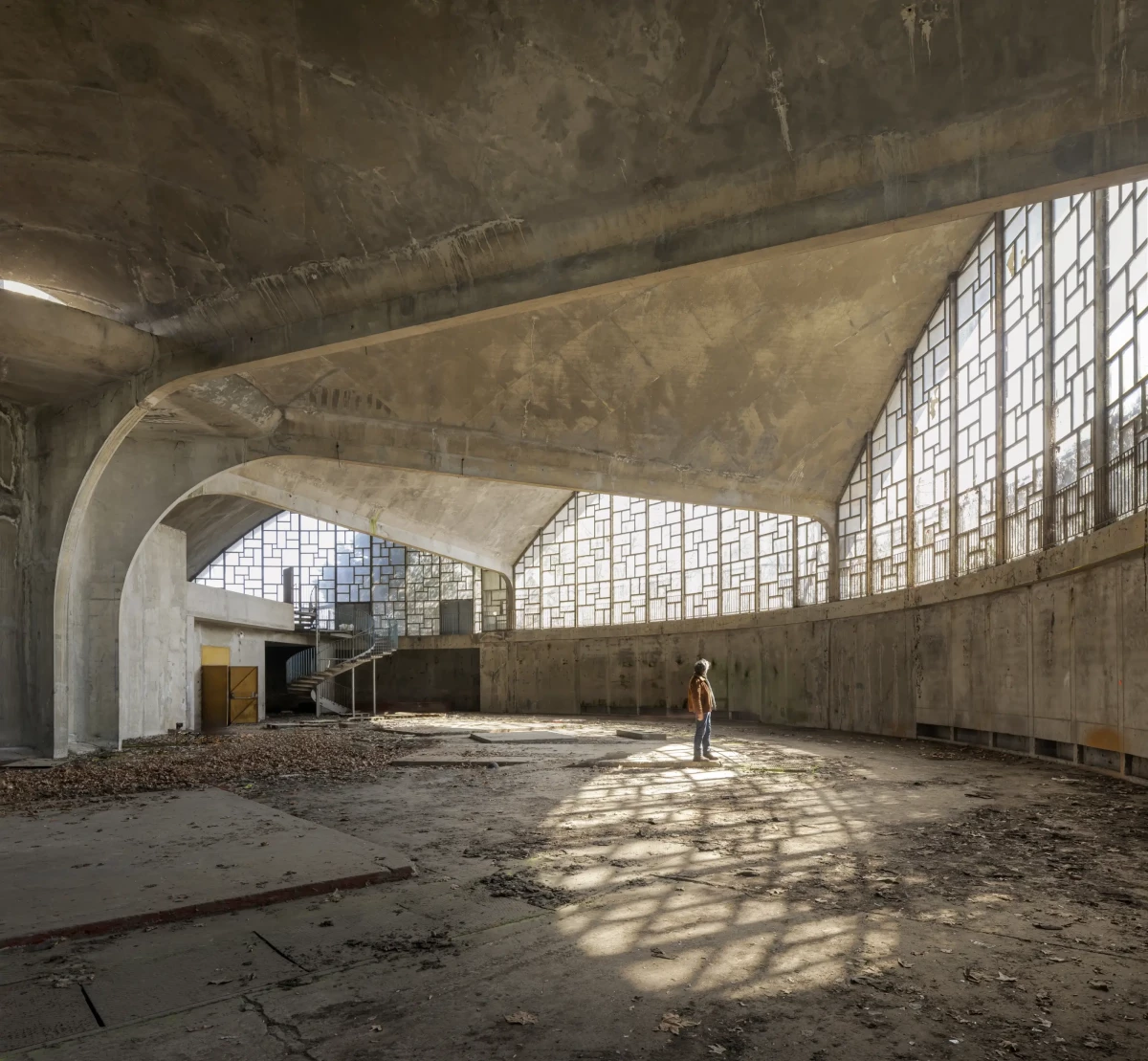
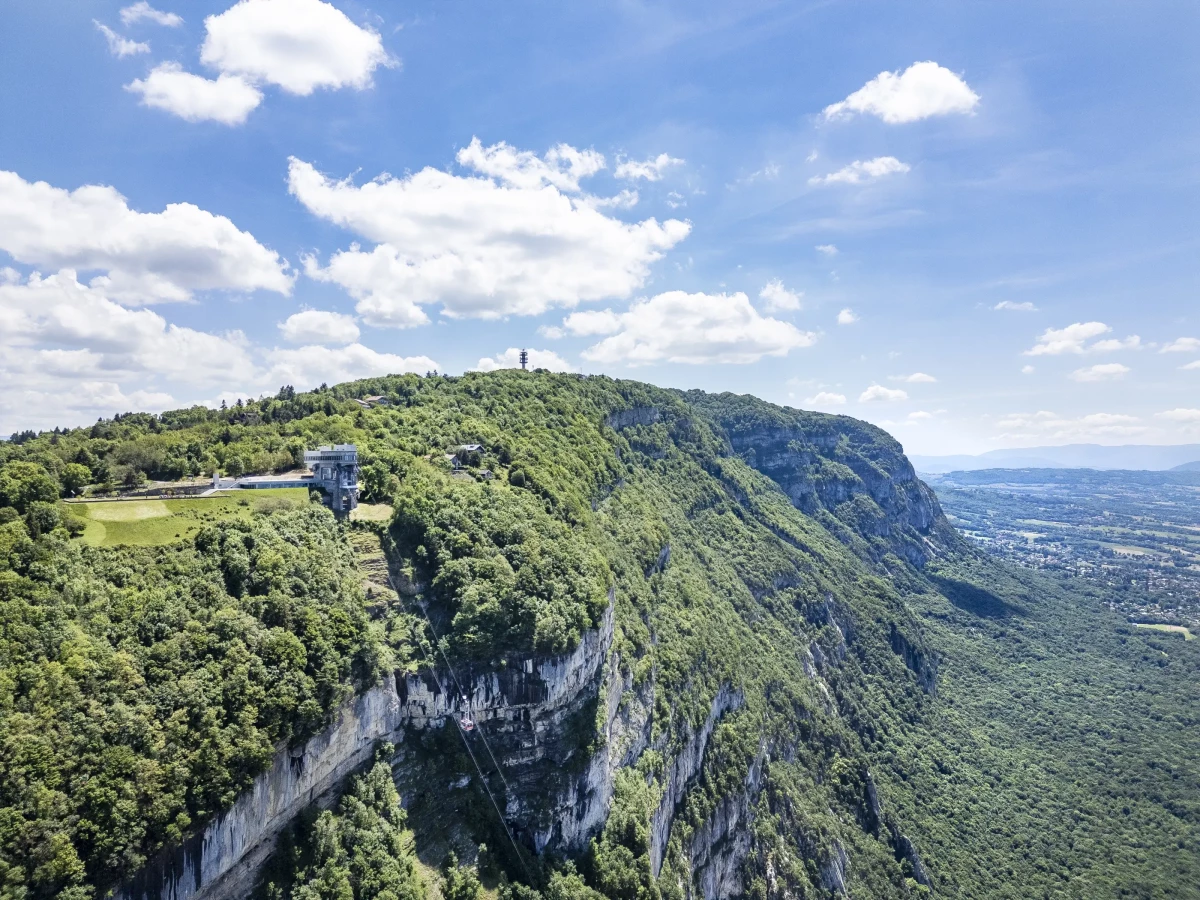
This approach is exemplified by projects such as the rehabilitation of the Tarterêt boiler house for the Quartier de Demain competitive dialogue, the rehabilitation of the Salève cable car, and the restoration of the Villa Arson. For each, we sought to develop a restorative methodology aimed at enhancing the habitability of the sites.
Written as part of the competitive dialogue for the Quartiers de Demain, the manifesto “De la réparation à l’habitabilité : méthode d’intervention sur le patrimoine bâti et paysager des QPV” sets out our approach.
Our approach builds on methodologies developed for listed historic monuments, while extending them to ordinary heritage, which constitutes the vast majority of our built environment and forms the everyday living framework of the population. Ordinary buildings are not merely assemblies of materials: they are places of collective memory, sociability, and habit. They host daily lives, modest uses, and invisible histories. Demolishing them without thoughtful consideration is also to erase the social and cultural bonds woven into them over time.
In a context of dwindling resources, climate crisis, and the imperative to reduce carbon emissions, these structures represent a substantial material and energy reservoir. They also constitute a form of social capital—a fabric of habitability that shapes spatial practices and human relationships. Each building concentrates a significant quantity of embodied energy—extracted, transformed, transported, assembled—but also an immaterial energy composed of uses, memories, and connections. This perspective aligns with our conviction: preserving the existing built environment means safeguarding an ecological resource and a shared living framework.
Preserving the built fabric, whether prestigious or modest, thus rests on a threefold rationale;
— heritage-based, when it carries historical, architectural, or cultural value;
— ecological and energy-based, as a reservoir of materials and embodied energy that would be wasteful to discard;
— social, as a support for uses, relationships, and collective life.
This approach is exemplified by projects such as the rehabilitation of the Tarterêt boiler house for the Quartier de Demain competitive dialogue, the rehabilitation of the Salève cable car, and the restoration of the Villa Arson. For each, we sought to develop a restorative methodology aimed at enhancing the habitability of the sites.
Written as part of the competitive dialogue for the Quartiers de Demain, the manifesto “De la réparation à l’habitabilité : méthode d’intervention sur le patrimoine bâti et paysager des QPV” sets out our approach.