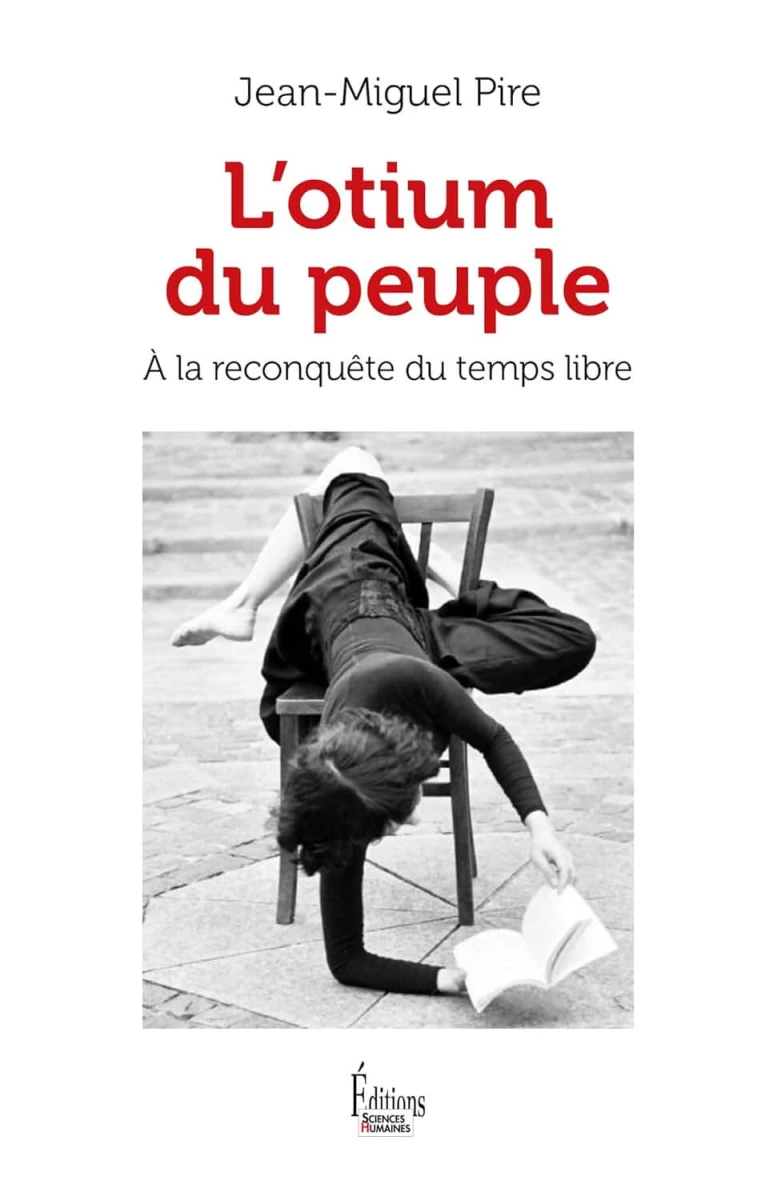
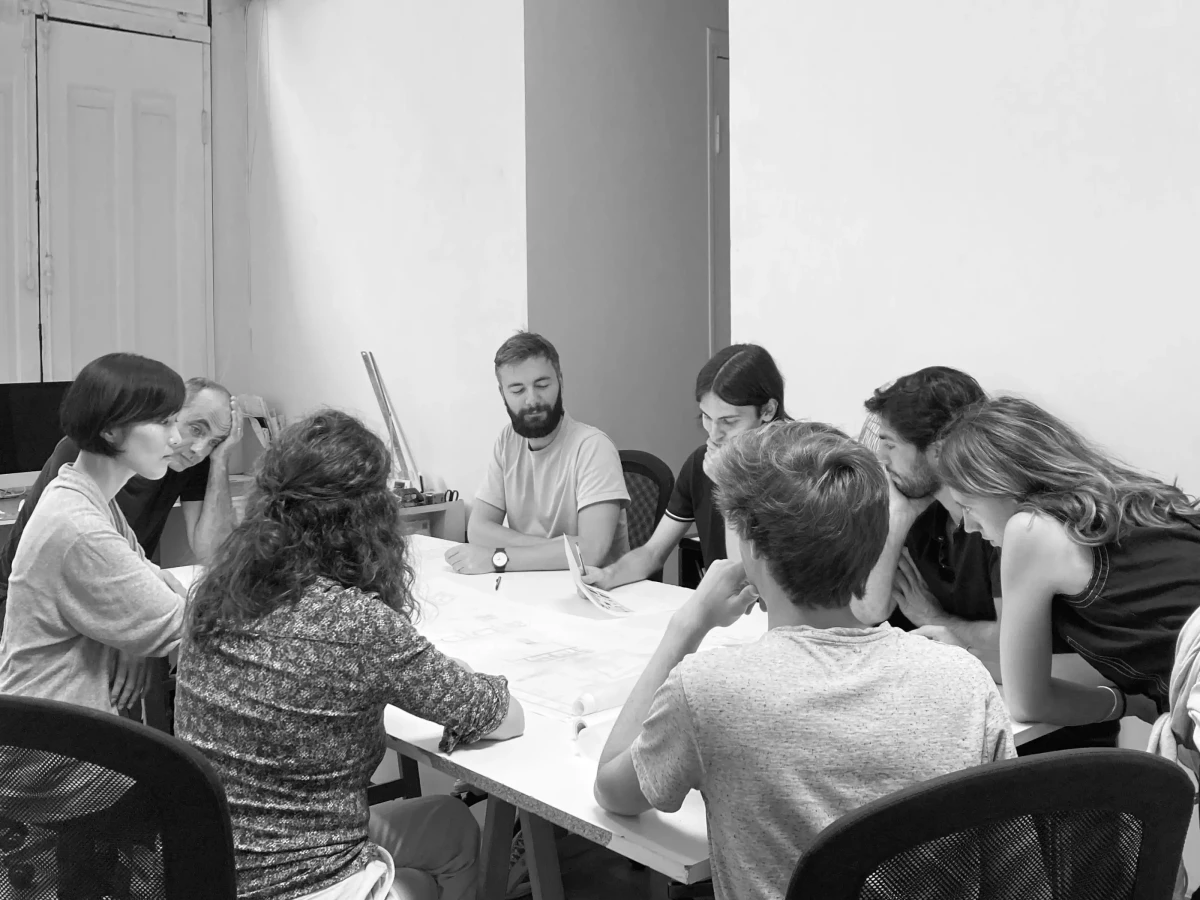
For the agency’s twentieth workshop, the sociologist and author of L’otium du peuple – À la reconquête du temps libre, Jean-Miguel Pire, spoke about the notion of free time, fertile time, otium. Through the concept of otium, the specialist revisited the choices made in restoration approaches—choices often reduced to technical considerations—by reframing them through a philosophical lens:
“It is possible — or, better, it is necessary — to attempt a reformulation of the definition of the word ‘restoration’, one that is more in keeping with contemporary challenges. As we know, this term — and the practice associated with it — has been interpreted in different ways over the centuries within the context of our European culture: from the humanist Renaissance (15th century) through to the historicist vision of the late 18th century, and finally to the critical and scientific approach that characterises the 20th century.
Today, after almost a century since the emergence of the so-called ‘scientific’ approach to restoration, we have not truly changed our relationship to the past nor the way we transmit its heritage (indeed, our era bears witness to a harmful drift towards the patrimonialisation and museification of monuments).
The waning of memory, the obsession with forgetting, simplification, and speed are traits of our culture that may well explain an overly Cartesian approach to restoration: the systematic reliance on a scientific method and the pursuit of aesthetically reassuring results. Let us therefore turn to a subject seemingly remote from more practical or technical concerns, yet one that appears to shape — even unconsciously — our way of interpreting and transmitting the heritage of the past: time.”
For the agency’s twentieth workshop, the sociologist and author of L’otium du peuple – À la reconquête du temps libre, Jean-Miguel Pire, spoke about the notion of free time, fertile time, otium. Through the concept of otium, the specialist revisited the choices made in restoration approaches—choices often reduced to technical considerations—by reframing them through a philosophical lens:
“It is possible — or, better, it is necessary — to attempt a reformulation of the definition of the word ‘restoration’, one that is more in keeping with contemporary challenges. As we know, this term — and the practice associated with it — has been interpreted in different ways over the centuries within the context of our European culture: from the humanist Renaissance (15th century) through to the historicist vision of the late 18th century, and finally to the critical and scientific approach that characterises the 20th century.
Today, after almost a century since the emergence of the so-called ‘scientific’ approach to restoration, we have not truly changed our relationship to the past nor the way we transmit its heritage (indeed, our era bears witness to a harmful drift towards the patrimonialisation and museification of monuments).
The waning of memory, the obsession with forgetting, simplification, and speed are traits of our culture that may well explain an overly Cartesian approach to restoration: the systematic reliance on a scientific method and the pursuit of aesthetically reassuring results. Let us therefore turn to a subject seemingly remote from more practical or technical concerns, yet one that appears to shape — even unconsciously — our way of interpreting and transmitting the heritage of the past: time.”