Natura 2000 forms the extensive European network dedicated to biodiversity preservation. It brings together over 27K terrestrial and marine sites, selected for the richness of their habitats and species, listed under the “Birds” and “Habitats-Fauna-Flora” directives. In France, nearly 13% of the metropolitan territory and 11% of its EEZ fall under this framework. Far from placing these areas under strict protection, Natura 2000 organises a balance between conservation and human activity: uses remain possible but must be assessed when they risk impacting sensitive environments. Management relies on strong local involvement: each site is overseen by a committee bringing together stakeholders, residents, scientists, and users, tasked with defining objectives, charters, and contracts, partially funded by the European Union. The network thus encourages a collective, sustainable, and pragmatic approach to protecting life.
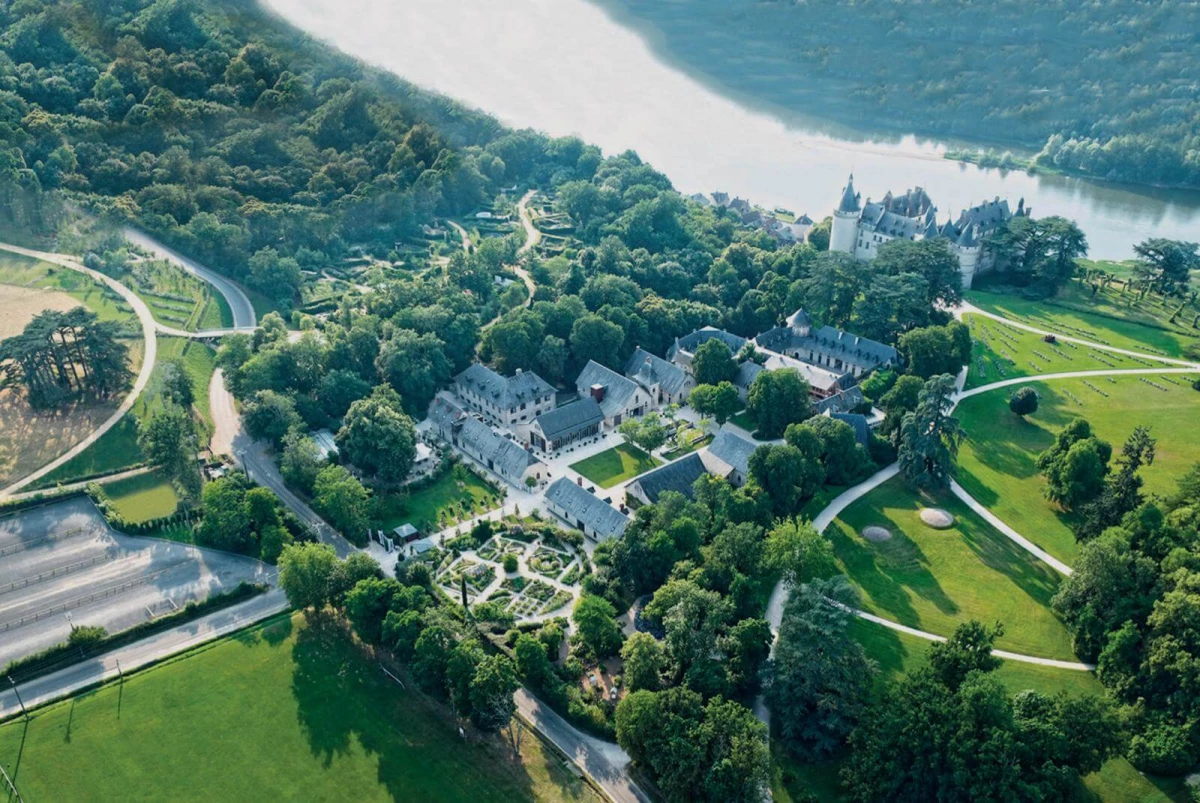
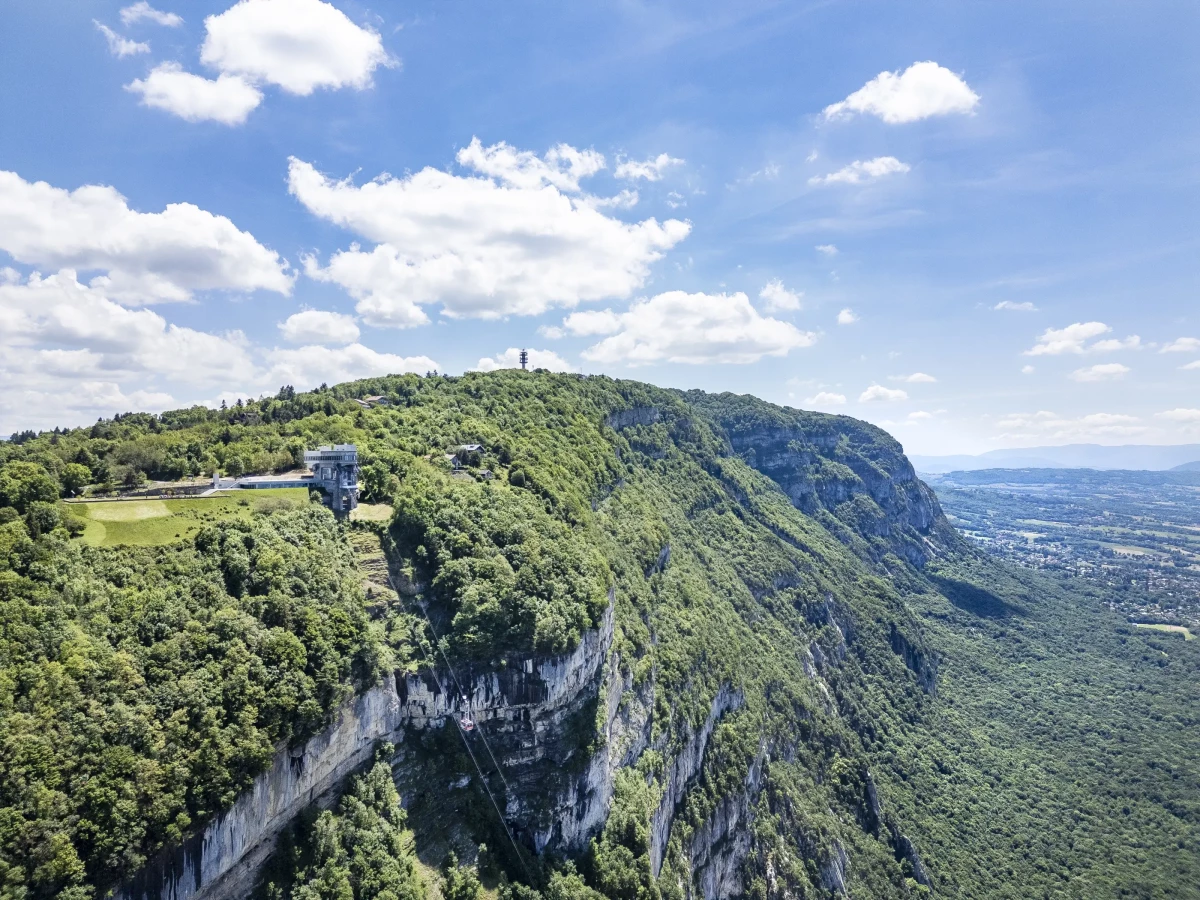
Working on a Natura 2000 site requires approaching each location as an ecosystem, where architecture, landscape, and uses must be balanced. For dd.a, this means combining heritage restoration, control of environmental impacts, and adaptation to climate change. Our projects, at Chaumont or the Salève, demonstrate how such contexts demand a nuanced reading of resources: responsible water management, wetland preservation, energy efficiency, durable materials — photovoltaics, energy flows, rainwater harvesting, and more. The goal is not merely to rehabilitate, but to redirect emblematic sites toward contemporary uses that are compatible with living systems. dd.a implements measured interventions, grounded in the realities of the site, to harmonise heritage requirements, quality of use, and environmental constraints.
Natura 2000 forms the extensive European network dedicated to biodiversity preservation. It brings together over 27K terrestrial and marine sites, selected for the richness of their habitats and species, listed under the “Birds” and “Habitats-Fauna-Flora” directives. In France, nearly 13% of the metropolitan territory and 11% of its EEZ fall under this framework. Far from placing these areas under strict protection, Natura 2000 organises a balance between conservation and human activity: uses remain possible but must be assessed when they risk impacting sensitive environments. Management relies on strong local involvement: each site is overseen by a committee bringing together stakeholders, residents, scientists, and users, tasked with defining objectives, charters, and contracts, partially funded by the European Union. The network thus encourages a collective, sustainable, and pragmatic approach to protecting life.
Working on a Natura 2000 site requires approaching each location as an ecosystem, where architecture, landscape, and uses must be balanced. For dd.a, this means combining heritage restoration, control of environmental impacts, and adaptation to climate change. Our projects, at Chaumont or the Salève, demonstrate how such contexts demand a nuanced reading of resources: responsible water management, wetland preservation, energy efficiency, durable materials — photovoltaics, energy flows, rainwater harvesting, and more. The goal is not merely to rehabilitate, but to redirect emblematic sites toward contemporary uses that are compatible with living systems. dd.a implements measured interventions, grounded in the realities of the site, to harmonise heritage requirements, quality of use, and environmental constraints.