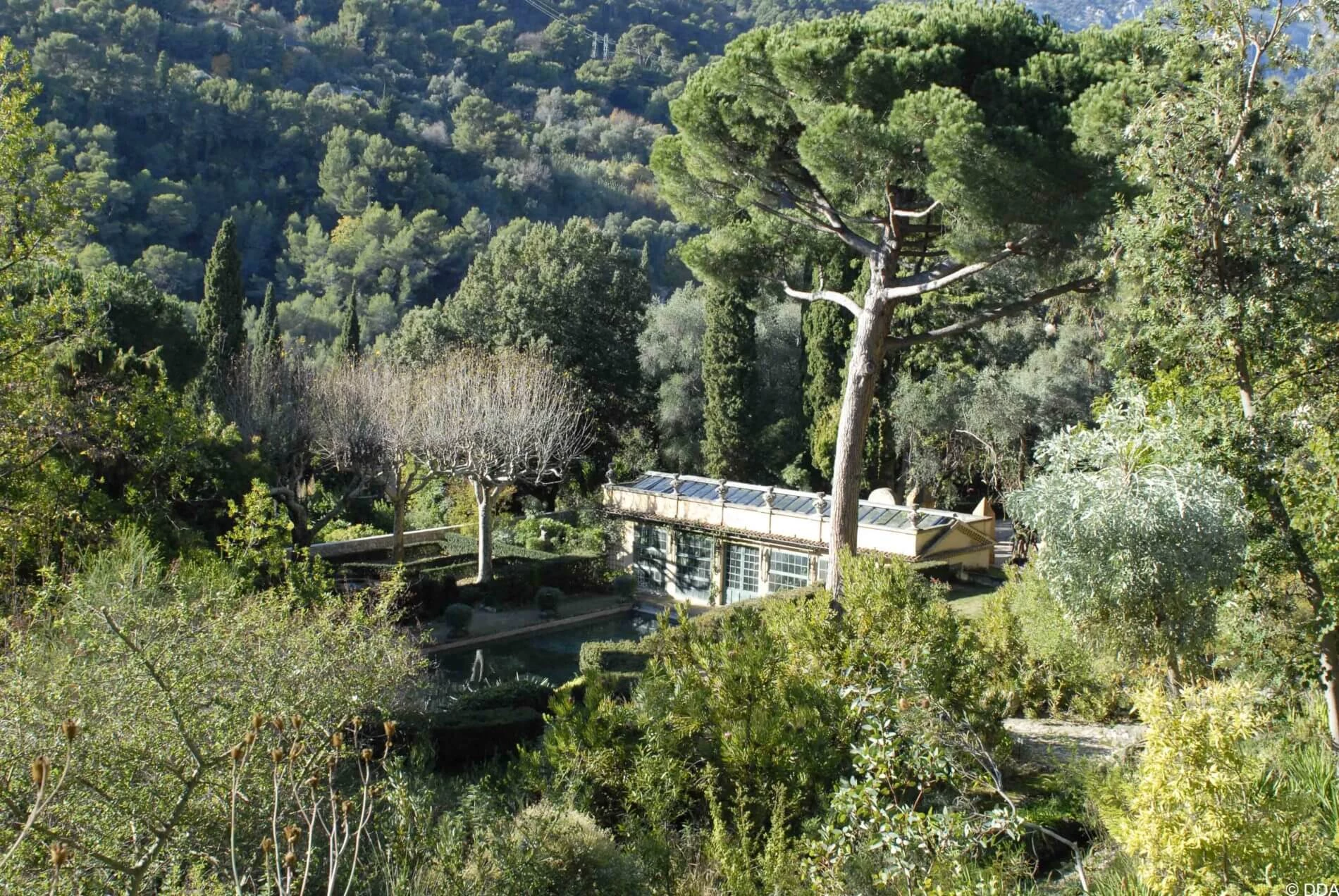
Created in 2004 at the proposal of the National Council of Parks and Gardens, the “Jardin Remarquable” label recognises parks and gardens — public or private — that hold cultural, historical, aesthetic, or botanical interest. The designation is based on a regional procedure overseen by the DRAC, combining documentary analysis with an assessment of composition, site integration, notable elements, and maintenance quality. The label promotes public access and encourages the implementation of educational and cultural activities. It provides greater visibility through official communication and signage, while also fostering consideration within local urban planning policies. The distinction relies on a balance between heritage value, environmental quality, and visitor capacity — a national standard recognising living plant heritage as a cultural actor.
Within this framework, dd.a’s work approaches gardens as ecosystems and cultural legacies to be preserved. Projects combine the restoration of historical structures — terraces, ponds, stone or timber constructions — with adaptations to contemporary uses and new visitor pathways, while incorporating sustainable water and biodiversity management. Technical and material choices, such as lightweight compartment walls or redesigned irrigation systems, aim to ensure the longevity of interventions while minimising ecological impact. Through these landscapes, dd.a is committed to maintaining historical coherence, strengthening botanical and landscape identities, and making gardens accessible and understandable to the public; rethinking signage, educational routes, and enhancing plant collections.
Created in 2004 at the proposal of the National Council of Parks and Gardens, the “Jardin Remarquable” label recognises parks and gardens — public or private — that hold cultural, historical, aesthetic, or botanical interest. The designation is based on a regional procedure overseen by the DRAC, combining documentary analysis with an assessment of composition, site integration, notable elements, and maintenance quality. The label promotes public access and encourages the implementation of educational and cultural activities. It provides greater visibility through official communication and signage, while also fostering consideration within local urban planning policies. The distinction relies on a balance between heritage value, environmental quality, and visitor capacity — a national standard recognising living plant heritage as a cultural actor.
Within this framework, dd.a’s work approaches gardens as ecosystems and cultural legacies to be preserved. Projects combine the restoration of historical structures — terraces, ponds, stone or timber constructions — with adaptations to contemporary uses and new visitor pathways, while incorporating sustainable water and biodiversity management. Technical and material choices, such as lightweight compartment walls or redesigned irrigation systems, aim to ensure the longevity of interventions while minimising ecological impact. Through these landscapes, dd.a is committed to maintaining historical coherence, strengthening botanical and landscape identities, and making gardens accessible and understandable to the public; rethinking signage, educational routes, and enhancing plant collections.