Faced with environmental, social, cultural and economic changes, local authorities, institutions and project owners are now being forced to consider the capacity of their built heritage to adapt.
Transforming existing structures involves bringing together multiple dimensions: changing uses, heritage qualities, environmental challenges, economic constraints, social expectations and the adaptability of buildings and local areas. These challenges require taking a step back, clarifying choices and developing a strategy in line with the changes underway and the adaptations they demand.
This is the purpose of the strategic consultancy services provided by Devaux & Devaux Architectes: to analyse the existing situation, understand the challenges, reveal the potential, put the possibilities into perspective, and support clients in decision-making and the development of a shared vision. Heritage studies, master plans, programming strategies, feasibility studies and transformation scenarios are all tools that support this approach.
Our approach to strategic consultancy draws on three complementary areas of expertise:
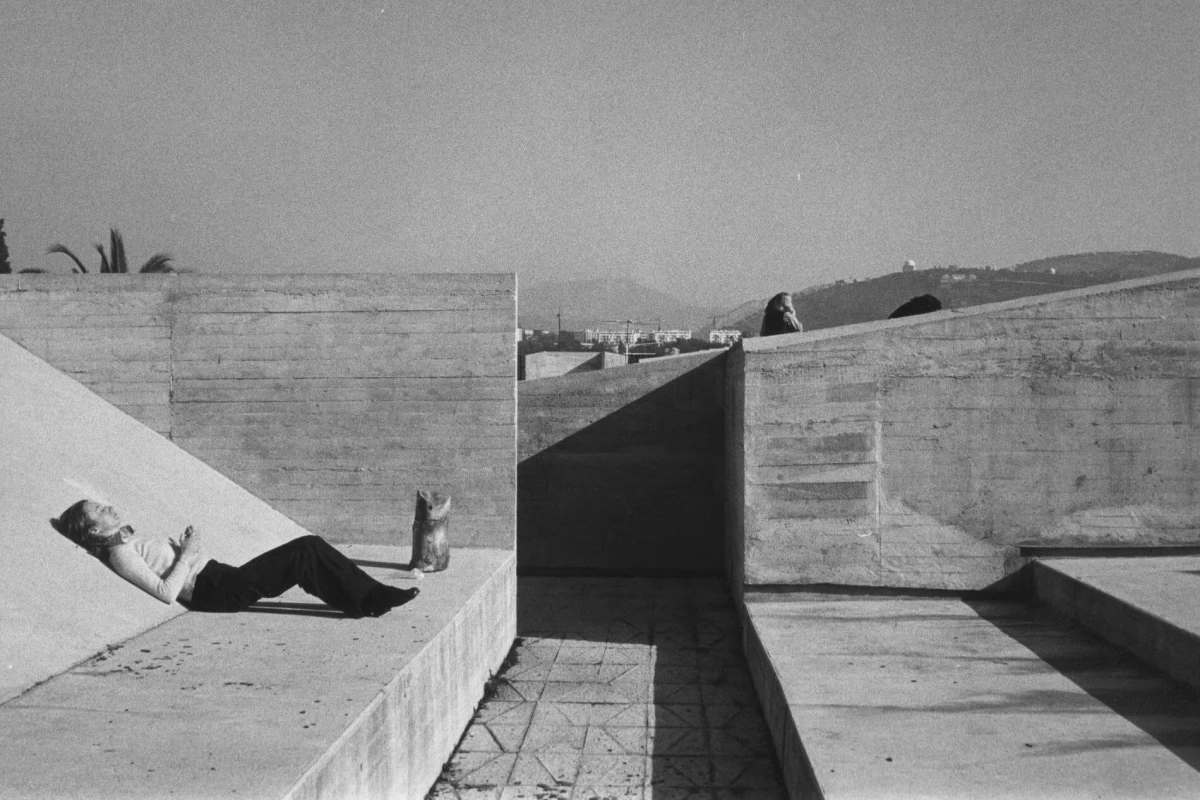
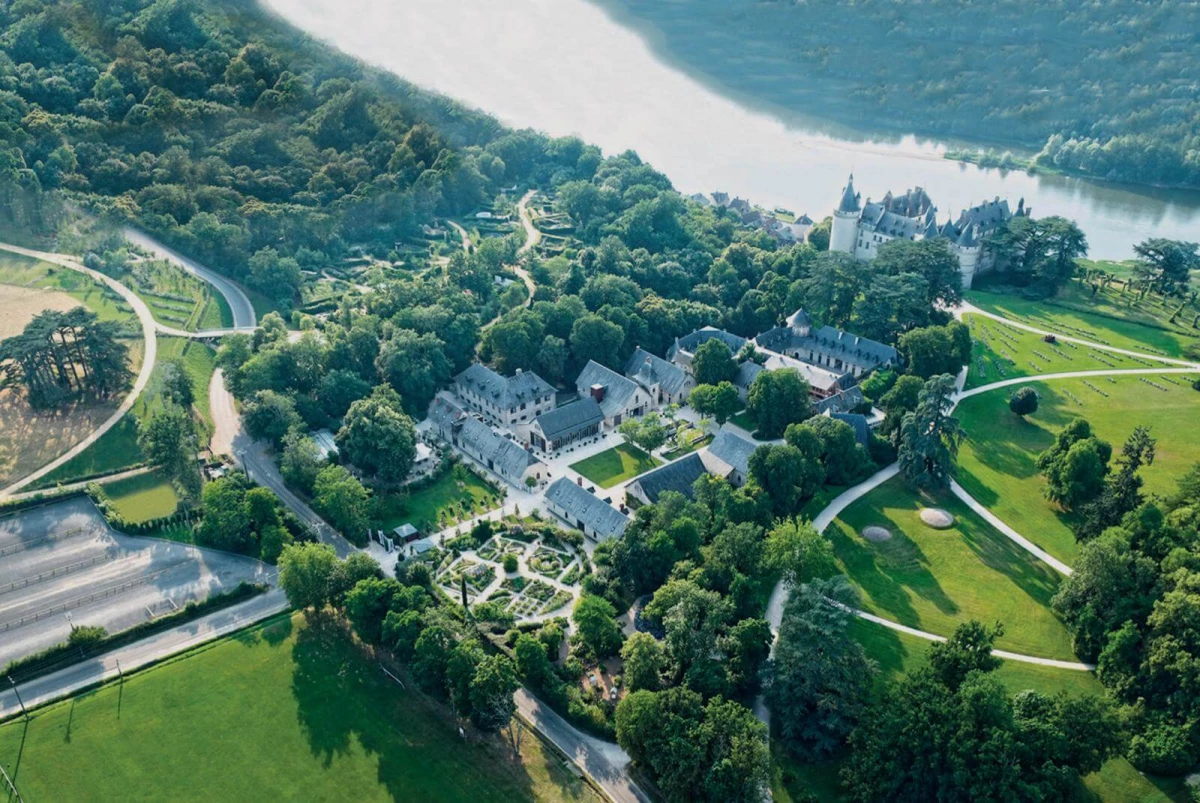
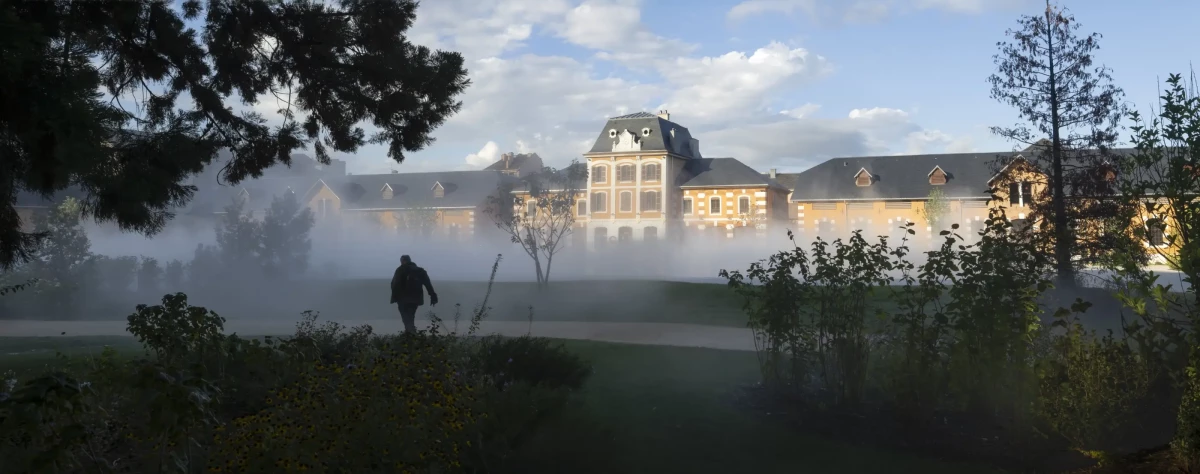
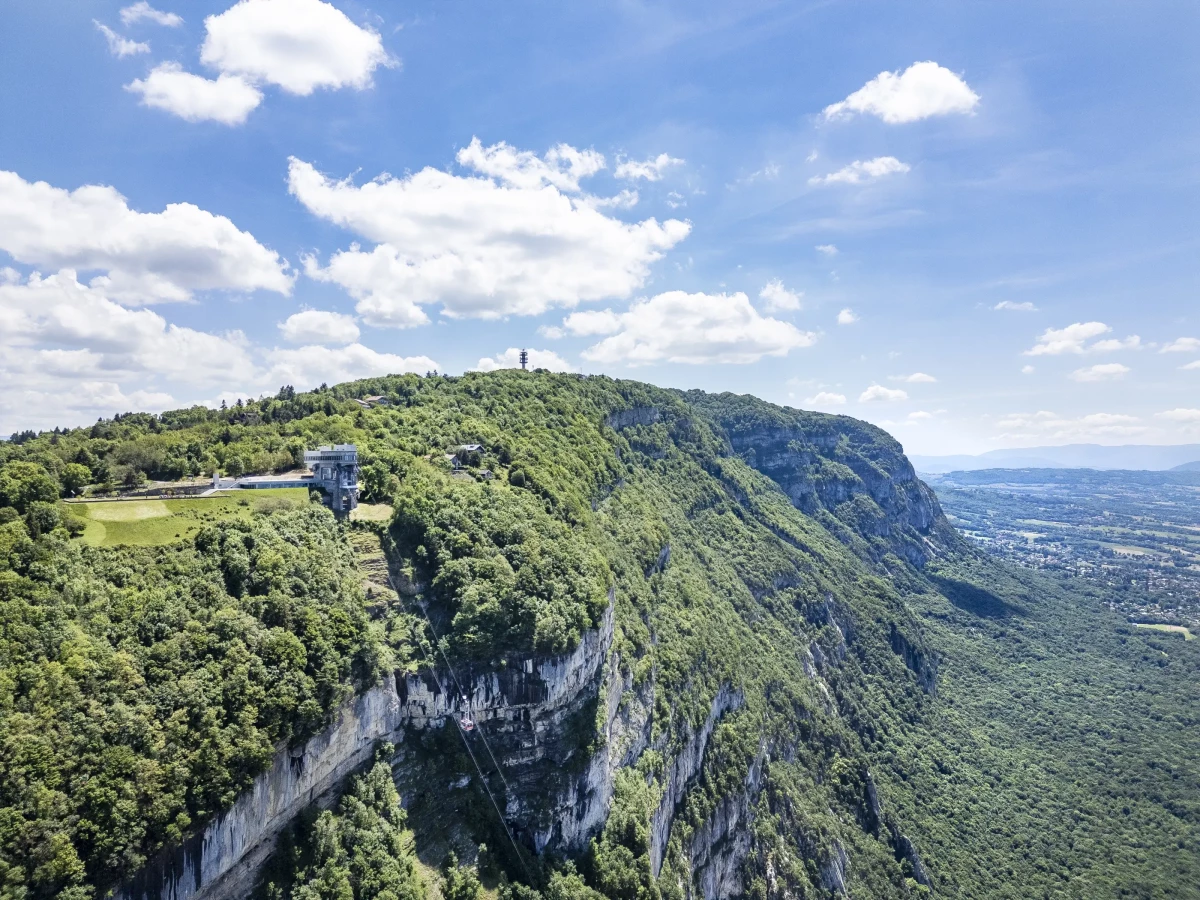
· Recognised expertise in project management and the transformation of existing structures, ranging from modern heritage sites to listed buildings. From the Haras d’Annecy, transformed into the Cité internationale du cinéma d’animation, to the Salève cable car, and from the Domaine de Chaumont-sur-Loire to the Villa Arson, each project invites us to listen, observe and analyse carefully what is already there, in order to reveal its qualities and potential. An approach notably recognised with the 2024 Équerre d’Argent award for the regeneration of the Salève Cable Car.
· An institutional consultancy practice, notably through David Devaux’s experience as a State Architectural Adviser, which enables us to take a step back, question the relevance of choices and situate each intervention within the context of a heritage site, a location or a region.
· Research and teaching, notably within the ADHER laboratory led by Claudia Devaux at EPFL, which inform our understanding of contemporary changes and the challenges they pose to architecture, uses and the transformation of the existing built environment.
These experiences do not constitute three separate activities. The way they are interlinked enhances our capacity for consultancy.
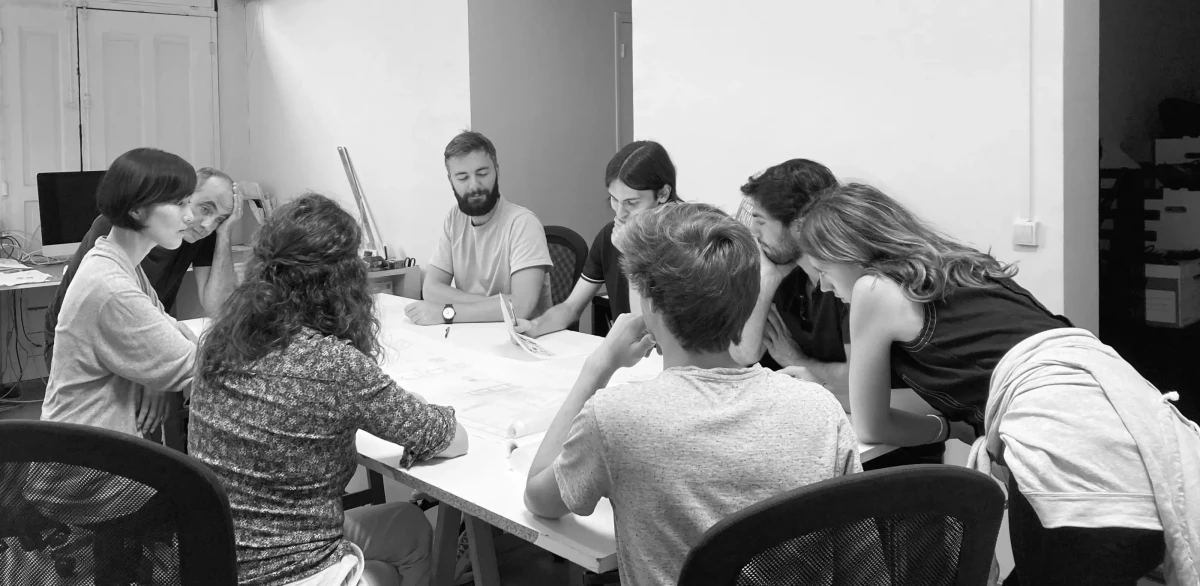
Strategic consultancy is also a process of listening and mediation. Elected representatives, senior management, departments, service users, experts and partners each bring different knowledge, expectations and timeframes to the table. Bringing them together, comparing viewpoints and identifying areas of common ground are essential for developing an informed vision. The project remains at the heart of this process. It enables us to explore possibilities, test hypotheses, inform decision-making and give tangible form to the vision.
For a built environment is not merely a collection of buildings, spaces or investments. It constitutes a framework for living and for relationships; it accommodates various uses and contributes to the quality of life of those who live in it, visit it or work there.
This is the essence of our strategic consultancy work: to support clients in developing a shared strategy and vision capable of guiding the adaptation and transformation of their property portfolio.
Faced with environmental, social, cultural and economic changes, local authorities, institutions and project owners are now being forced to consider the capacity of their built heritage to adapt.
Transforming existing structures involves bringing together multiple dimensions: changing uses, heritage qualities, environmental challenges, economic constraints, social expectations and the adaptability of buildings and local areas. These challenges require taking a step back, clarifying choices and developing a strategy in line with the changes underway and the adaptations they demand.
This is the purpose of the strategic consultancy services provided by Devaux & Devaux Architectes: to analyse the existing situation, understand the challenges, reveal the potential, put the possibilities into perspective, and support clients in decision-making and the development of a shared vision. Heritage studies, master plans, programming strategies, feasibility studies and transformation scenarios are all tools that support this approach.
Our approach to strategic consultancy draws on three complementary areas of expertise:
· Recognised expertise in project management and the transformation of existing structures, ranging from modern heritage sites to listed buildings. From the Haras d’Annecy, transformed into the Cité internationale du cinéma d’animation, to the Salève cable car, and from the Domaine de Chaumont-sur-Loire to the Villa Arson, each project invites us to listen, observe and analyse carefully what is already there, in order to reveal its qualities and potential. An approach notably recognised with the 2024 Équerre d’Argent award for the regeneration of the Salève Cable Car.
· An institutional consultancy practice, notably through David Devaux’s experience as a State Architectural Adviser, which enables us to take a step back, question the relevance of choices and situate each intervention within the context of a heritage site, a location or a region.
· Research and teaching, notably within the ADHER laboratory led by Claudia Devaux at EPFL, which inform our understanding of contemporary changes and the challenges they pose to architecture, uses and the transformation of the existing built environment.
These experiences do not constitute three separate activities. The way they are interlinked enhances our capacity for consultancy.
Strategic consultancy is also a process of listening and mediation. Elected representatives, senior management, departments, service users, experts and partners each bring different knowledge, expectations and timeframes to the table. Bringing them together, comparing viewpoints and identifying areas of common ground are essential for developing an informed vision. The project remains at the heart of this process. It enables us to explore possibilities, test hypotheses, inform decision-making and give tangible form to the vision.
For a built environment is not merely a collection of buildings, spaces or investments. It constitutes a framework for living and for relationships; it accommodates various uses and contributes to the quality of life of those who live in it, visit it or work there.
This is the essence of our strategic consultancy work: to support clients in developing a shared strategy and vision capable of guiding the adaptation and transformation of their property portfolio.