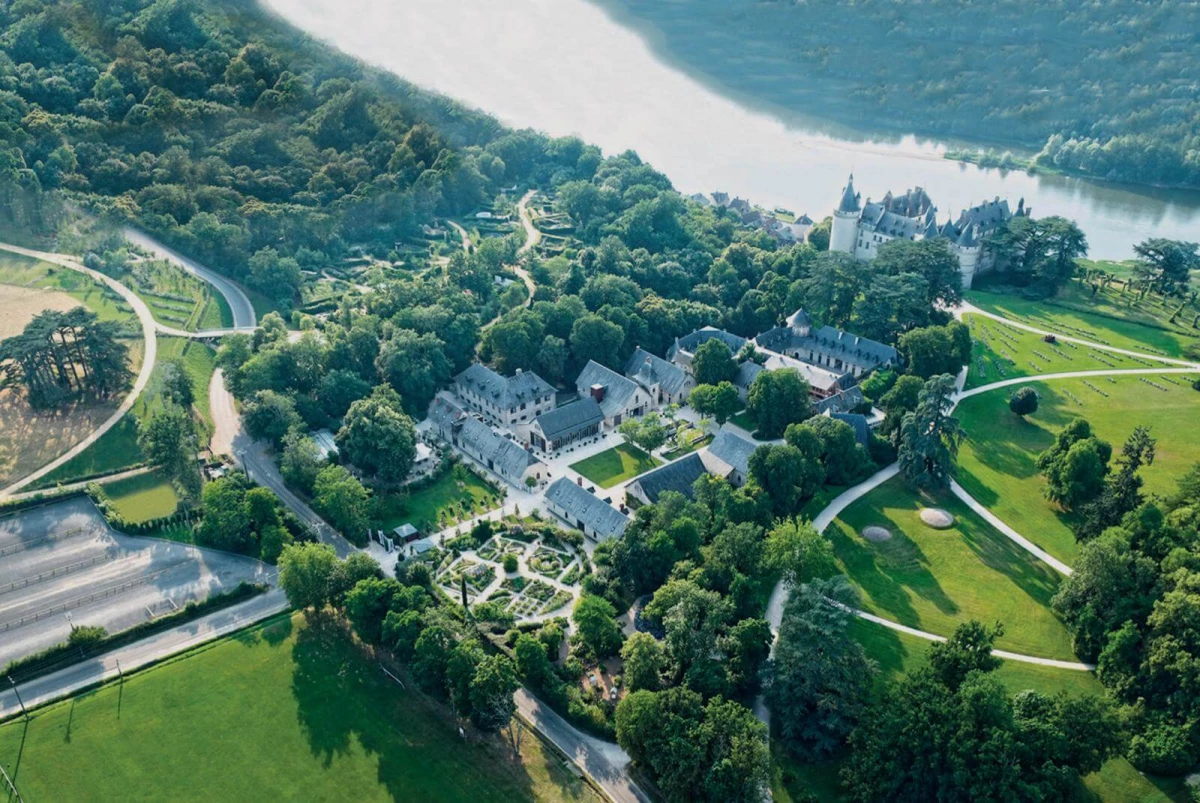
The Domaine de Chaumont is rooted in a heritage built between the 17th and late 19th centuries, during which the château opened onto the Loire and was complemented by a 35-hectare park, stables, and a farm. Since 1992, it has housed the International Conservatory of Parks, Gardens and Landscape, as well as the International Garden Festival, where twenty-four conceptual landscape installations are presented each year. Becoming a Centre for Art and Nature in 2007 and classified as a Natura 2000 site, the estate now faces challenges linked to its triple identity—artistic, horticultural, and heritage—particularly in managing growing tourism, adapting to environmental requirements, and implementing a considered approach to water management.
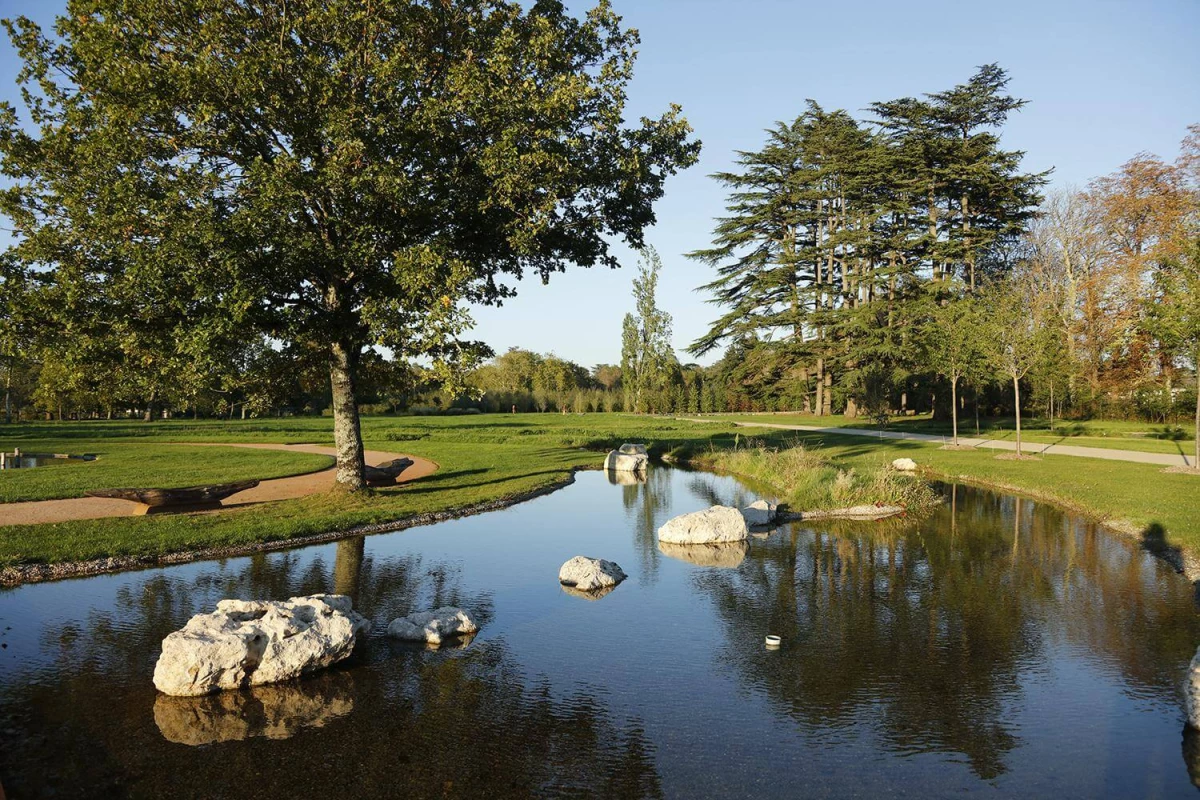
The ongoing mission on the site focuses both on the restoration of the buildings listed as Historic Monuments and on the entire landscape of the estate. Interventions pay particular attention to water, examining existing ecosystems and the relationships between vegetation and water resources, in a context where the groundwater table is no longer sufficient to maintain the park. This work includes exploring systems for collecting and storing water flowing toward the Loire, creating an irrigation network, and gradually adapting the historic plant heritage—particularly century-old trees and species associated with wetland areas—towards varieties capable of withstanding lower rainfall, with the aim of reducing irrigation to four hectares.
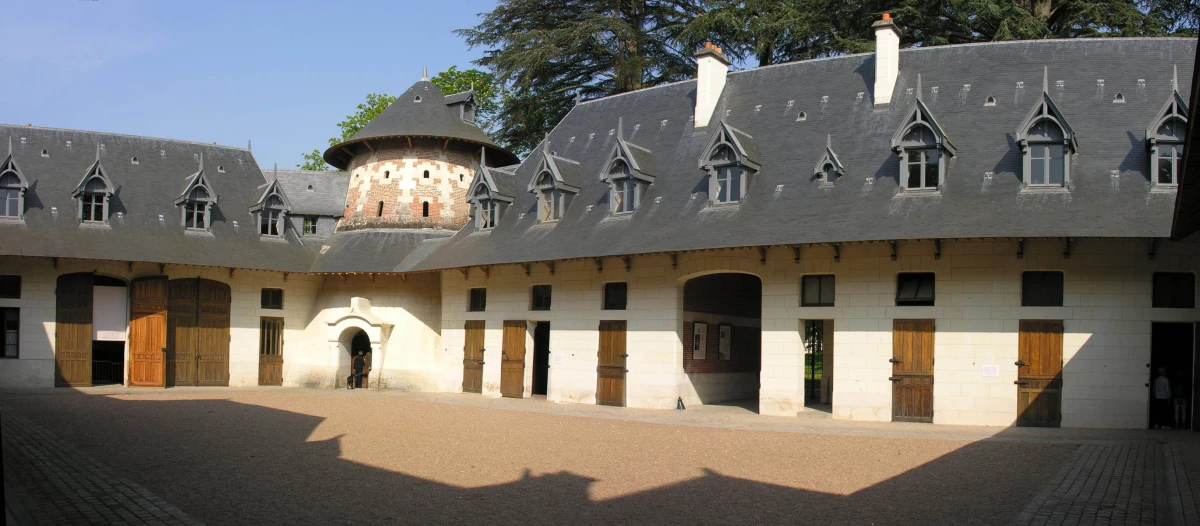
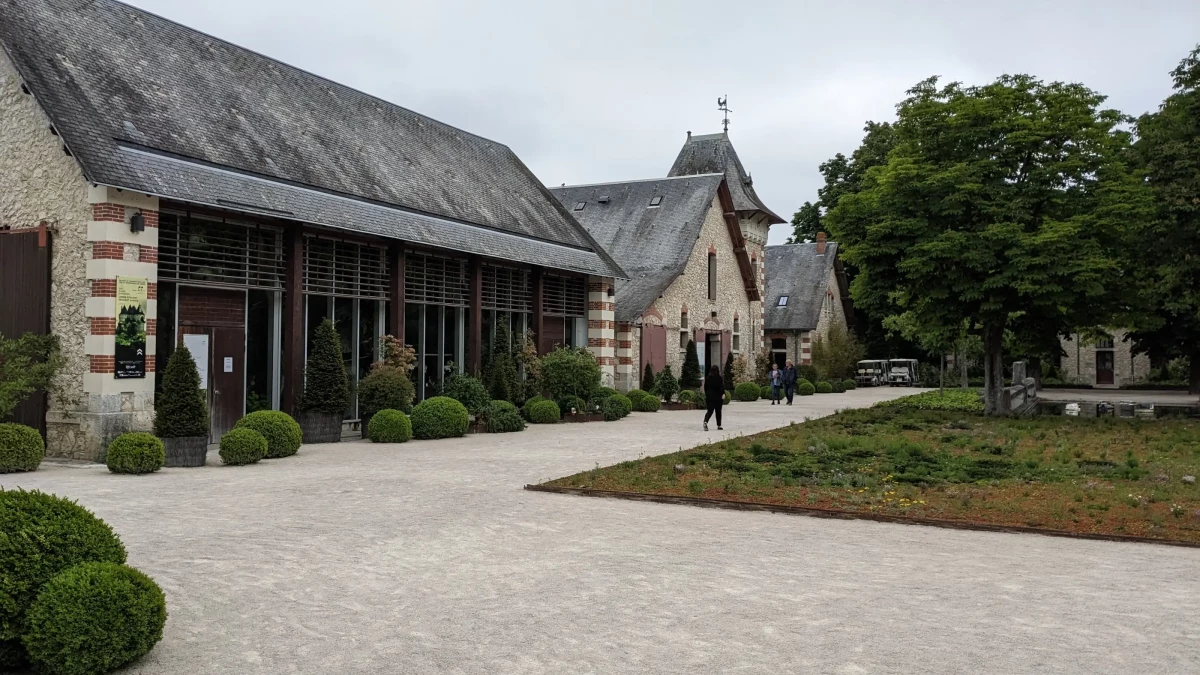
The overall project is structured through a framework agreement, allowing interventions to be carried out in stages. The initial phases focus on accessibility and the comfort of village residents, including the refurbishment of the existing car park and the creation of a second parking area in the village, designed to protect flora and encourage soft mobility. Subsequent phases concern the built heritage—restoration of the château and its second floor, fire safety upgrades, enhancement of the Cour d’Honneur, works on the stables, farm buildings, and attached barns, improvement of accessibility, and development of the south entrance. In parallel, several landscape works are underway: restoration of the historic park, of the festival garden according to its original design, continuation of works in the Pré du Goualoup, consolidation of the hillside, management of runoff, and development of the valley, situating the entire project within a broader reflection on the close relationship architecture holds with its environment.
The Domaine de Chaumont is rooted in a heritage built between the 17th and late 19th centuries, during which the château opened onto the Loire and was complemented by a 35-hectare park, stables, and a farm. Since 1992, it has housed the International Conservatory of Parks, Gardens and Landscape, as well as the International Garden Festival, where twenty-four conceptual landscape installations are presented each year. Becoming a Centre for Art and Nature in 2007 and classified as a Natura 2000 site, the estate now faces challenges linked to its triple identity—artistic, horticultural, and heritage—particularly in managing growing tourism, adapting to environmental requirements, and implementing a considered approach to water management.
The ongoing mission on the site focuses both on the restoration of the buildings listed as Historic Monuments and on the entire landscape of the estate. Interventions pay particular attention to water, examining existing ecosystems and the relationships between vegetation and water resources, in a context where the groundwater table is no longer sufficient to maintain the park. This work includes exploring systems for collecting and storing water flowing toward the Loire, creating an irrigation network, and gradually adapting the historic plant heritage—particularly century-old trees and species associated with wetland areas—towards varieties capable of withstanding lower rainfall, with the aim of reducing irrigation to four hectares.
The overall project is structured through a framework agreement, allowing interventions to be carried out in stages. The initial phases focus on accessibility and the comfort of village residents, including the refurbishment of the existing car park and the creation of a second parking area in the village, designed to protect flora and encourage soft mobility. Subsequent phases concern the built heritage—restoration of the château and its second floor, fire safety upgrades, enhancement of the Cour d’Honneur, works on the stables, farm buildings, and attached barns, improvement of accessibility, and development of the south entrance. In parallel, several landscape works are underway: restoration of the historic park, of the festival garden according to its original design, continuation of works in the Pré du Goualoup, consolidation of the hillside, management of runoff, and development of the valley, situating the entire project within a broader reflection on the close relationship architecture holds with its environment.
Carpe Hortem, landscaper
Coefficient, economist.