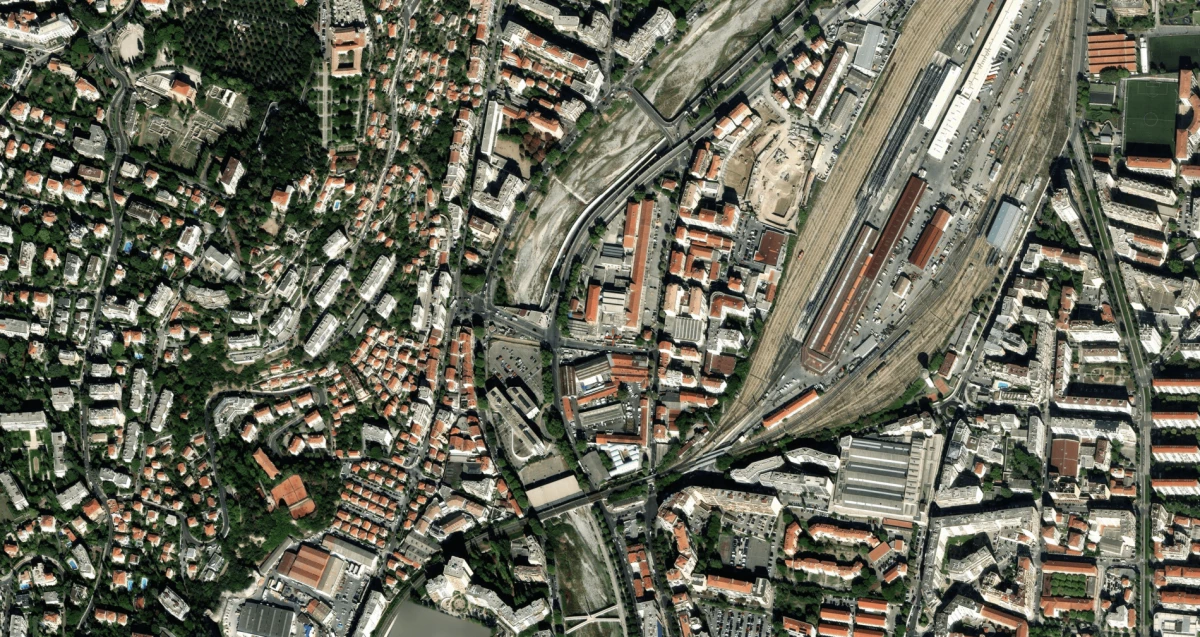
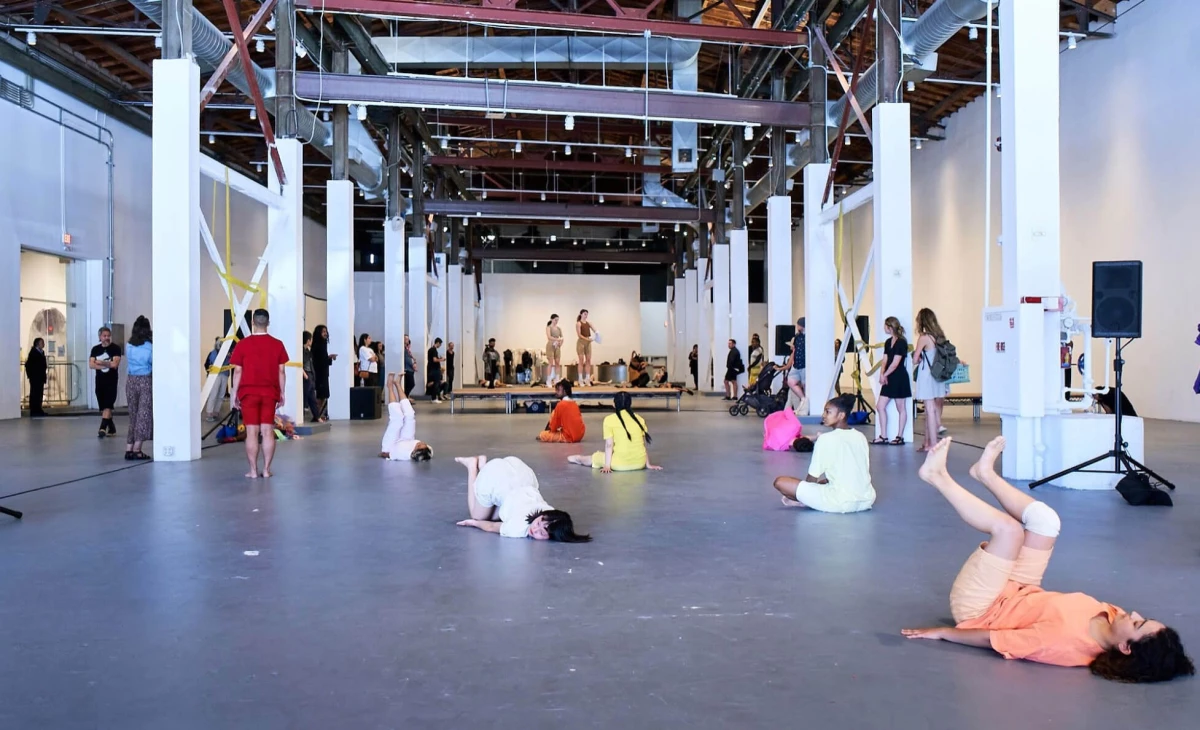
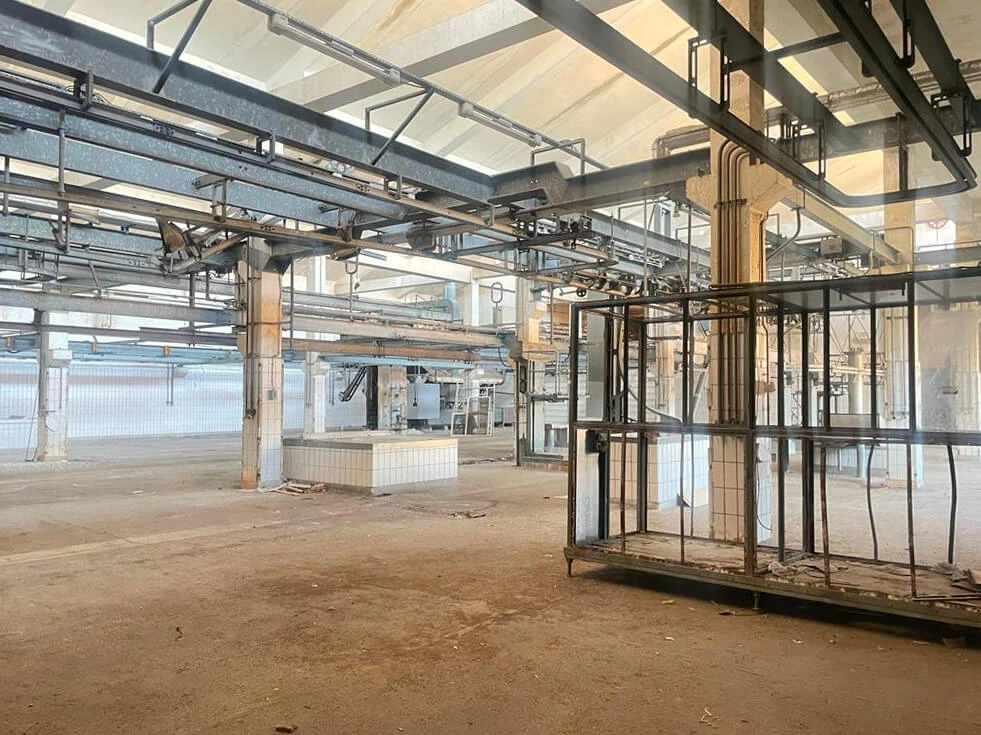
Formerly the site of slaughterhouses built between 1957 and 1967, Le 109 underwent a major turning point in 2009 when the City of Nice transformed it into an artistic hub, hosting collectives, workshops, and a diverse programme of concerts, exhibitions, lectures, and festivals. With 18,000 sqm of built space on 2.3 hectares at the city entrance, now served by the new tram line, the site occupies a strategic position at the heart of urban development. As part of the European Capital of Culture 2028 bid and aligned with the University Côte d’Azur’s strategy, Le 109 has become a major lever for cultural and territorial transformation. In this context, the City and the University were supported through Project Management Support (PMS) to initiate reflection on their renewal.
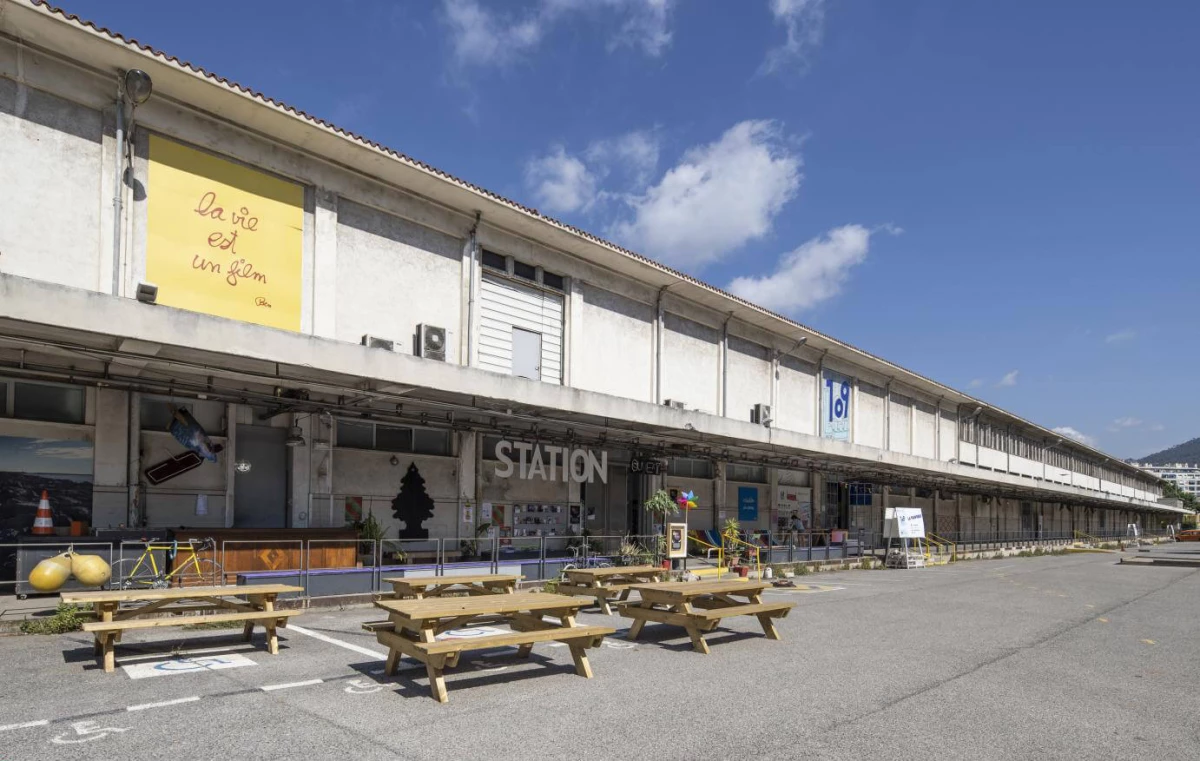
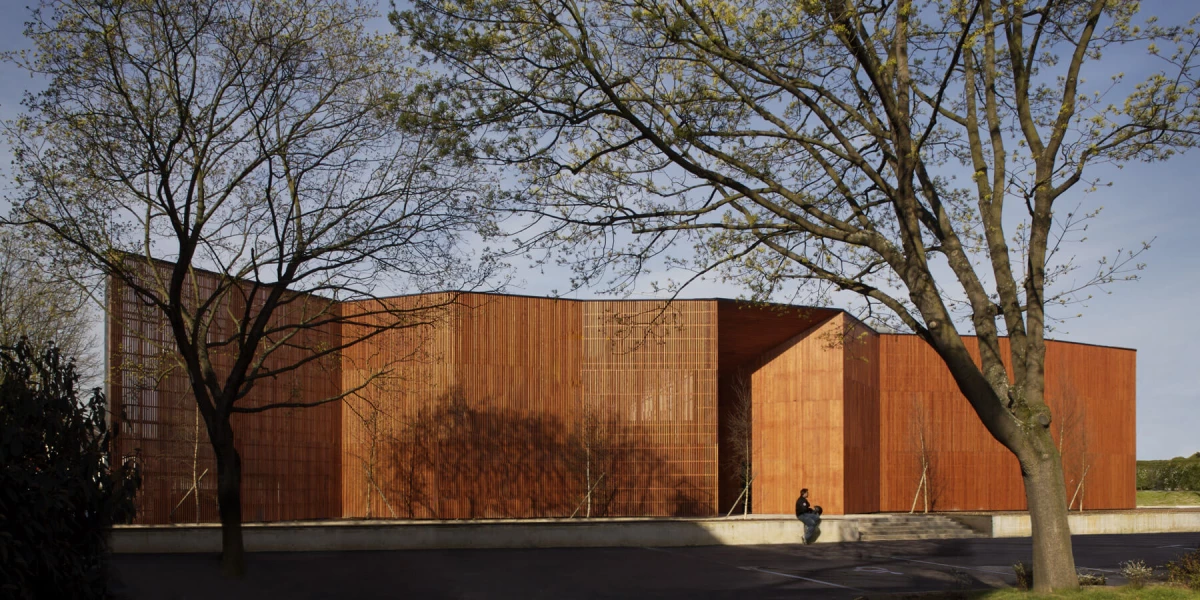
The originality of the project lies in the introduction of a new central actor: the Université Côte d’Azur. By connecting the academic, artistic, professional, and public worlds, Le 109 becomes a space for disciplinary, generational, and cultural crossovers. Designed as a true cultural campus open to its surroundings, the site is intended to host spaces for creation, training, mediation, and dissemination, allowing experimentation with new forms of artistic learning and practice. Most existing buildings are preserved and adapted—following ecological, economic, ethical, and aesthetic principles—to accommodate three main domains: visual arts, sound and image, and performing arts, while encouraging transversal interactions between these fields. The monumental linear form of the main hall along the Route de Turin, acting as a horizontal signal for the site, plays a major role in this redevelopment.
Envisioned as an experimental ground for youth, the future Le 109 is intended to be a place where ideas are tested, experienced, and shared: a space where creation unfolds like in a scientific laboratory, but at the scale of everyday life and the city. The renewal strategy is thus based on a dynamic, inclusive, and accessible model, open at all times, with a constantly evolving programme. The study conducted with the City of Nice, the University, and the resident collectives allowed the development of an initial action plan and the outline of an overall programming strategy, preserving the spirit of the place while enhancing its influence. Inspired by major international campuses such as the Institute of Arts in New York or Stockholm, the project aims to establish Le 109 as a European-recognised campus of academic excellence dedicated to contemporary creation.
Formerly the site of slaughterhouses built between 1957 and 1967, Le 109 underwent a major turning point in 2009 when the City of Nice transformed it into an artistic hub, hosting collectives, workshops, and a diverse programme of concerts, exhibitions, lectures, and festivals. With 18,000 sqm of built space on 2.3 hectares at the city entrance, now served by the new tram line, the site occupies a strategic position at the heart of urban development. As part of the European Capital of Culture 2028 bid and aligned with the University Côte d’Azur’s strategy, Le 109 has become a major lever for cultural and territorial transformation. In this context, the City and the University were supported through Project Management Support (PMS) to initiate reflection on their renewal.
The originality of the project lies in the introduction of a new central actor: the Université Côte d’Azur. By connecting the academic, artistic, professional, and public worlds, Le 109 becomes a space for disciplinary, generational, and cultural crossovers. Designed as a true cultural campus open to its surroundings, the site is intended to host spaces for creation, training, mediation, and dissemination, allowing experimentation with new forms of artistic learning and practice. Most existing buildings are preserved and adapted—following ecological, economic, ethical, and aesthetic principles—to accommodate three main domains: visual arts, sound and image, and performing arts, while encouraging transversal interactions between these fields. The monumental linear form of the main hall along the Route de Turin, acting as a horizontal signal for the site, plays a major role in this redevelopment.
Envisioned as an experimental ground for youth, the future Le 109 is intended to be a place where ideas are tested, experienced, and shared: a space where creation unfolds like in a scientific laboratory, but at the scale of everyday life and the city. The renewal strategy is thus based on a dynamic, inclusive, and accessible model, open at all times, with a constantly evolving programme. The study conducted with the City of Nice, the University, and the resident collectives allowed the development of an initial action plan and the outline of an overall programming strategy, preserving the spirit of the place while enhancing its influence. Inspired by major international campuses such as the Institute of Arts in New York or Stockholm, the project aims to establish Le 109 as a European-recognised campus of academic excellence dedicated to contemporary creation.
Café programmation, programmer
Le Troisième Pôle, cultural engineering