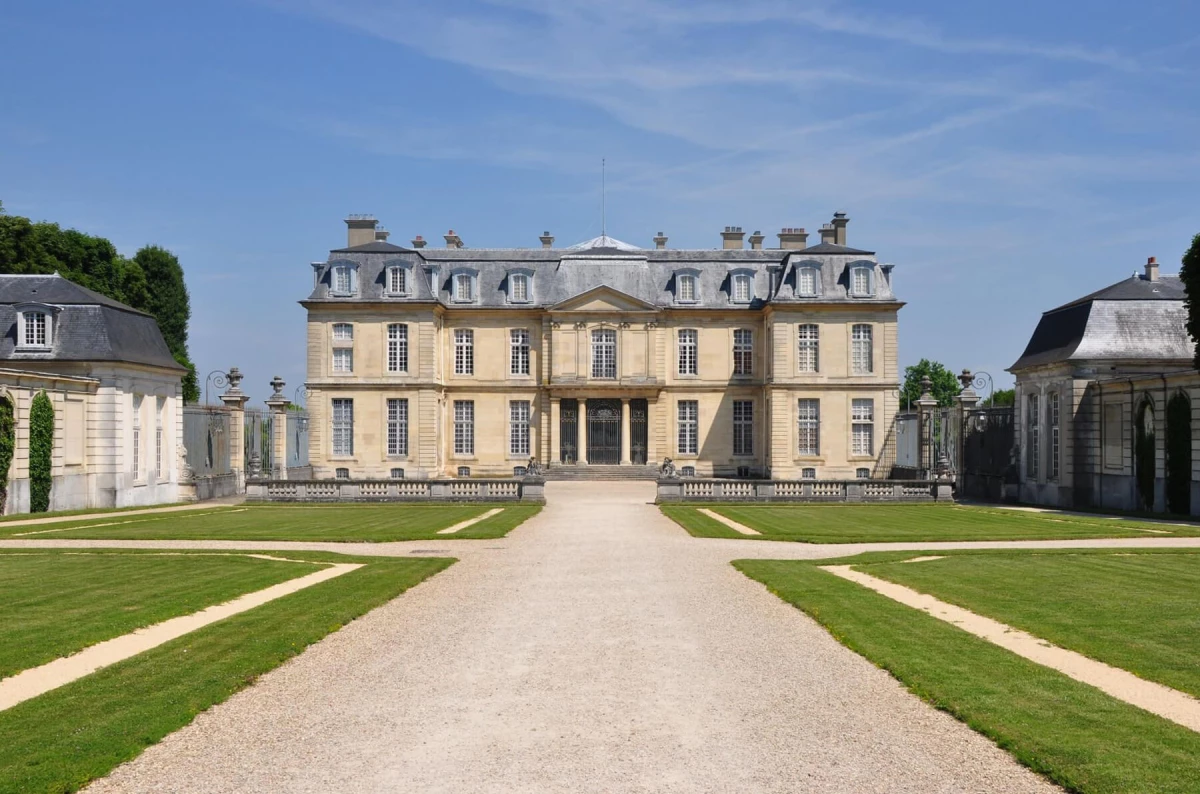
As part of the National Monuments Centre’s national programme dedicated to improving visitor reception areas, the project concerns the construction of a temporary pavilion for the Château de Champs-sur-Marne, which reopened to the public in 2013 after a major restoration campaign. Designed to accompany this reopening, the building brings together the site’s ticket office and bookshop.
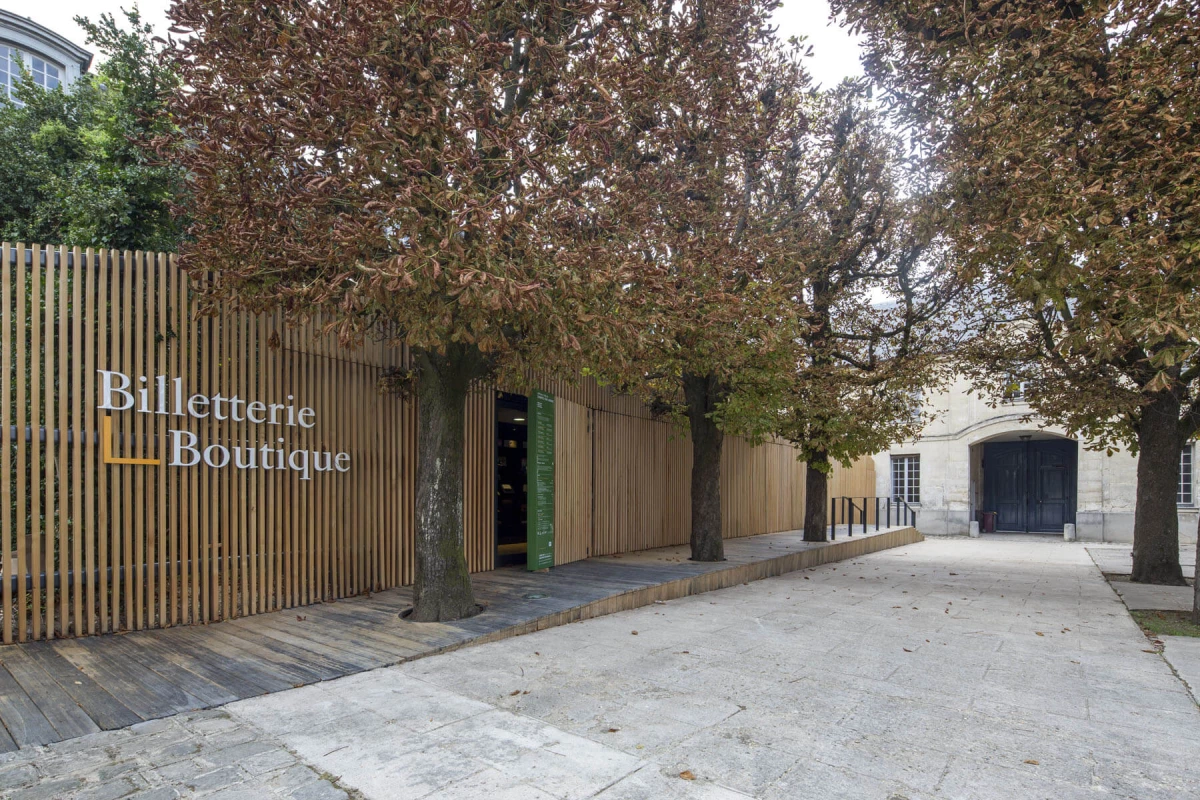
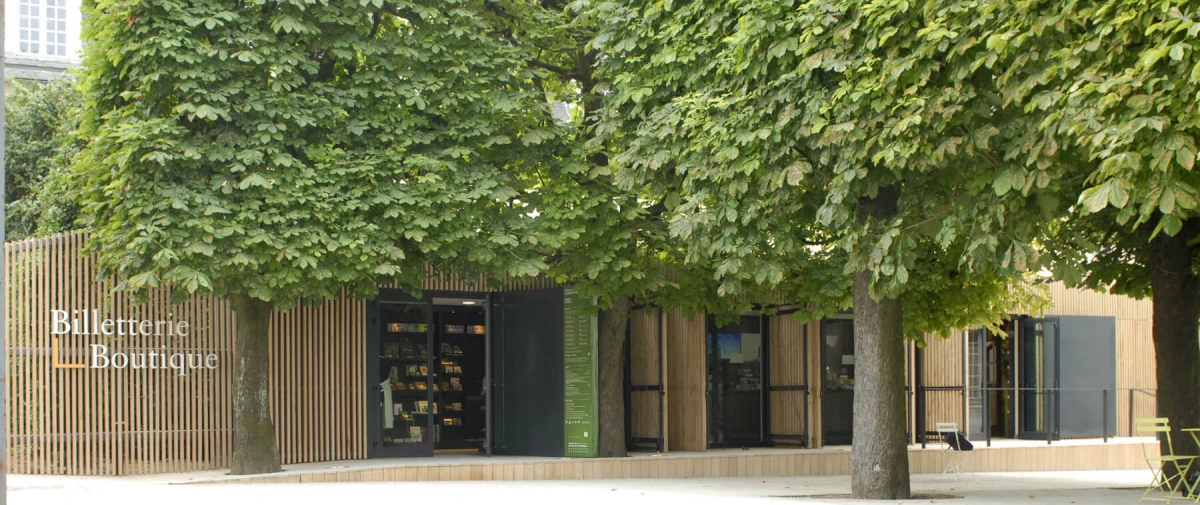
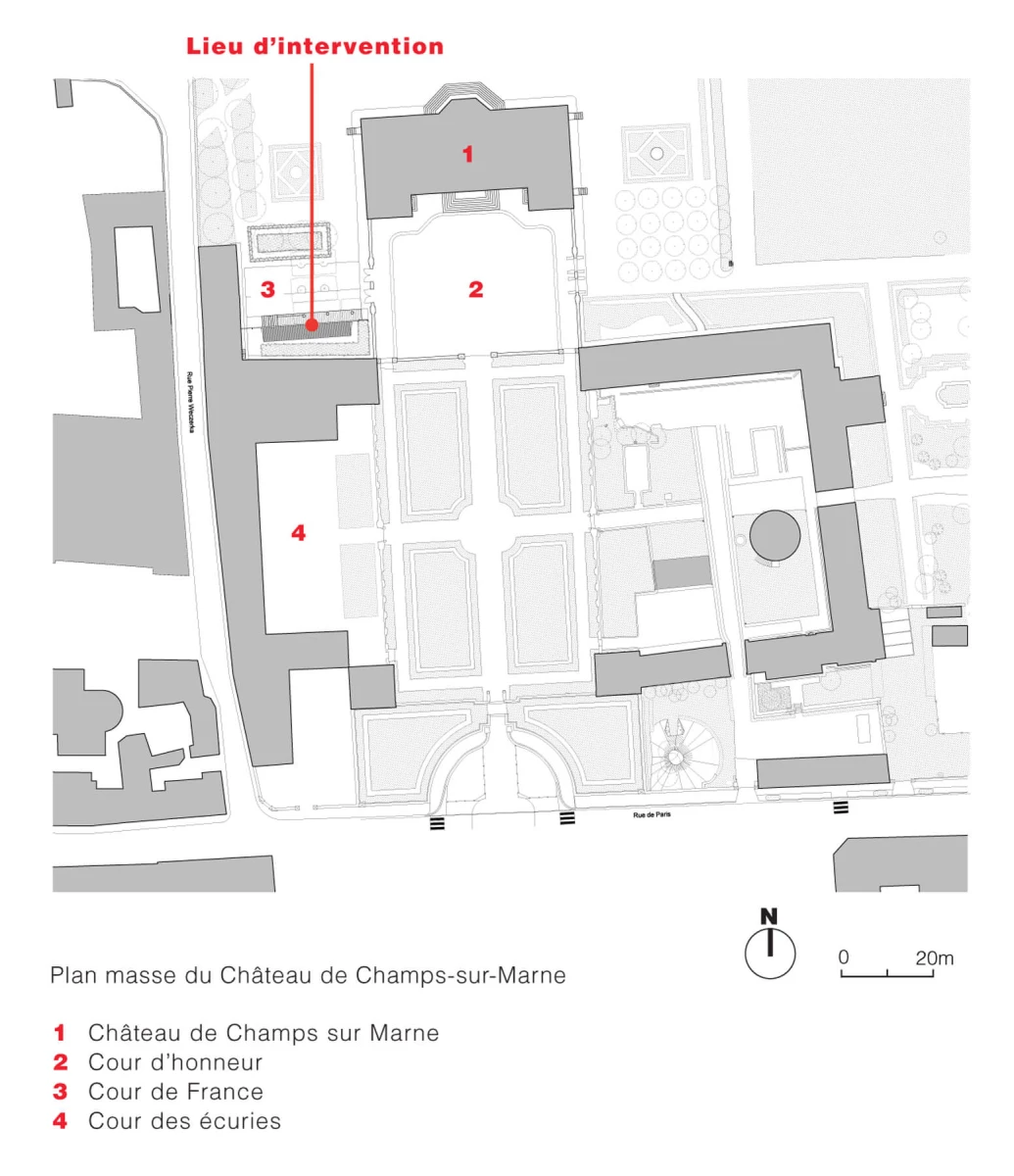
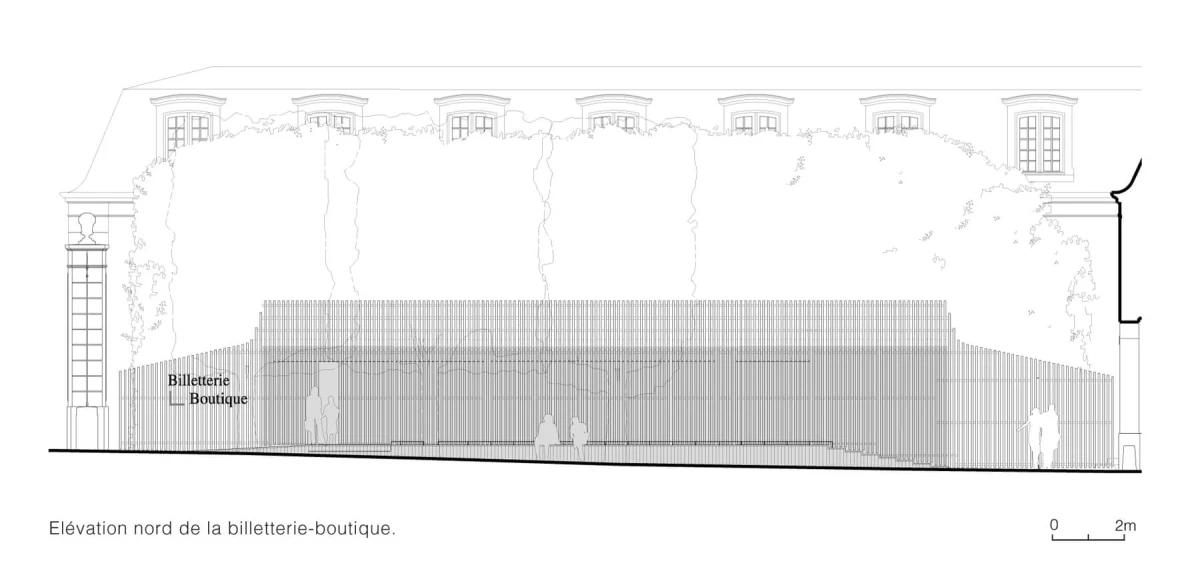
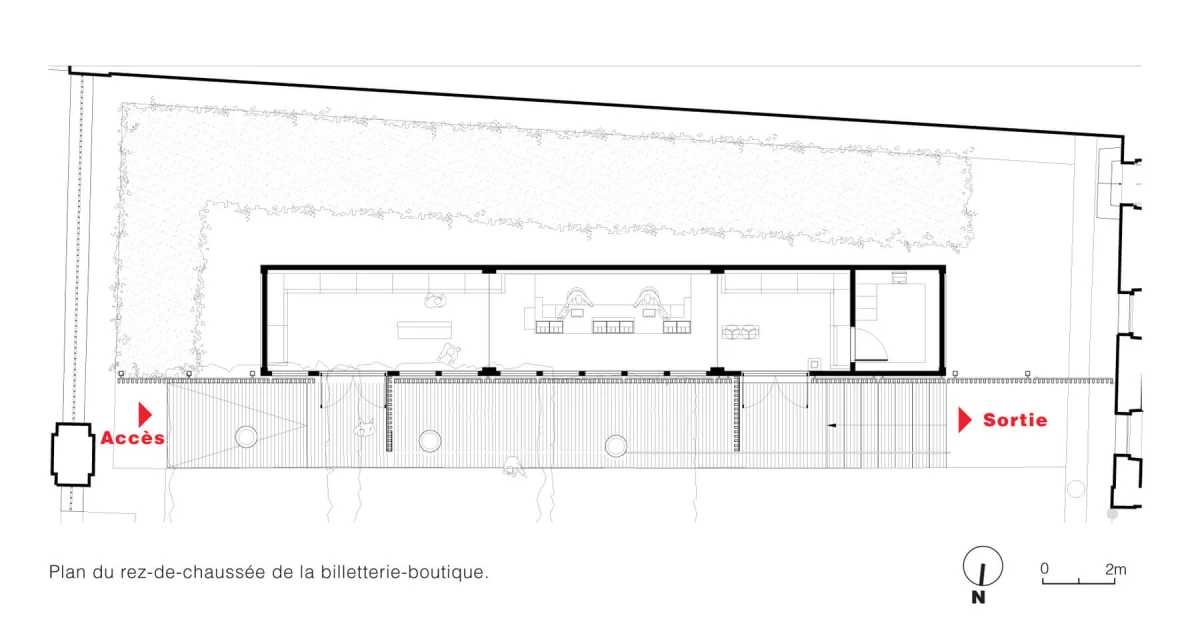
Located in the Cour de France, to the west of the château, the pavilion backs onto the existing service buildings and tucks in behind a row of chestnut trees, adopting a set-back position that preserves the overall reading of the estate. The structure is made of prefabricated modules clad in chestnut slats fixed to a metal frame, while a system of shutters makes it possible to close the façade entirely behind this wooden envelope. A terrace in the same material runs along the full length of the building and incorporates the access routes.
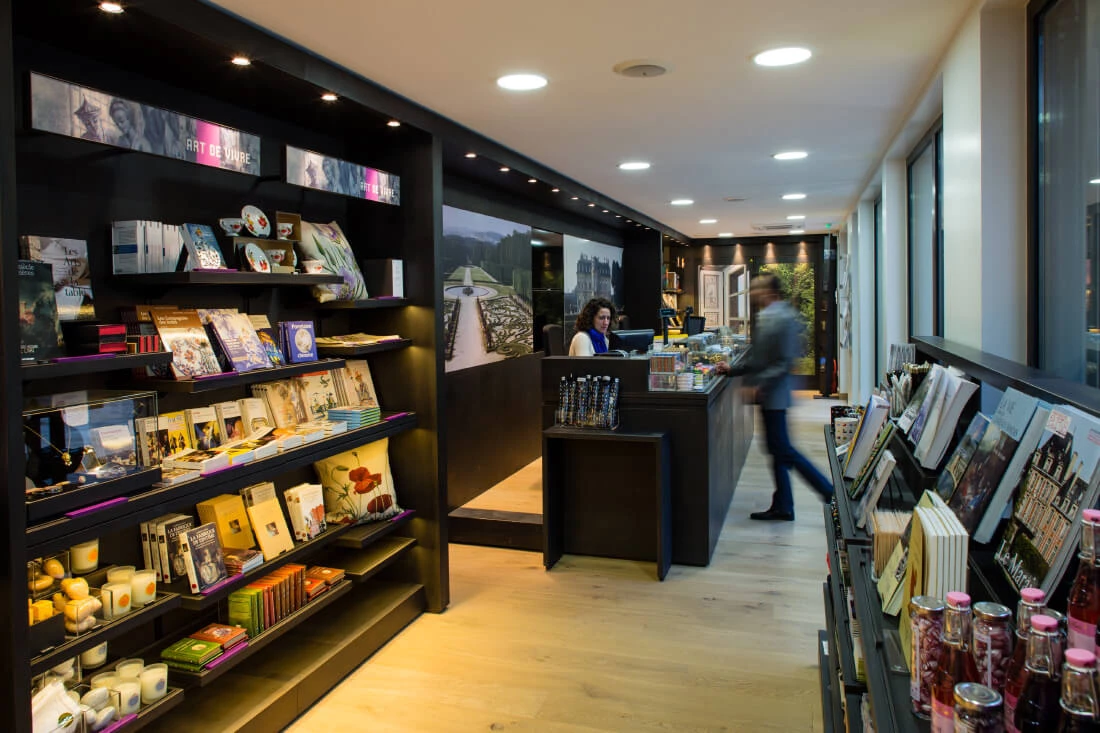
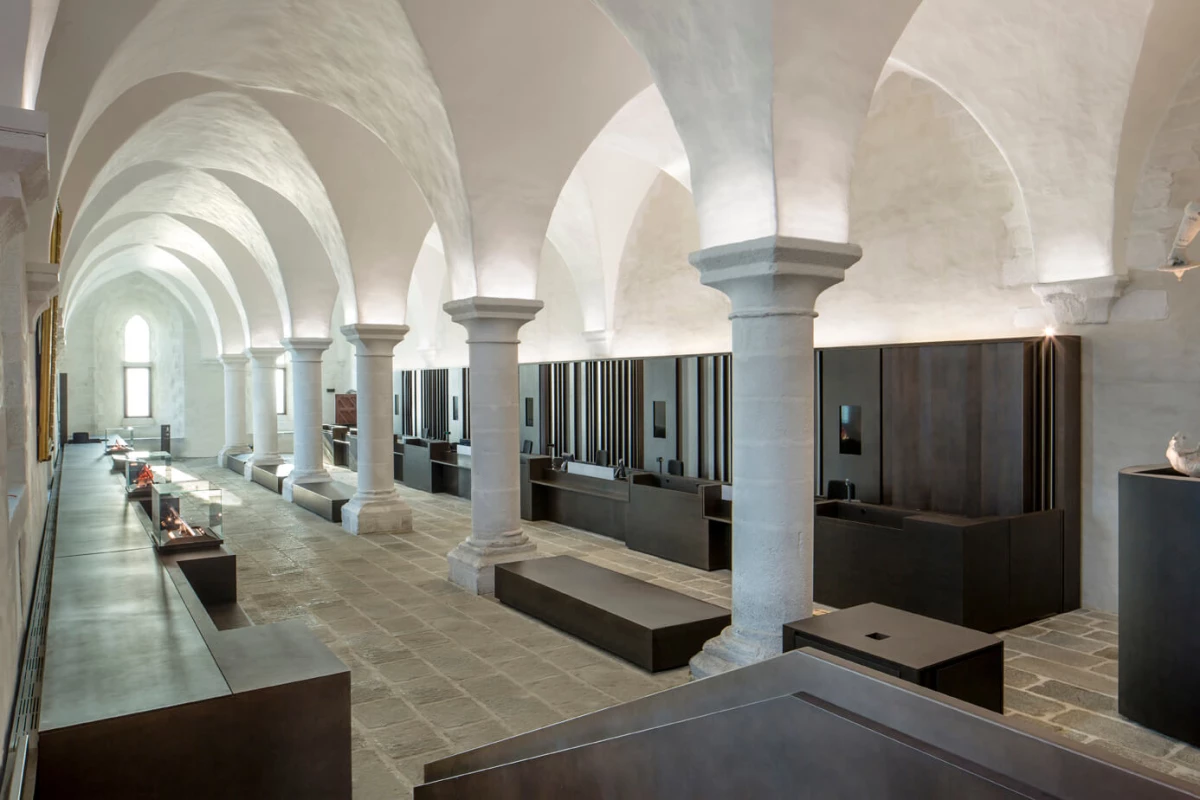
Inside, furniture combining wood and metal with a patinated bronze finish extends a discreet and robust atmosphere. Compliant with the RT 2012 regulation, the facility is designed to be functional, reversible, and respectful of the heritage site in which it stands.
As part of the National Monuments Centre’s national programme dedicated to improving visitor reception areas, the project concerns the construction of a temporary pavilion for the Château de Champs-sur-Marne, which reopened to the public in 2013 after a major restoration campaign. Designed to accompany this reopening, the building brings together the site’s ticket office and bookshop.
Located in the Cour de France, to the west of the château, the pavilion backs onto the existing service buildings and tucks in behind a row of chestnut trees, adopting a set-back position that preserves the overall reading of the estate. The structure is made of prefabricated modules clad in chestnut slats fixed to a metal frame, while a system of shutters makes it possible to close the façade entirely behind this wooden envelope. A terrace in the same material runs along the full length of the building and incorporates the access routes.
Inside, furniture combining wood and metal with a patinated bronze finish extends a discreet and robust atmosphere. Compliant with the RT 2012 regulation, the facility is designed to be functional, reversible, and respectful of the heritage site in which it stands.
Architecture Design Nomade, associates
BET Choulet, fluids
BMF, economist